Ray Gunn: Swanky retro-futurist noir
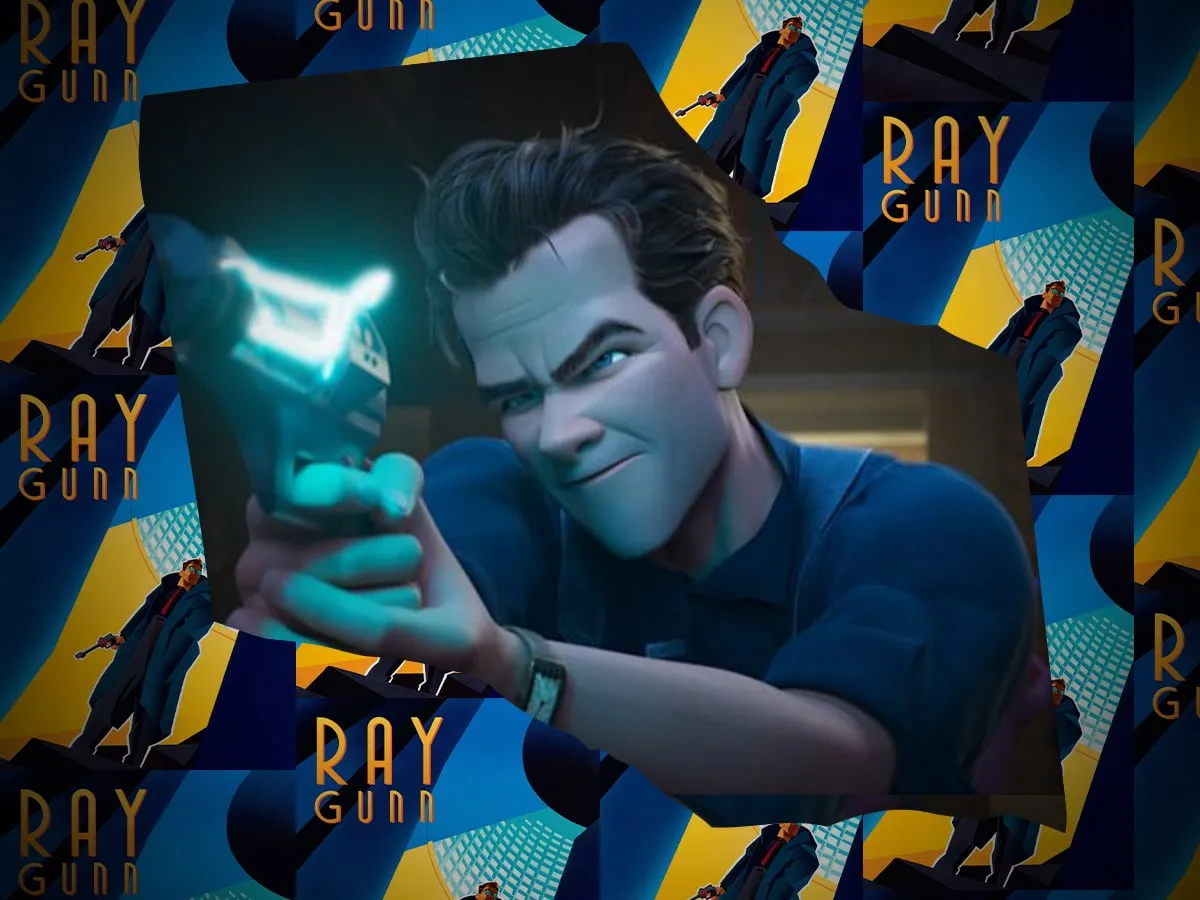
Ray Gunn: Where Neo-Noir Meets the Future
Brad Bird has once again delivered a cinematic masterpiece with Ray Gunn, a film that is as visually stunning and gorgeously realized as one would expect from an animation legend. It is a sophisticated blend of classic storytelling and dizzying science fiction, proving that nostalgia and futuristic vision can coexist beautifully on screen.
At its core, Ray Gunn taps into the familiar, shadowy world of the private eye story, replete with all the trappings of a hard-boiled neo-noir reminiscent of Chinatown and The Maltese Falcon. Yet, Bird manages the admirable feat of embedding these classical narrative roots within a sprawling, futuristic metropolis, establishing a unique visual identity that echoes the mood of Blade Runner and Ghost in the Shell.
Beyond the dazzling cityscapes, the film operates as a subtle but powerful critique. Bird uses the framework of a sprawling techno-city to explore the tensions between mundane futurism and wondrous invention. While the flying cars navigate metropolitan traffic, the narrative is driven by the personal and existential dilemmas faced by its characters.
The story follows the titular protagonist, Ray Gunn, a man navigating a world of aliens and ambition. He finds himself entangled in a classic noir scenario, working alongside his one-eyed extraterrestrial partner, Eye-ra Kadok. Their quest for honor is complicated by the very nature of their environment, forcing them to confront social biases and the elusive nature of true justice.
Ray’s journey takes a sharp turn when he is hired to spy on a celebrated pop star, Venus Nova, only to discover a secret that threatens to unravel her career. As the narrative unfolds, Ray embraces the archetypes of the noir world, interacting with a cast of memorable figures—from shady mob bosses and media managers to tough police captains—all adding layers of familiar, yet expertly refreshed, character dynamics.
What makes the film truly shine is how Bird handles its thematic weight. The artifice of the world is not merely decorative; it serves as a canvas for profound commentary. The film addresses contemporary concerns regarding corporate management, the strip-mining of diversity, and the anxieties surrounding artificial intelligence, reaching a Verhoevenian level of flagrancy regarding the cynical proclamations within power structures.
The emotional core of Ray Gunn rests firmly on the central romance between Ray and Venus. Bird handles this relationship with appropriate tenderness, allowing the animation’s style to air closer to realism in its human characteristics, drawing parallels with Bird’s earlier successes like The Incredibles and Ratatouille.
Through this lens, the film succeeds not just as a nostalgic romp, but as a thoughtful exploration. It is a kinetic experience that demands attention, earning a “hard PG” rating with moments of sensuality and tension. Bird’s confidence in his worldbuilding allows the narrative to be continuously earned, leaving the audience with a compelling, if slightly elusive, vision of a future grappling with its own complexities.
Buy on Amazon
Credit