Ranking the scariest Halloween movies worst to best
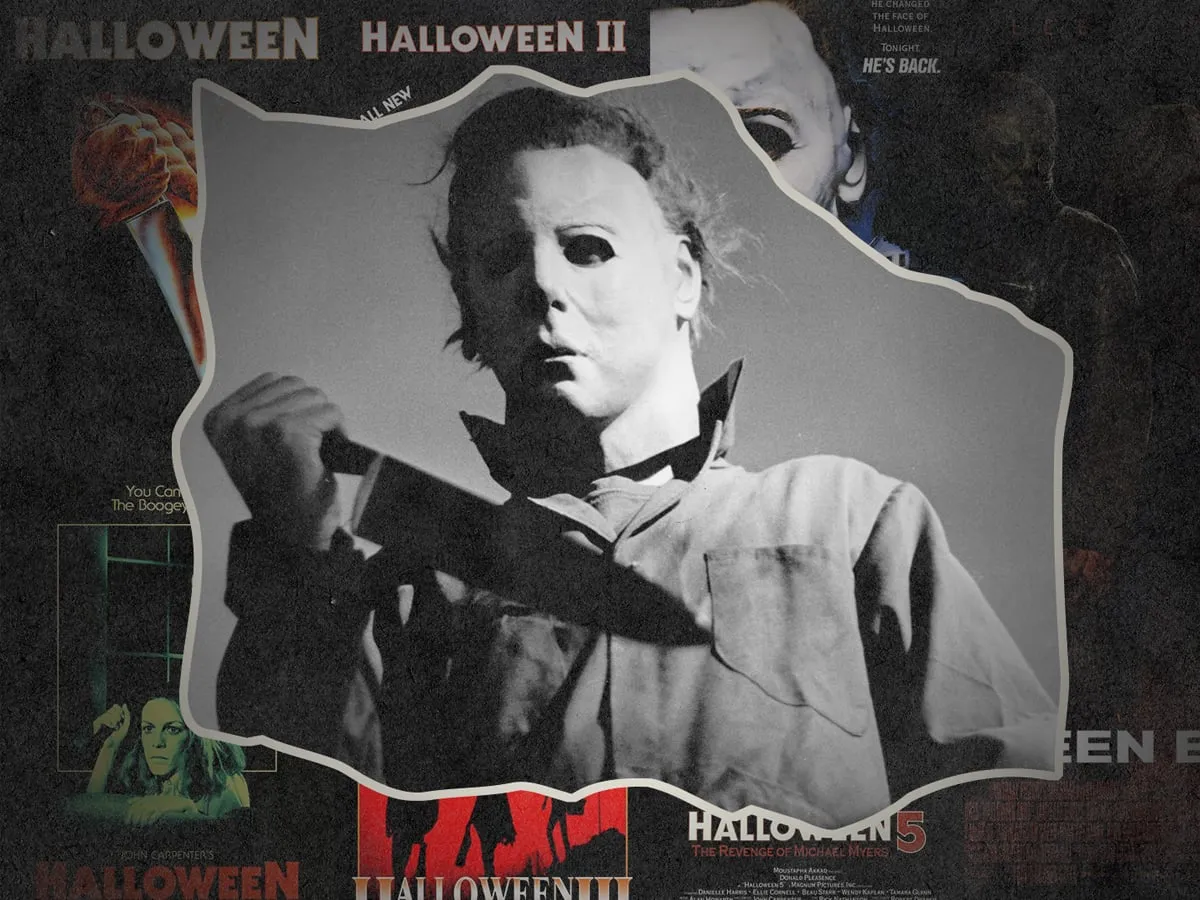
While Halloween wasn’t the first slasher film, it quickly evolved from a double feature of 1970s classics like The Texas Chain Saw Massacre and Black Christmas into the most influential horror franchise of all time. John Carpenter, with his 1978 original, didn’t necessarily revolutionize horror through pure originality, but he crystallized archetypes into their most primal and recognizable forms. Jamie Lee Curtis’s Laurie Strode became the ultimate final girl, and Michael Myers emerged as the perfect embodiment of pure, unyielding evil, untainted by sympathetic backstory.
Halloween was initially conceived not as a sprawling franchise, but as an anthology film set around the holiday of Halloween. However, Hollywood recognized the potent formula and swiftly capitalized on its success. This realization led to a series of sequels and spin-offs, often resulting in confusing continuities that reflect the complex, messy nature of cinematic mythology.
The history of the franchise is filled with creative pivots. The original Halloween II introduced the famous Myers family twist, but the true narrative complication emerged when the franchise attempted to redefine its lore, leading to sequels that focused on Myers’s niece and Tommy Doyle. Attempts to streamline the narrative led to films like Halloween H20: 20 Years Later, which tried to inject high school horror elements, but the results often sacrificed the franchise’s core intensity for pacing.
Some sequels, like Halloween: Resurrection, tried to blend the familiar horror with contemporary, often crude, internet culture and humor. This approach, while aiming for a modern feel, ultimately felt painfully dull, prioritizing nonsensical premises—such as the digital broadcast storyline—over genuine suspense. Even efforts to condense complex stories, like Halloween Kills, struggled to deliver meaningful commentary on mob justice, resulting in excessive gore that undermined any sense of tension.
The franchise also saw attempts at thematic exploration, notably in Halloween III: Season of the Witch, which dared to explore the corruption of commercialism and the evils of childhood advertising, offering a unique, albeit polarizing, take on the holiday.
Later filmmakers have approached the mythology with dramatically different perspectives. Rob Zombie’s 2007 remake of Halloween offered a deeply cynical and abrasive take, using a disturbing backstory for Michael Myers to explore class dynamics and mental health. While the dialogue was often rough, Zombie managed to strip away some of the conventional horror tropes, focusing instead on the primal, psychological heart of the character.
Even the conclusion of the saga, Halloween Ends, proved to be a bold move. Director David Gordon Green’s attempt to explore the generational spread of evil through the Strode family provided a powerful, if sometimes visually inconsistent, conclusion. It successfully addressed the mythologization of tragedy, showing how a community can forget its sins of the past, offering a much-needed reflective ending to the saga.
Ultimately, the original Halloween remains an essential text. Its perfect pacing, chilling atmosphere, and complex portrayal of growing up against the backdrop of pure evil ensure that it stands as one of the most impactful and enduring achievements in the history of horror cinema.
Buy on Amazon
Credit