Queens of the Stone Age show darkness on Perfecth
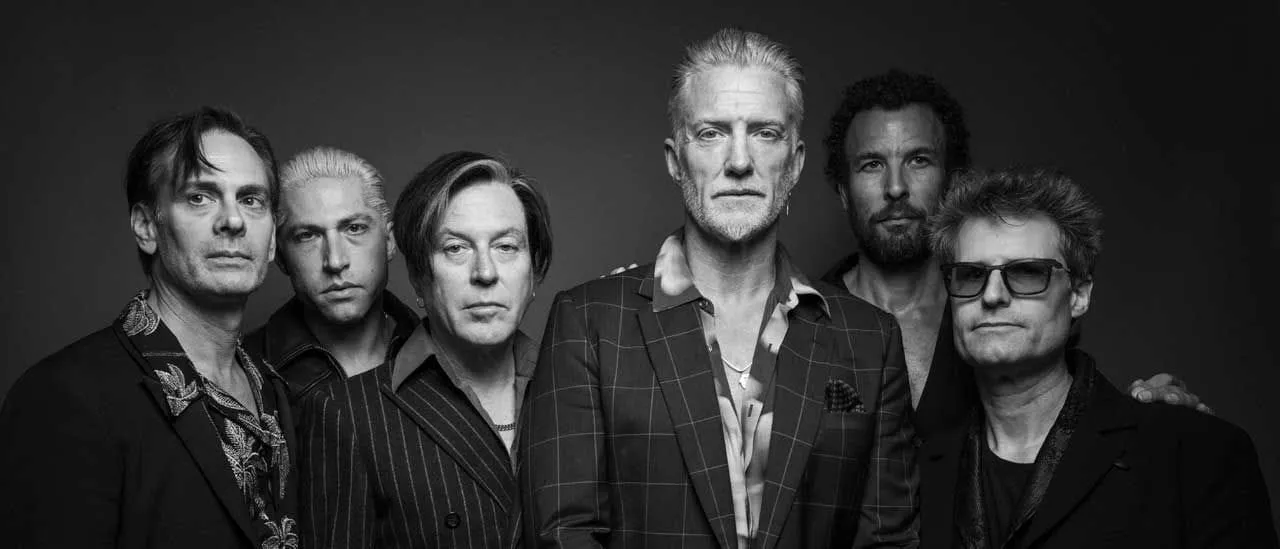
Most desert rock bands would likely sprint out of the crypt after making their music. But when Queens Of The Stone Age descended into the Paris Catacombs to record their latest acoustic live album and shoot Alive In The Catacombs to an audience of skulls, they didn’t just find a recording space—they unearthed something deeply primal within themselves and the silence of the dead.
Instead of rushing back to the surface ready to rock, Josh Homme and his band lingered in the musty air. They didn’t emerge ready to brush bone dust from their sleeves; they emerged with a new sonic vision steeped in arcane tones and mausoleum restraint. This session wasn’t just recording; it was a descent into a bizarre, beautifully morbid headspace that defined their latest work.
The resulting album, Perfecth, manages to balance the bizarre with the beautiful. It’s a sonic journey that takes the raucous energy of desert rock and filters it through a lens of macabre fascination, leaning more toward bewitching than brutal, and darkly theatrical rather than purely metallic.
The album opens with a deceptively simple acoustic interlude on It’s Only Love, perhaps suggesting a sad hobo playing a guitar under a railway bridge. Yet, this simplicity quickly gives way to complex, unsettling imagery. Themes of love are explored as a graceful fatalism, with images of suicide leap and Balkan violin adding a theatrical flair to the sentiment.
Further explorations delve into the occult and the bizarre. On tracks like Insignificant Other, Homme tackles the deceitful bride of the occult, asking questions about psychobabble and birth charts, all delivered with buzzing guitars and otherworldly harmonies. Meanwhile, Where The Goth Girls At? revels in black-lipstick love, backed by guitars that sound like they are strapped into 10-buckle plastic platform boots, with Frankenstein’s monster taking the reins on the drums.
The album also pulls in some more experimental sonic landscapes. Mono is a druggy psych turn-off, drenched in junkyard jazz clatter and strange synth attacks, almost as if a rogue mixing desk AI had taken over the controls. Conversely, tracks like From The Cliff and Easy Street offer a gorgeous, thigh-slapping acoustic pop sensibility, filled with poetic self-reflection that rewards years of deep listening.
Even when the full-throttle desert-rock tumult returns in the final moments of Run Away From The Mob, it feels like a nourishing detour. The work proves that sometimes the deepest, most compelling sounds are found not in the open air, but in the shadows of history, offering a potent blend of high-art darkness and catchy, relatable vulnerability.
Buy on Amazon
Credit