Queen’s illness nearly derailed their greatest album
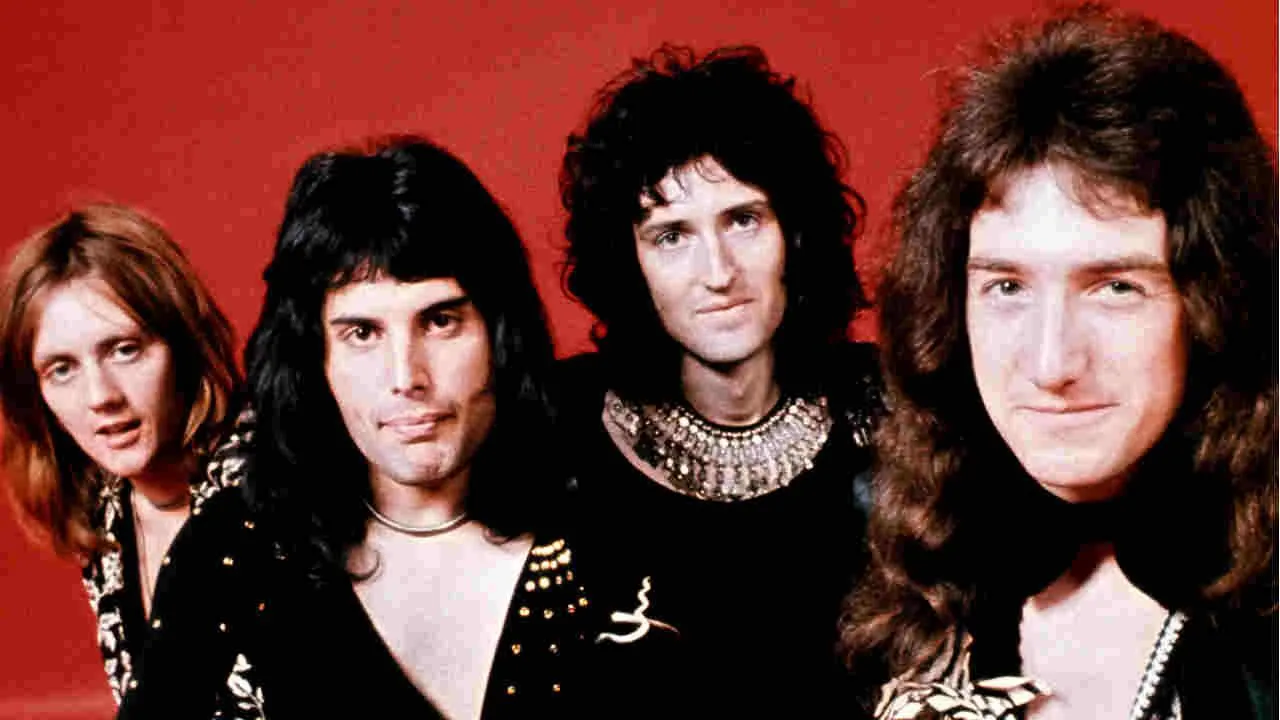
In the bustling South London offices of their PR company, the air in 1974 was thick with ambition, creative friction, and the sheer force of desire. Freddie Mercury, the flamboyant heart of Queen, was entertaining the press, but behind the glamorous façade, the band was undergoing a critical transformation. They were almost ready to release their third album, Sheer Heart Attack, but the path to completion was proving anything but smooth.
The demands of stardom, coupled with the relentless drive of Queen, meant that the pressure was immense. While Mercury shone with a 1,000-watt personality, the team faced physical hurdles. Brian May, the guitarist, was recovering from a virulent bout of hepatitis and a subsequent stomach ulcer, forcing him to retreat to the studio to finish his guitar work. Yet, the band refused to let these medical setbacks derail their ferocious momentum. They treated adversity not as a stopping point, but as fuel.
Their journey through their first two albums, Queen and Queen II, had established them as a unique proposition: a thrilling mix of Zeppelin-esque rock, glam dandyism, and fantastical artistry. This mixture of scorn and admiration only sharpened their collective ambition. They were determined to be bigger, bolder, and better than anyone else in the music world.
The drive for Sheer Heart Attack was fueled by more than just artistic hunger; it was an economic necessity. The band sought to prove their worth and demand a return on their considerable investments in recording and studio costs, pushing for a success that would boost their ever-decreasing finances.
Freddie Mercury famously stated that the group aimed for the top slot, insisting, “We’re not going to be content with anything less.” This hunger manifested in the album, which sought to elevate their sound, bringing both operatic bombast and daintiness into their heavy rock thunder.
The creative process for the album was a masterclass in focused intensity. There was an almost conspiratorial feeling that the group planned everything in advance. As one assistant engineer noted, the separation from other bands was stark: “Nothing was left to chance. That’s what separated them from other bands.”
Despite the external pressures, the internal dynamic of Queen was anything but static. The four members existed in a frequently combustible yet shared vision. While Mercury navigated his own complex identity, his artistry infused the work. Brian May’s convalescence, though frustrating, proved to be a strange catalyst, allowing him to view the group from the outside and find new inspiration, contributing to the album’s eclectic mix.
The album itself was a kaleidoscope of sounds, moving away from the black-and-white approach of their predecessors. Tracks like the outrageous Killer Queen showcased Mercury’s flamboyant imagination, while the guitar work delivered powerful, raw energy, including the rock and roll influence of Stone Cold Crazy, which echoed in the foundation of the thrash metal movement.
Buy on Amazon
Credit