Punk Protest Grunge Angst We got it wrong
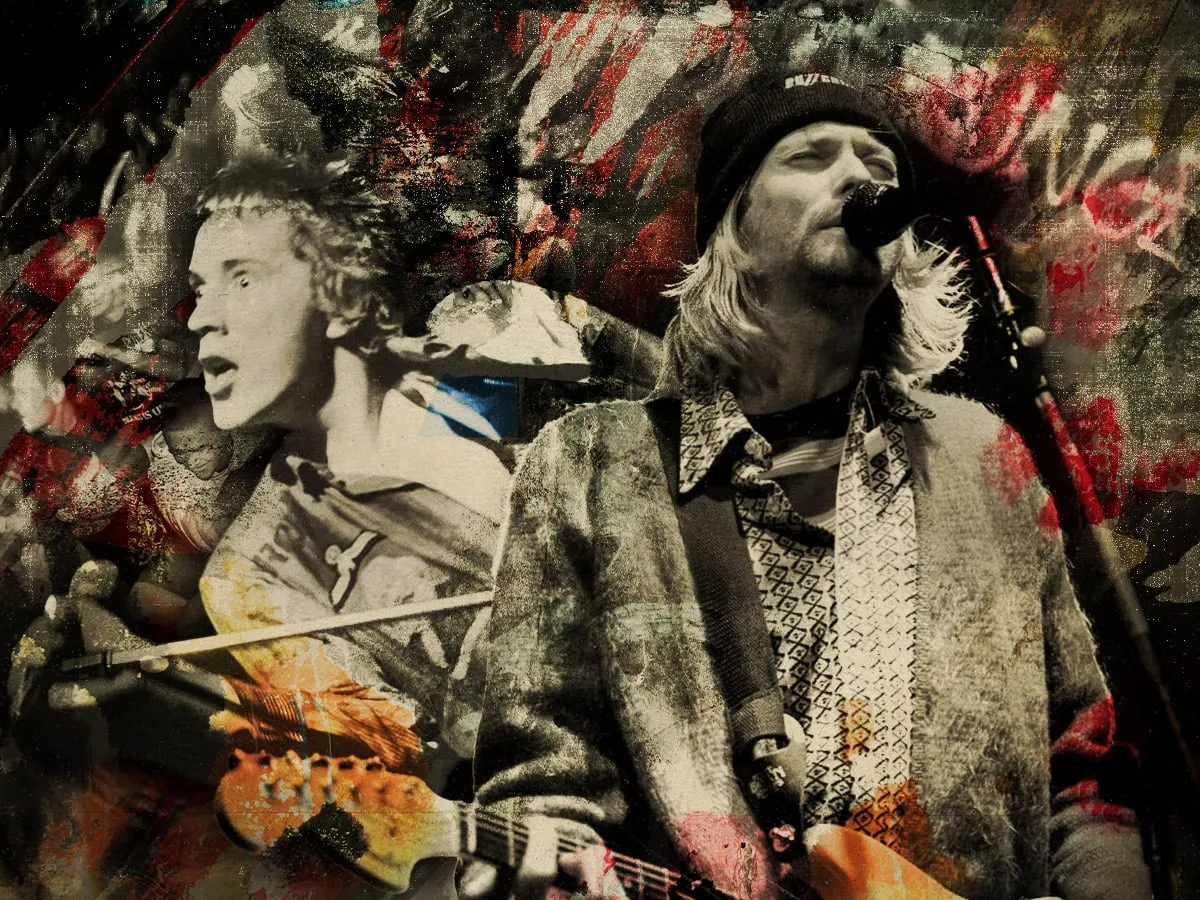
When looking back at the history of rock, it’s easy to categorize the explosive movements of the late 20th century, but the story of punk and grunge is far more complex than a simple tale of rebellion and introspection. At the heart of this complexity lies a debate about what art is supposed to accomplish: protest, or pure expression?
In 2000, the legendary frontman of the Sex Pistols, Johnny Rotten, voiced a pointed critique regarding the so-called punk scene in America. He argued that many of these bands were merely imitating history rather than forging something truly new. Rotten felt that the American interpretation had missed the core mission, suggesting that the focus on glamour and simple nihilism had overshadowed the original, urgent protest against social injustice.
He observed that the stateside scene seemed to connect with David Bowie’s aesthetic rather than the political roots of punk. Rotten felt the movement had devolved into a spectacle of anger and angst, rather than a call to action. He called for the newer generation of punks to look inward and connect their music to their immediate reality, rather than simply echoing external, often superficial, trends.
This perspective highlights a crucial historical difference. The original punk movement of the 1970s was fundamentally rooted in protest—a visceral response against the injustices heaped upon the working classes in Britain. The raw, torn aesthetic and nihilistic messaging were direct calls to arms against established systems.
While the 1970s bands were fighting for change on the streets, the subsequent grunge era of the 1990s—dominated by acts like Nirvana and Pearl Jam—focused more intensely on internal experience. This wave was less about political marches and more about exploring alienation, anxiety, and the deep psychological scars of growing up in a changing world.
Yet, the line between protest and angst is not a rigid division; they are often two sides of the same emotional coin. Many of the grunge artists channeled their frustrations not into shouting political slogans, but into expressing the profound sense of dissatisfaction and anxiety that defines modern life. They dug into themes of environmental destruction, wealth inequality, personal trauma, and mental health struggles, turning personal pain into powerful, relatable art.
Bands like Soundgarden and Pearl Jam tackled weighty subjects—from environmental collapse to social injustice and the very nature of human suffering. While they weren’t necessarily engaging in traditional political protest, their music served as a vital, authentic reflection of the collective anxiety of their generation. This emotional honesty allowed them to tap into a deeper level of shared experience, much like the raw energy of early punk.
Ultimately, the dynamic between protest and angst reveals a powerful truth: art thrives where genuine feeling is expressed. Whether the message is delivered through shouted slogans against authority or through the quiet, aching sound of existential despair, both punk and grunge demonstrated the unstoppable human need to articulate dissatisfaction. They were both vital expressions of the struggle, proving that the raw emotion of the street and the depth of personal suffering can fuel some of the most enduring and meaningful music in history.
Buy on Amazon
Credit