Punk destroyed progrock How Yes won the charts
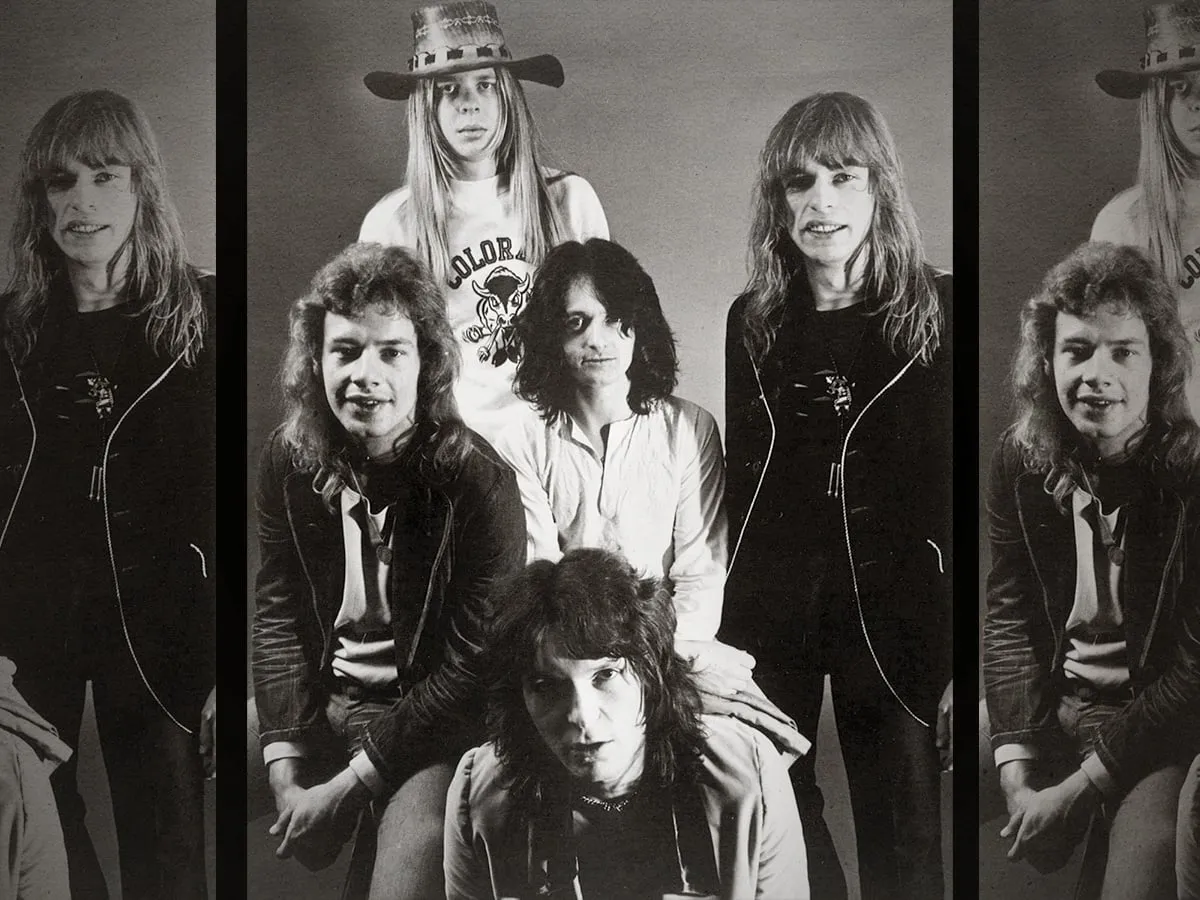
When you look back at the 1970s, it feels like a time defined by glorious, sprawling excess. While the world was grappling with social shifts, the music scene offered a dizzying array of elaborate sonic adventures. Bands like Yes, with their sprawling conceptual narratives and complex compositions, were at the height of this self-indulgent era, providing cosmic compositions and epic jams to a culture that was increasingly weary.
As the counterculture moved toward the streets, fueled by the raw, immediate energy of punk, a seismic shift occurred. The old guard, with their grand orchestrations and lengthy solos, found themselves facing a new wave of sonic minimalism. It was a time when the mainstream was searching for something raw, unfiltered, and immediately arresting, in stark contrast to the intricate, sometimes impenetrable worlds created by prog-rock wizards.
But the clash wasn’t just musical; it was a cultural collision. The cynicism of the era pushed against the lingering grandeur of progressive rock, prompting a revolt that demanded brevity and honesty. The glam glitter had faded, replaced by a desire for authenticity, and this energy manifested in the punk movement, lighting a fire that swept through the music landscape.
Despite this upheaval, the giants of the era—including Yes—proved remarkably resilient. Even as the landscape fragmented, these bands maintained their grip on commercial success. While punk was tearing down old structures, Yes’ LPs continued to chart successfully, demonstrating that complexity and commercial appeal were not mutually exclusive.
During this period of intense cultural flux, Yes navigated the shift with remarkable agility. Instead of retreating, they embraced the energy of the new wave, infusing their sound with a punch that resonated with the zeitgeist. Their work from this period demonstrated a willingness to discard the interminable sprawl in favor of something sharper and more direct.
The transition was evident in their sound. Albums like Going for the One saw the band streamline their approach, finding a balance between their intricate musical heritage and the demands of a rapidly changing musical environment. It was a bold move, trading lengthy odysseys for infectious energy.
This wasn’t just a survival story; it was an example of artistic evolution. While other acts faced challenges, Yes managed to channel the dynamism of the era into their creative output, ensuring their legacy remained vibrant. They showed that even the most ornate musical traditions could adapt and thrive amidst revolution.
Buy on Amazon
Credit