Punk claimed it kicked their ass Keith Richards doubted
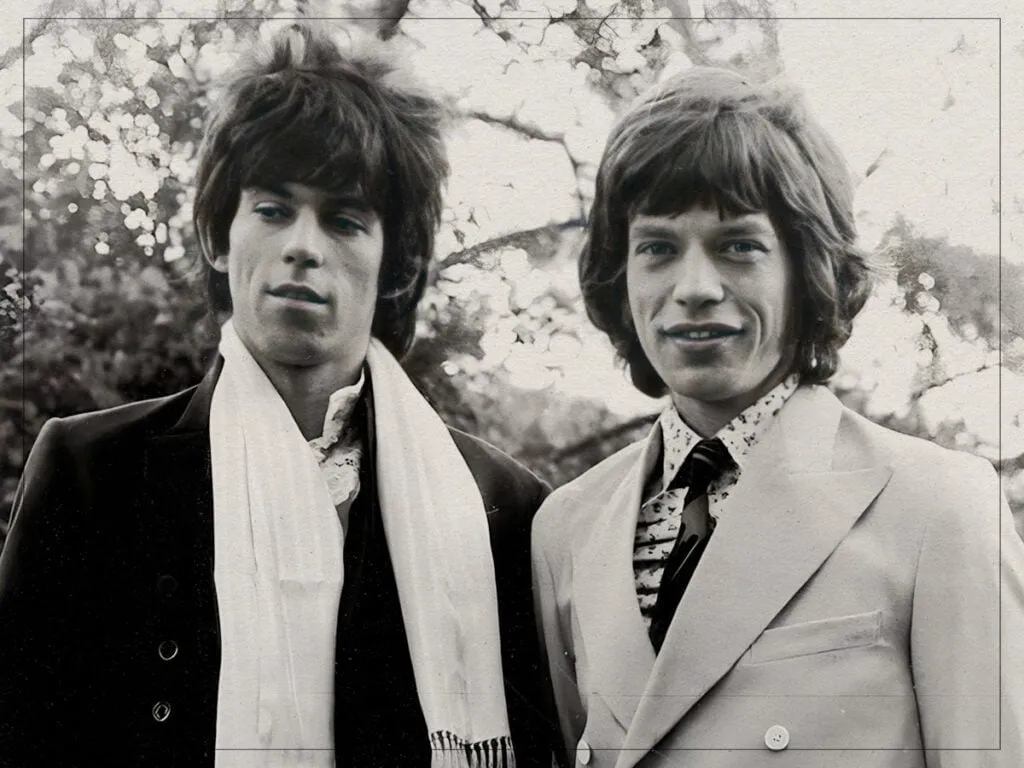
Few acts command the effortless cool of The Rolling Stones. They weren’t necessarily planning to become the longest-running rock and roll band the world has ever seen, but what defined their greatness was an unbeatable swagger—the way Mick Jagger danced across the stage or Keith Richards launched into an iconic riff. It was an art built on instinct, chasing that perfect, undeniable groove.
The journey to stardom wasn’t about hiding inspiration; it was about finding a way to evolve. Initially, their first handful of classics were a case of playing catch-up with the pioneers of the music world. The Beatles had demonstrated that there was so much more to music than simple R&B-flavored tunes. The Stones needed to find their unique voice, and in doing so, they successfully differentiated themselves.
They found their sweet spot when they delved back into the blues, the foundational roots of their sound. Albums like Beggars Banquet and Exile on Main St marked a crucial turning point. These records showcased an ideal blend of rock, blues, and country music that resonated deeply with the band, establishing them as masters of their own unique blend.
This quest for musical identity involved constant navigation of changing trends. Mick Jagger, for instance, was keen on staying ahead of the curve, even attempting moves like the disco hit on ‘Miss You’. Yet, even as they embraced new sounds, the band maintained a core focus. They had competition, certainly, but they were always setting a standard.
When the late 1970s brought the raw energy of the punk scene, the Stones observed the movement with a mixture of fascination and a critical eye. While punk bands lacked some musical finesse, they possessed an undeniable attitude. Keith Richards acknowledged this, noting that while the music itself could be lacking, the energy was potent. He captured the spirit perfectly, observing that the punk movement delivered a necessary wake-up call.
The Stones seemed to thrive on that raw energy. They were always looking for a visceral edge, seeking material that could truly match the intensity of the club scene. Whether it was developing faster, more aggressive material or simply injecting undeniable attitude into their performances, the band understood that true rock and roll thrives on swagger and an assertive presence.
Buy on Amazon
Credit