Primal Scream hang meat on musical bones in The Bunker Trilogy
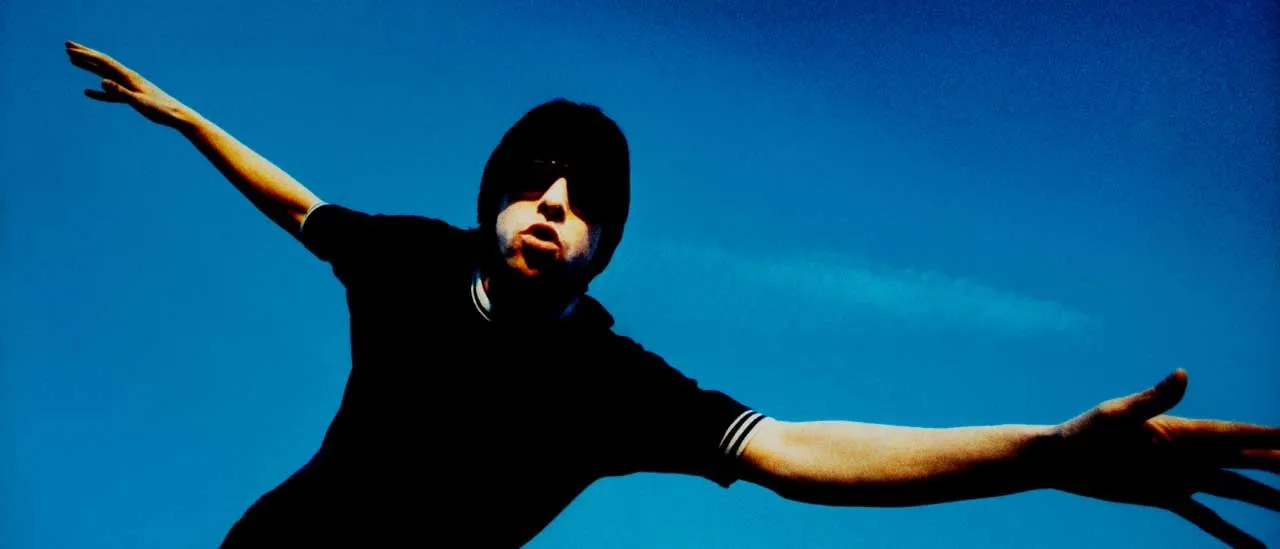
Primal Scream’s musical journey is less a straight line and more a series of sonic explosions, best encapsulated in what critics often call the Bunker Trilogy. Born from the volatile energy of their London studio, this collection of albums doesn’t just mark a period; it solidifies a band unwilling to stand still, constantly mutating without ever abandoning their core instinct for confrontation.
While the band is forever linked to the hedonism of Screamadelica, the Bunker Trilogy truly flexed their muscles. The journey begins with Vanishing Point (1997), an album that acted less like a recalibration and more like a powerful reaffirmation of where the band’s true values lay. Emerging from the crucible of punk, this record embraced dance and the bottom end, injecting funk and dub dynamics into their sound alongside an essential nod to rock’n’roll. The addition of former Stone Roses bassist Mani to the lineup further fueled this evolution, resulting in uncompromising tracks like the driving Kowalski, which became a massive single.
The trilogy then spirals into increasingly aggressive territory. Their 2000 release, XTRMTR, stands out as the most politically charged and sonically aggressive entry. Featuring juddering electronics and industrial abrasion, it served as a visceral anticipation of the fractured century ahead. Tracks like Swastika Eyes and the relentless white noise of Shoot Speed Kill Light paint a picture of a machine operating at breaking point, reflecting the band’s raw, uncompromising vision.
Following this sonic intensity, Evil Heat (2002) showcased a different facet of their power. Though perhaps lacking the immediate momentum of its predecessor, it was no less impactful. Here, righteous anger was channeled through deeper electronic grooves, allowing the band to achieve a more streamlined, formidable experience. Moments of beauty still surface, such as the krautrock-referencing Autobahn 66, demonstrating their capacity for nuanced musicality.
Even within this journey of sonic extremity, the band managed to tighten and refine classic influences. They reworked rocker City from David Holmes’s Bow Down To The Exit Sign, adding new tension to the original, while Robert Plant contributed spirited harmonica to The Lord Is My Shotgun. This fusion of raw fury and refined craft defined the trilogy.
Ultimately, the Bunker Trilogy is a masterclass in dangerous invention. These three albums reveal a band that constantly pushed boundaries, demonstrating an exhilarating sense of possibility and a potent, undeniable sense of danger that remains central to their legacy.
Buy on Amazon
Credit