Phoenix rejects his career-launching 1995 performance
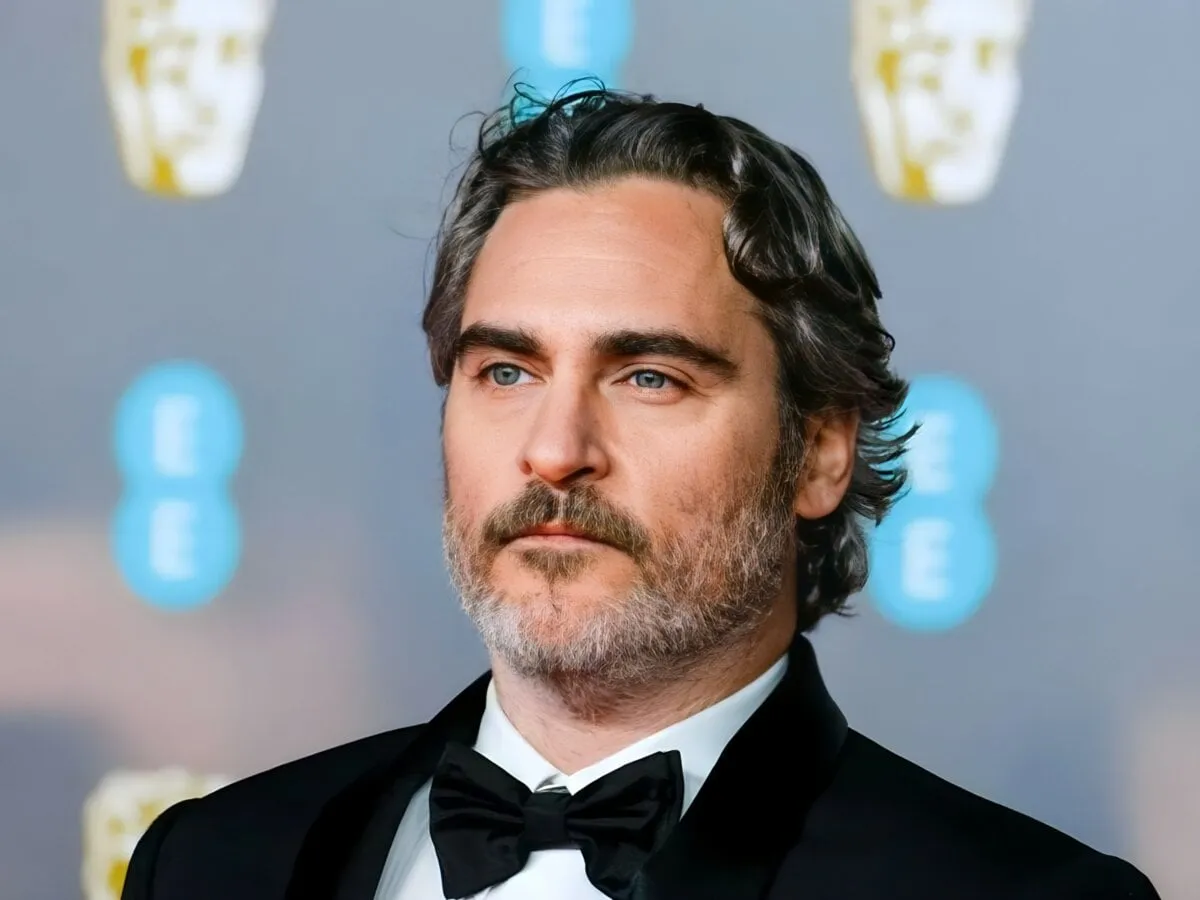
There is a strange, almost magnetic tension that surrounds the incredible talent of Joaquin Phoenix. As an actor who commands the screen with startling intensity, he often projects an aura of deep anxiety—a desire to melt into the shadows rather than confront the spotlight. Yet, it is this very internal struggle, this restless energy, that ultimately fuels his unforgettable performances.
His journey to stardom is a complex tapestry, woven with personal loss and professional breakthroughs. While his talent was blossoming, his brother, River Phoenix, faced a tragic loss, casting a somber shadow over the burgeoning fame of the Phoenix brothers.
Despite these personal currents, Phoenix’s professional career began to accelerate, taking flight with roles in films like SpaceCamp and Parenthood. When he returned to Hollywood, he didn’t just rise; he seemed to emerge, truly a phoenix reborn from the ashes of his past.
The turning point, the moment that solidified his unique place in cinema, arrived in 1995 with his casting in To Die For. At just twenty-one, he stepped into the role of Jimmy Emmett, a teenager entangled in a web of lust, obsession, and murder.
Directed by Gus Van Sant, the film brought together an ensemble cast, including Nicole Kidman, Matt Dillon, and Casey Affleck, all centered around Phoenix’s performance. In the role of Emmett, Phoenix embodied a raw, agonizing intensity. He played a character whose desires were so potent, so reckless, that his actions carried a foolish, desperate energy that would ultimately define his trajectory.
The performance was a masterpiece of emotional exposure. Phoenix carried the weight of the character’s confusion and intense longing with a raw, pained face, making the underlying emotions painfully visible. Even as the film received critical acclaim, the actor found himself wrestling with the experience, acknowledging the mistakes and uncertainties inherent in the role.
Years later, in a reflective interview, Phoenix captured the uncomfortable humility that has accompanied his career’s evolution. He admitted that he couldn’t objectively sit back and enjoy the experience, admitting, “I just make so many mistakes. There’s so many things I should have done that I didn’t do.”
This wrestling match with uncertainty has become the engine of his acting. It is this internal restlessness that allows Phoenix to become the ultimate chameleon—an actor capable of dissolving into myriad roles, whether he is portraying the suave Johnny Cash or the terrifying complexity of the Joker. The profound, unsettling experience of To Die For did more than launch a career; it forged an understanding of the self that continues to make Joaquin Phoenix one of the most fascinating and unique actors in the business.
Buy on Amazon
Credit
