Phil Collins’ help and the shocking call You ain’t coming
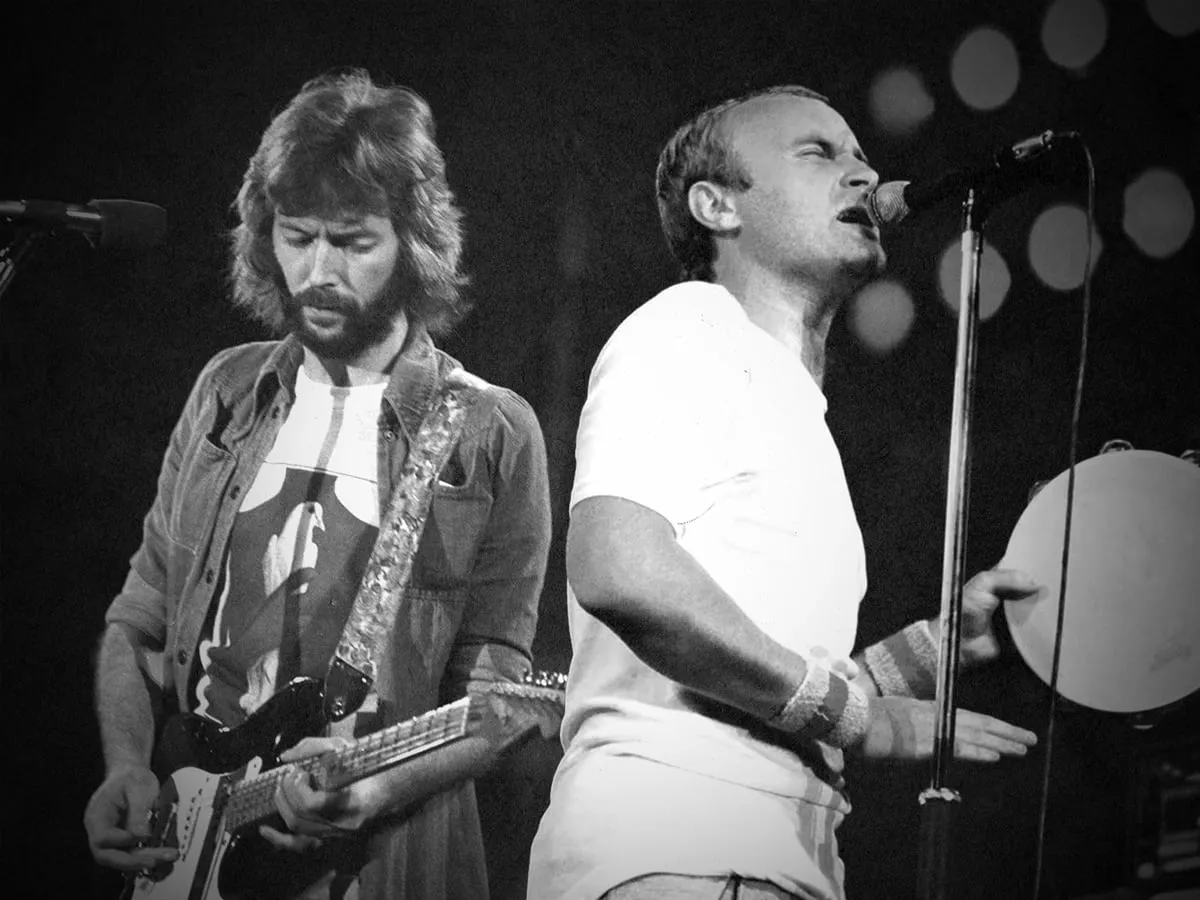
Few musicians ever achieve the rare feat of being revered as a foundational genius while simultaneously facing the relentless, often contradictory, demands of the music industry. Phil Collins is one such figure, a drummer whose legacy is cemented by a single, unforgettable fill in In the Air Tonight.
Despite the monumental success he achieved in the 1980s, and his status as a darling of adult contemporary music, the path was not always smooth. As his commercial dominance grew, the public reaction often shifted from adoration to frustration. This period saw Collins become a lightning rod for controversy, facing significant backlash in the 1990s as the music landscape changed, leading some to question the consequences of his commercial success.
Yet, the true brilliance of Collins lay in his innate understanding of songwriting and rhythm. Drawing from a rich background spanning The Beatles and Motown, he possessed an ability to channel his personal emotional core into music without compromise. While the world often fixated on his polished hits, his impact was equally profound in the studio; he was an exceptionally exciting drummer, a force behind the kit on early Genesis records that commanded respect regardless of prevailing trends.
This mastery of rhythm naturally led him toward production. Collins discovered a unique magic in finding the right creative partnership. His work with artists like the members of ABBA showcased an ability to smoothly transition between genres, demonstrating how his sound could mold itself to diverse musical demands, seamlessly moving from pop to soul.
This collaborative spirit extended into more emotionally resonant projects. When working with artists like Frida, Collins found a connection that went beyond mere sonic arrangement. Shared experiences, such as recognizing mutual pain, led to deeply impactful collaborations, such as the creation of Something’s Going On, where the pounding drums perfectly mirrored the emotional suspense of the track.
The tension between artistic vision and commercial necessity became particularly acute when Collins engaged in high-stakes collaborations, such as his involvement with Eric Clapton. While his reputation had often been fiery—some viewing his studio presence as intense—he sought to apply his skills to create something meaningful. However, the dynamics of the industry often proved challenging.
The story of the potential collaboration with Clapton illustrates this friction. Even when Collins sought to contribute his signature sound to projects like Behind the Sun, the pressure of commercial targets meant that the focus often shifted away from artistic freedom. The subsequent decision by the record company to bring in additional producers highlighted how quickly artistic control can be superseded by commercial strategy.
Ultimately, Collins navigated these professional storms with a commendable resilience. Even when faced with the industry’s pursuit of singles and commercial viability, he demonstrated an ability to pivot and find new energy. His journey showcases not just a talent for drumming, but a keen awareness of how sound shapes emotion and how artists must balance their unique voice with the expectations of the wider world.
Buy on Amazon
Credit