Paul McCartney’s great song his teacher wasn’t impressed
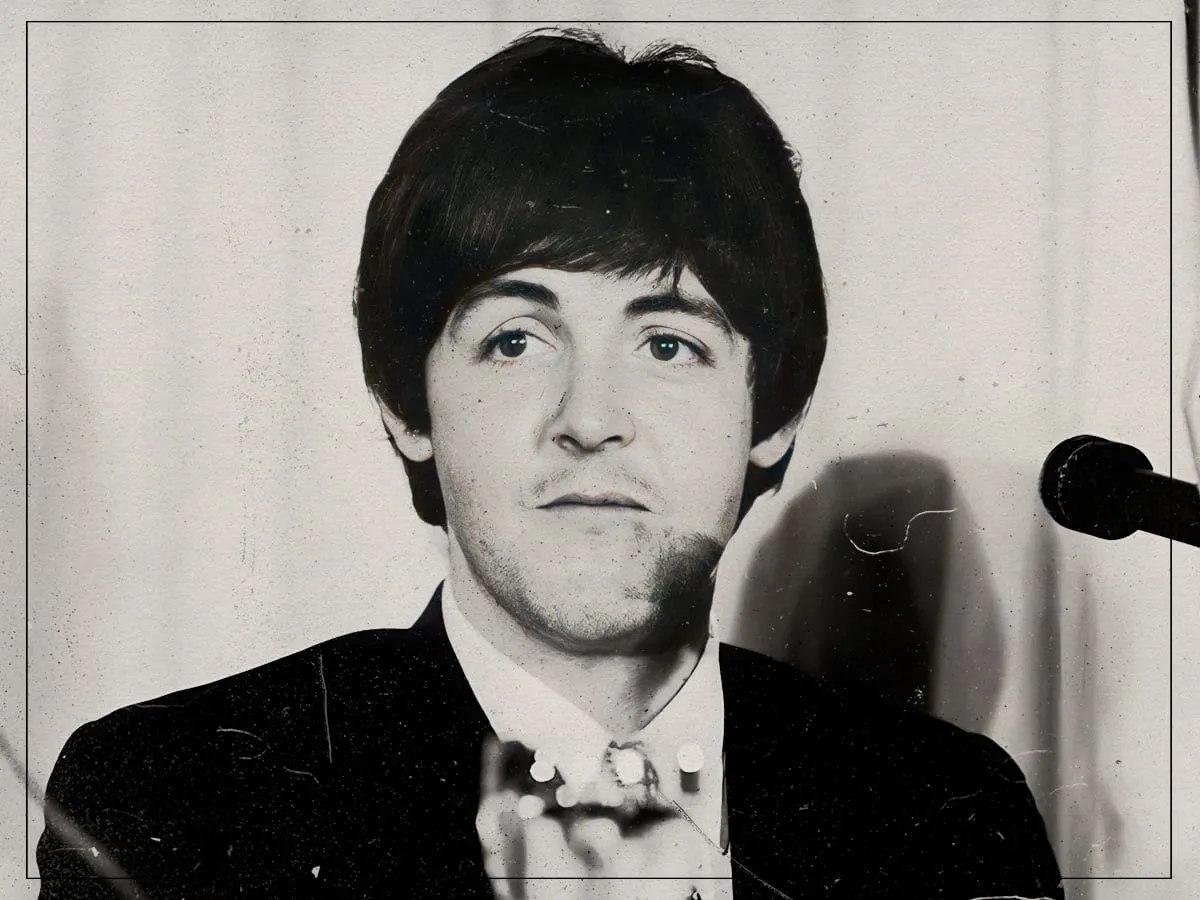
There are few musical talents as naturally enchanting as Paul McCartney’s. When he steps up to the microphone, the gift he brings to the world is pure, unadulterated magic.
His genius, however, often resided not in the technicalities of music theory, but in the raw, immediate landscape of his mind. Whether he was screaming through the energy of Helter Skelter or simply wandering through the streets of Liverpool while singing Penny Lane, the melody always seemed to spring directly from his heart.
This intuitive approach meant that the traditional route of learning—studying scales and formal sheet music—felt like an unnecessary chore. McCartney preferred to follow his ear, finding that working music felt less like studying and more like pure, joyful expression. Despite being a notorious workaholic, he found that when he played the guitar, he wasn’t working music; he was simply having too much fun with it.
His greatest hits often emerged from this spontaneous joy and a healthy dose of rock and roll swagger. Yet, even those classic tunes occasionally hinted at a deeper sophistication, pushing the boundaries of what rock and roll could achieve.
The world often viewed him as an innovator in the pop sphere, but the classical world—and those who handled the musical translations—often introduced a different perspective. When orchestras were brought in to give his songs that extra push, figures like George Martin acted as musical translators, refining the raw energy into something truly cinematic.
This dynamic often led to friction. McCartney, already surrounded by accomplished musicians, found himself wrestling with the formal expectations placed upon him. He remembered the resistance he faced when attempting to translate his visions into structured arrangements, especially when attempting ambitious pieces like Eleanor Rigby.
One recollection highlights this beautifully. When McCartney played the initial chords, the reaction was not immediate admiration, but a demand for more practice. He recalled tutors suggesting he needed to play more scales, insisting that mastery required linear, rigid instruction. He felt that the magic of a melody—the song in his heart—could not be contained by the rigid lines of a musical book.
Ultimately, McCartney’s journey demonstrates a profound truth about creativity: the most breathtaking works emerge not from strict adherence to a curriculum, but from an unshakeable inner vision. While formal training has its place, it is ultimately the willingness to play what resides in your soul, and to share that song with everyone, that truly defines a musical genius.
Buy on Amazon
Credit
