Patrick Stewart and Sting shared a screen in 1984
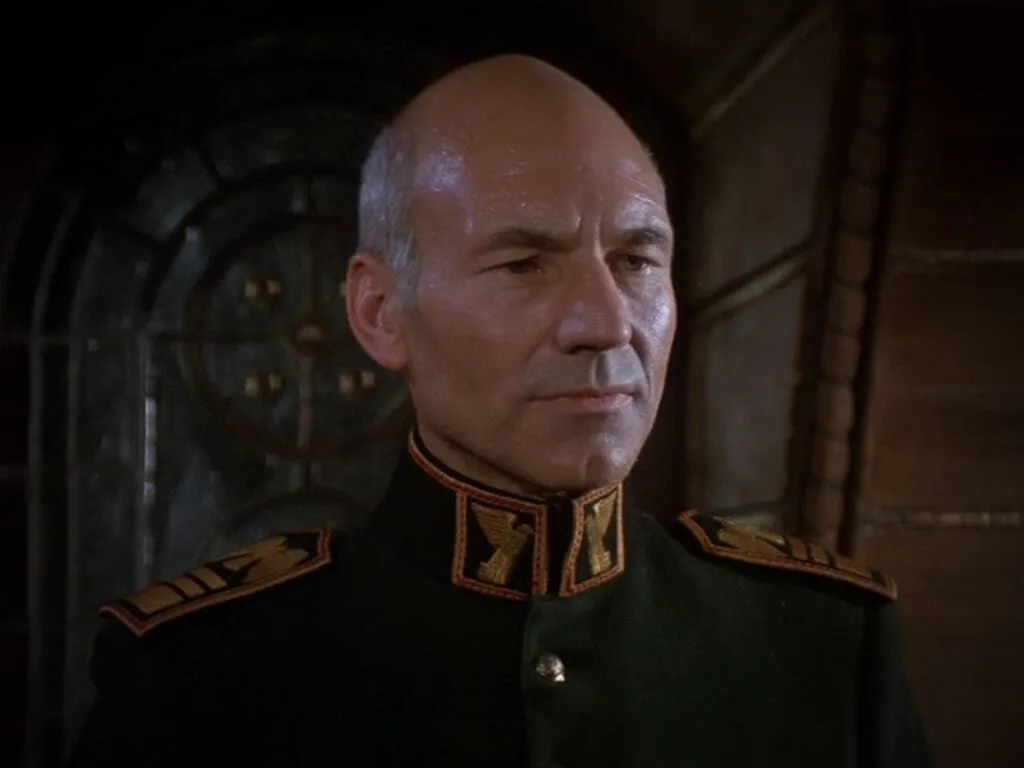
The cinematic world is currently buzzing around the latest Dune adaptation from director Denis Villeneuve, yet the public’s fascination often leads them back to the shadow of its predecessors. Among those revisited is the seminal 1984 film by David Lynch, a work often labeled a “beautiful disaster” that has firmly cemented its place in the cult classic canon. This interpretation, though occasionally polarizing, remains a deeply interesting journey through the sands of Arrakis, championed by the master of cinematic surrealism.
While David Lynch has distanced himself from the film, its enduring legacy has allowed it to evolve into a beloved piece of cinematic history. Reflecting on the project, Lynch admitted that the experience of creating it led him to realize the structure he loved, even as he acknowledged selling out on the pursuit. He suggested that while he might not have wanted to undertake the adaptation, he saw the framework for the stories he adored.
The original production featured an extraordinary ensemble cast, including stars like Kyle MacLachlan, Patrick Stewart, and the legendary musician Sting. What makes this history particularly rich is the unexpected intersections that formed on set, revealing a charming story of celebrity and discovery.
One of the most memorable anecdotes involves Patrick Stewart and Sting. Stewart had no prior knowledge of the musician, and in a moment that speaks to the unexpected nature of collaboration, he was entirely unaware of Sting’s identity. Stewart recounts that he initiated a conversation about music, leading to a delightful exchange about the instrument Sting played. The conversation traced back to the humble origins of the bass guitar, culminating in the revelation that Sting was, in fact, a member of the band The Police.
This kind of organic interaction highlights how art often transcends its initial boundaries. Sting, who had carved out a formidable screen identity in films like Quadrophenia and Brimstone and Treacle, found a unique outlet in playing Feyd-Rautha, the Harkonnen heir, bringing a commanding presence to the role of the adversary. The casting, though perhaps surprising to some, worked perfectly within Lynch’s world of beautiful surfaces concealing unpleasant realities.
For many of the participants, the decision to join the project was driven by a singular devotion to the director. Sting himself explained that his involvement was rooted in admiration for David Lynch, stating that he had taken on the role because of the director and for no other reason. He admitted a reluctance to be in such an enormous cinematic undertaking, preferring instead to let his musical career build momentum independently.
Ultimately, the legacy of the 1984 film and its cast members offers a fascinating glimpse into how high art, celebrity, and personal connection can intertwine, creating moments that are as memorable as the epic stories they tell.
Buy on Amazon
Credit