One lie changed The Police Roxanne fate
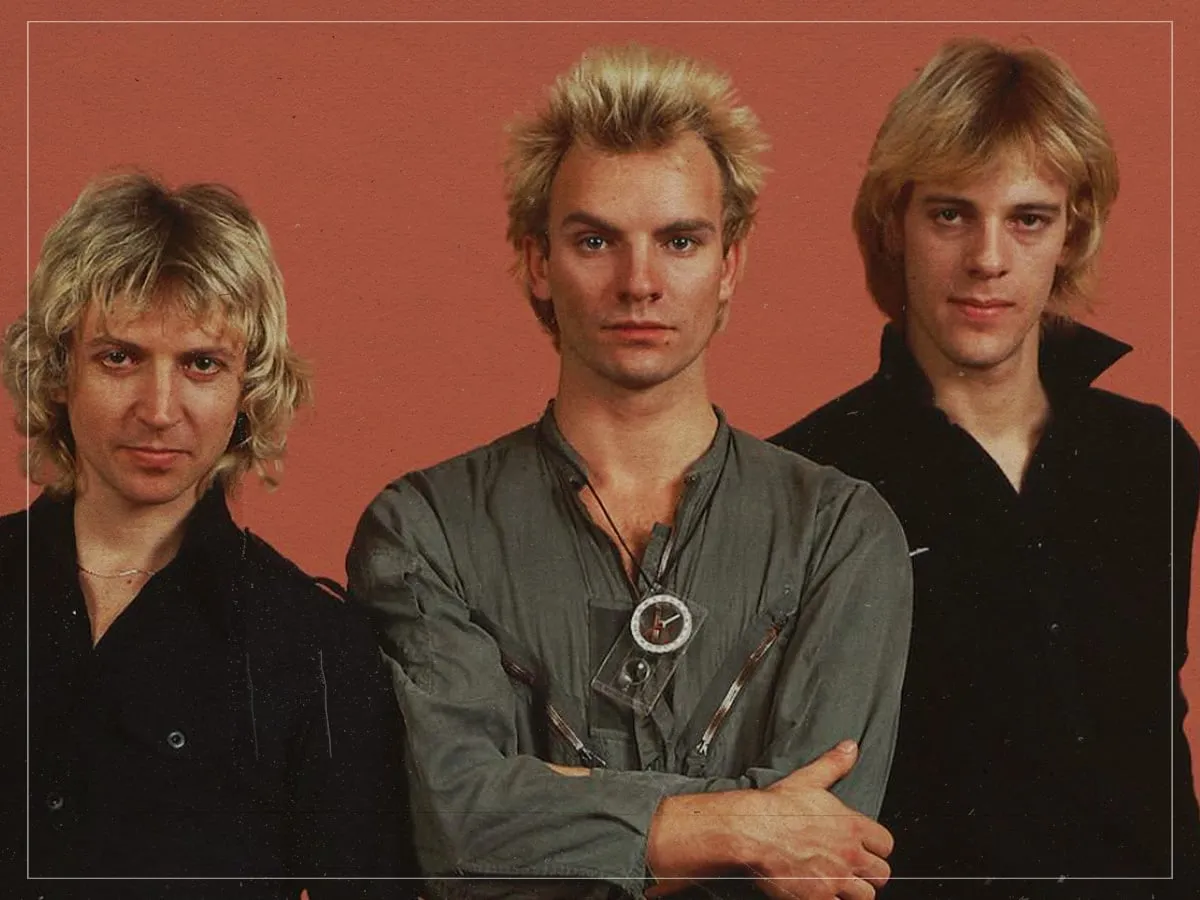
Nothing is more magnetic to the youth than something that has been officially forbidden. The very act of banning art, it turns out, can offer a powerful stamp of approval, lending transgressive status to songs and artists alike.
In 1978, the band The Police”>The Police were riding the crest of the punk revolution, determined to convince the world they were part of a seismic cultural shift. To gain traction, they decided to engage in a cunning commercial controversy, finding a loophole in the system.
The strategy was simple, and deliciously ironic. When their track Roxanne”>Roxanne failed to secure airplay on BBC Radio One, the band didn’t pout. Instead, they seized the opportunity. Rather than simply accepting the limited exposure, they pretended the song had been banned.
This theatrical maneuver worked brilliantly. By feigning disrepute, they managed to turn a potential pitfall into a blessing, creating immediate public curiosity and a sense of forbidden coolness among their audience. They played the role of artists cast aside by a repressive industry, which perfectly mirrored the disenfranchised mood of the era.
The tactic was repeated. When another track, such as Can’t Stand Losing You”>Can’t Stand Losing You, also struggled for airplay, the band deployed the same stunt. In their press interviews, they lamented being banned and bullied by an industry desperate to trim their sharp edges. This carefully managed disrepute didn’t just generate buzz; it offered a distinct, snarlier and sharper spiritual direction to their music.
This calculated move was supported by shrewd minds behind the scenes. Guitarist Andy Summers”>Andy Summers, already steeped in the mechanics of the music industry, understood that waiting patiently or skillfully manipulating the narrative would lead to success. He saw the potential in using controversy to forge an identity.
The results were undeniable. The myth of the ban, fueled by public interest, propelled their career forward. The notoriety surrounding their music, which once seemed like an obstacle, ultimately established them as a strange and compelling new force. This strategy played out over the next seventy-five million record sales, proving that being deemed too erotic for the charts during the punk movement could be just as artful as the songs themselves.
The history of musical censorship is vast. Over the years, the BBC has banned an endless array of songs for various reasons, from political statements to profanity. Hits like Space Oddity”>Space Oddity by David Bowie and Anarchy in the UK”>Anarchy in the UK by the Sex Pistols have appeared on these lists. Whether through genuine outrage or calculated controversy, the power of the banned song continues to shape musical history.
Credit
