Neil Young vs Trump over $10M quote lawsuit
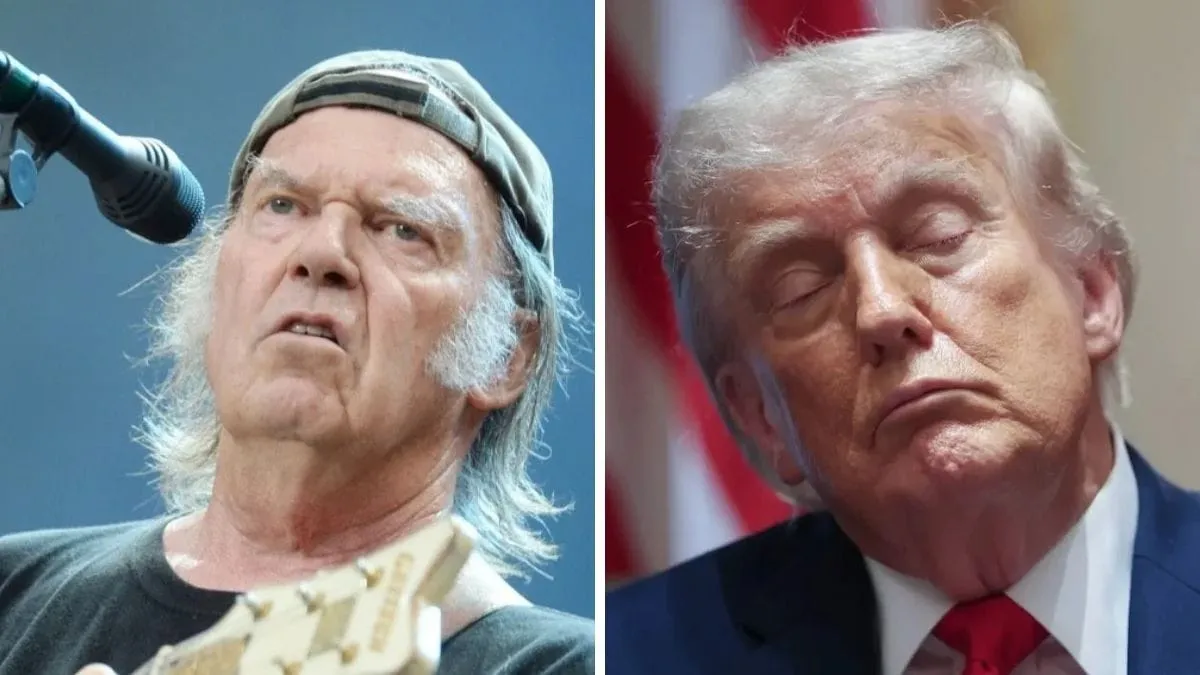
A Legal Stand for the Soundtrack of Freedom
For more than ten years, musician Neil Young has been vocal in his opposition to the political narrative surrounding the phrase “Rockin’ in the Free World.” This sentiment, which Young has repeatedly urged former President Donald Trump to cease employing, has become more than just a personal disagreement; it has entered the realm of public discourse and legal challenge.
Recently, Young escalated his efforts, asserting that the political operation surrounding the phrase has once again disregarded an existing legal agreement. This action signals a serious attempt to address the ownership and use of cultural language and creative works within the political sphere.
In response to this perceived disregard, Neil Young has taken legal action, filing a new copyright infringement lawsuit against the Trump 47 Committee. This lawsuit is a powerful statement, moving the conversation from public commentary to the formal legal system.
The filing highlights the intersection of artistic freedom, political discourse, and intellectual property rights. By pursuing this case, Young is asserting that the use of his work and associated concepts requires adherence to established legal frameworks, regardless of the political context.
This litigation brings into focus the complex relationship between cultural icons, political figures, and the legal ownership of the narratives they promote. It underscores the fact that even seemingly simple phrases can carry significant weight when intellectual property and contractual obligations are involved.
The lawsuit is not merely a dispute over words, but a confrontation over how cultural assets are managed and utilized by powerful political entities. It demonstrates a commitment to protecting creative rights even when facing institutional resistance.
Young’s decision to pursue this infringement claim is a reminder that artistic integrity and legal protections remain vital tools for challenging prevailing narratives. It sets a precedent for how creative legacies interact with the volatile landscape of modern political communication.
Buy on Amazon
Credit