Metallica and Mötley Crüe steal a producer for their masterpiece
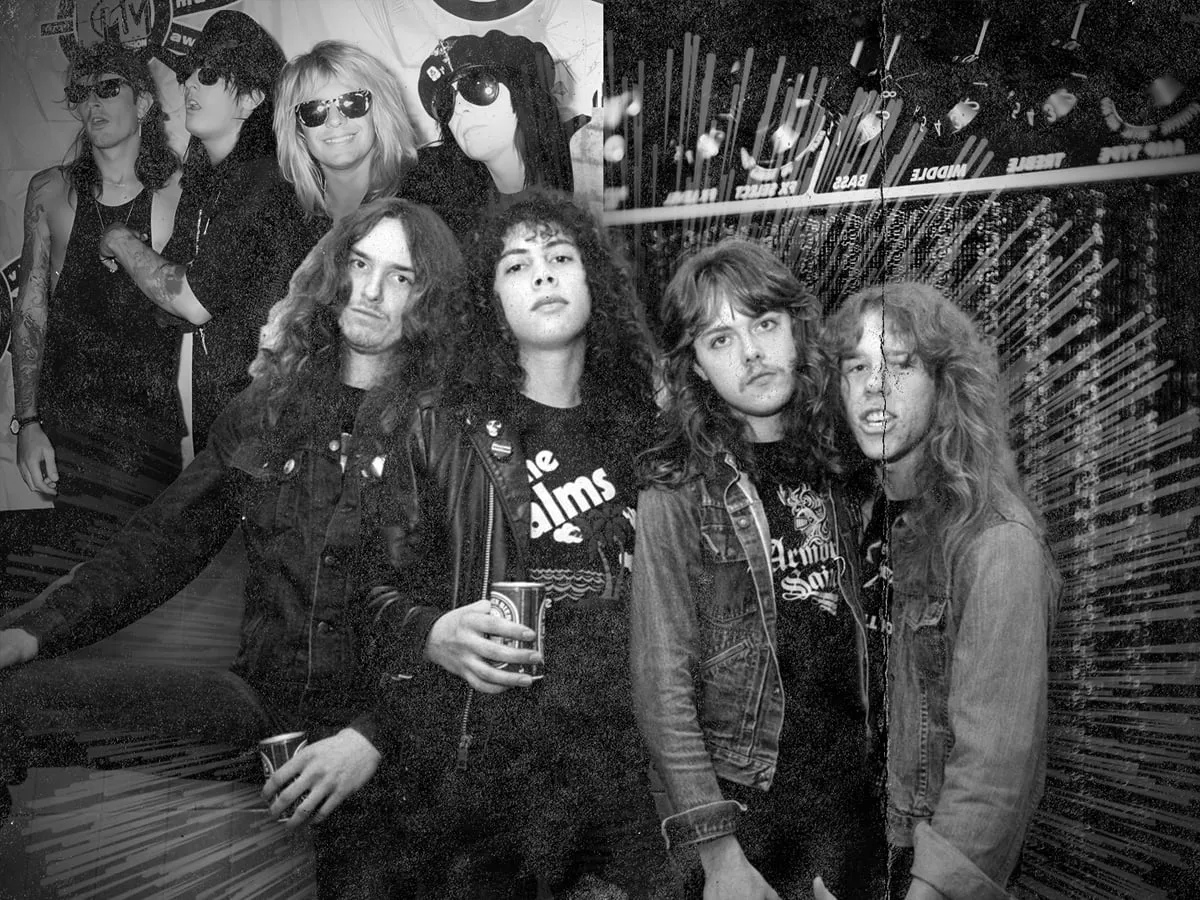
Stepping into the world of heavy metal is a tightrope walk, and for bands like Metallica, it often meant balancing artistic vision with the relentless currents of the industry. Operating a successful band requires not just musical talent, but the courage to define your own path, especially when the landscape around you is shifting.
From the beginning, the dynamic between founding members James Hetfield and Lars Ulrich was defined by a clear sense of self. As they began crafting their initial sound, there was a mutual, unspoken understanding: they would not simply follow the dictates of the prevailing scene. They listened to the noise emanating from Los Angeles, but they refused to simply mimic it. This refusal set them apart from the era’s trends.
While other California heavy metal acts were embracing the flamboyant aesthetics of hair metal—full of spandex and themes centered on sex and hedonism—Metallica carved out a distinctly different niche. Hetfield could flirt with darker themes, but the focus was rarely on celebrating a lifestyle of pure excess; it was more about the control that drugs exerted, rather than the celebratory junkie attitude of their contemporaries.
This difference in philosophy led to inevitable friction. Lars Ulrich, known for his confrontational energy, was not afraid to challenge the status quo. He tested these boundaries, even pushing against bands he perceived as posing in the LA scene. One memorable moment illustrates this spirited defiance: when cornered by Mötley Crüe, Ulrich’s response was sharp and immediate. He felt the urge to throw every retort he had, asserting his presence against the polished facade of the hair metal movement.
Though physically smaller, Ulrich demonstrated grit, managing to navigate the situation with sheer force of will. He remembered the encounter vividly, noting that while the chase was comical, the real tension lay in the clash of competing musical identities.
Yet, even in this competitive environment, the magic of collaboration intervened. Bob Rock, the producer who turned raw energy into gold, proved to be a crucial bridge. He helped shape Metallica’s sound, notably guiding them through the creation of their landmark work, The Black Album”>The Black Album, allowing the powerful, isolated sound of the drums to resonate with global impact.
Despite these creative collaborations, the animosity between the two bands remained a simmering undercurrent. While they shared a common revolutionary spirit in their engagement with alternative music, the personal rivalry persisted. Both groups engaged in subtle jabs during performances, a testament to the complex and often guarded relationship between them.
Ultimately, the story of Metallica and the broader rock scene is a reflection of differing artistic goals. While both bands explored the revolution of alternative music, there was an undeniable divergence in their focus: one group was driven by a desire for power and glory, while the other sought a more profound mission to change the world with their music. These cold shoulders, born from artistic ambition, remain an interesting, enduring chapter in rock history.
Buy on Amazon
Credit
