Merle Haggard’s regret over his biggest hit
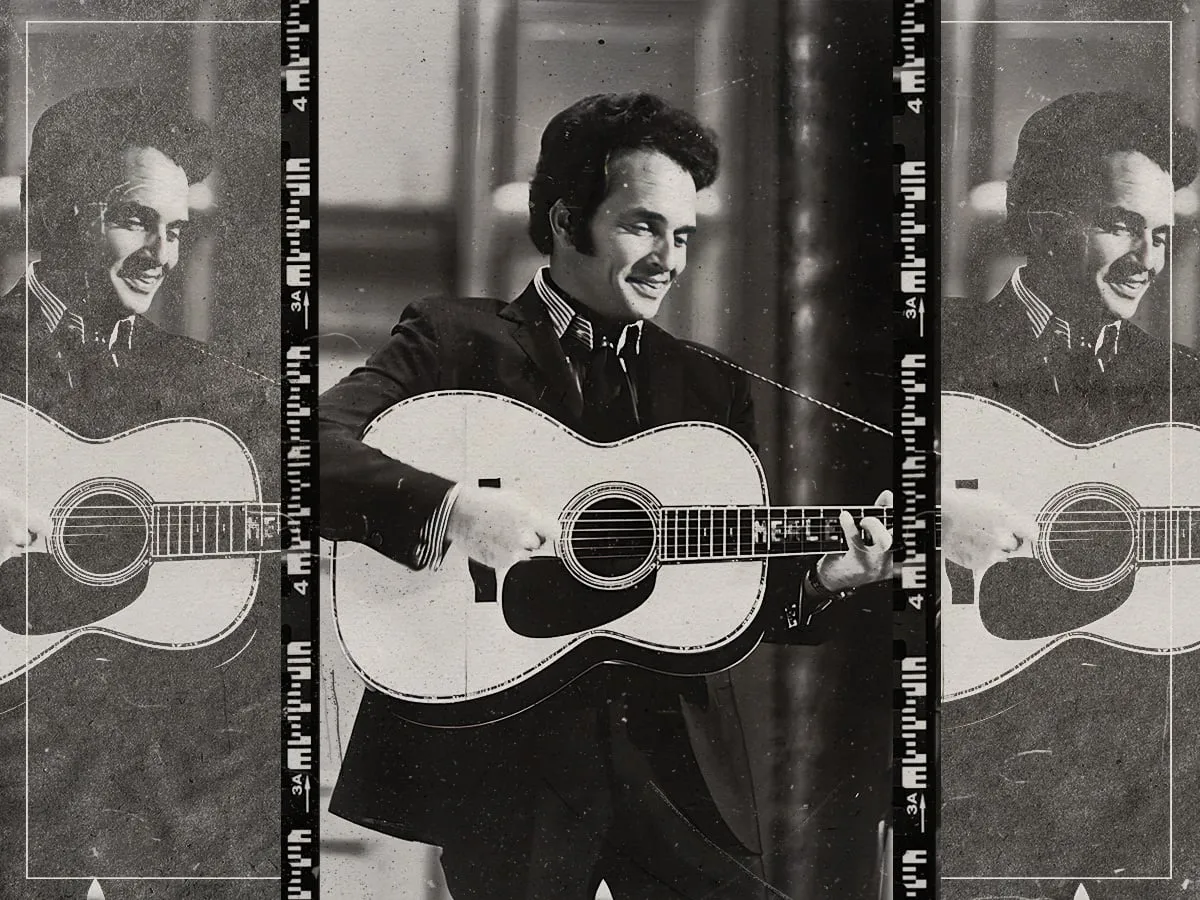
Some songs, once born, are destined to follow you around for a lifetime, often becoming something more than just music—they become cultural artifacts. For Merle Haggard, his signature hit Okie From Muskogee is a prime example of this phenomenon, a tune that has sparked celebration in Oklahoma while simultaneously drawing sharp criticism over the decades.
Written back in 1969, the song was more than just a catchy melody; it emerged from a period of intense social and political upheaval. It was initially penned as a reflection of the simple, down-to-earth attitudes of Oklahomans, but it quickly became intertwined with the larger cultural battles of the time, particularly the protests against America’s involvement in the Vietnam War.
The lyrics, in their straightforward appeal, were not immune to scrutiny. While intended to celebrate a certain way of life, the song was perceived by some as backward or ignorant. It inadvertently became a lightning rod, representing a tension between regional pride and the escalating concerns of a younger, more progressive generation.
At the time of its release, Haggard had framed the song as a reaction against the perceived naivety of the youth regarding the war. He felt there was a fundamental disconnect between those fighting and those protesting, leading him to express discomfort with the attitude of some young activists.
However, as the years passed and societal perspectives shifted, Haggard’s view on the song underwent a profound evolution. In a later reflection, he admitted that he had lost some of the initial devotion the song inspired, recognizing that the perspectives embedded in the lyrics were dated.
Reflecting on his time, Haggard acknowledged that he was just as naive as many of his contemporaries. He confessed that the song served as a snapshot of America under the assumptions he shared, admitting that he understood the foolishness of his younger self. This admission added a layer of maturity to the song’s legacy, moving it from a simple celebration to a complex commentary on changing social values.
The enduring fascination with Okie From Muskogee lies in this shifting meaning. What began as a seemingly simple celebration of small-town values evolved into an early cultural clash—embraced by some as an anthem of patriotism and dismissed by others as a sneering dismissal of a generation demanding change.
Ultimately, Haggard’s later reflections revealed a remarkable willingness to acknowledge the limitations of his initial perspective. By recognizing the context and the evolution of his own understanding, he transformed the song, allowing it to stand not just as a classic country hit, but as a poignant snapshot of a divided America and the artist’s own journey through it.
Buy on Amazon
Credit