Mel Brooks calls genius ‘There was only one’
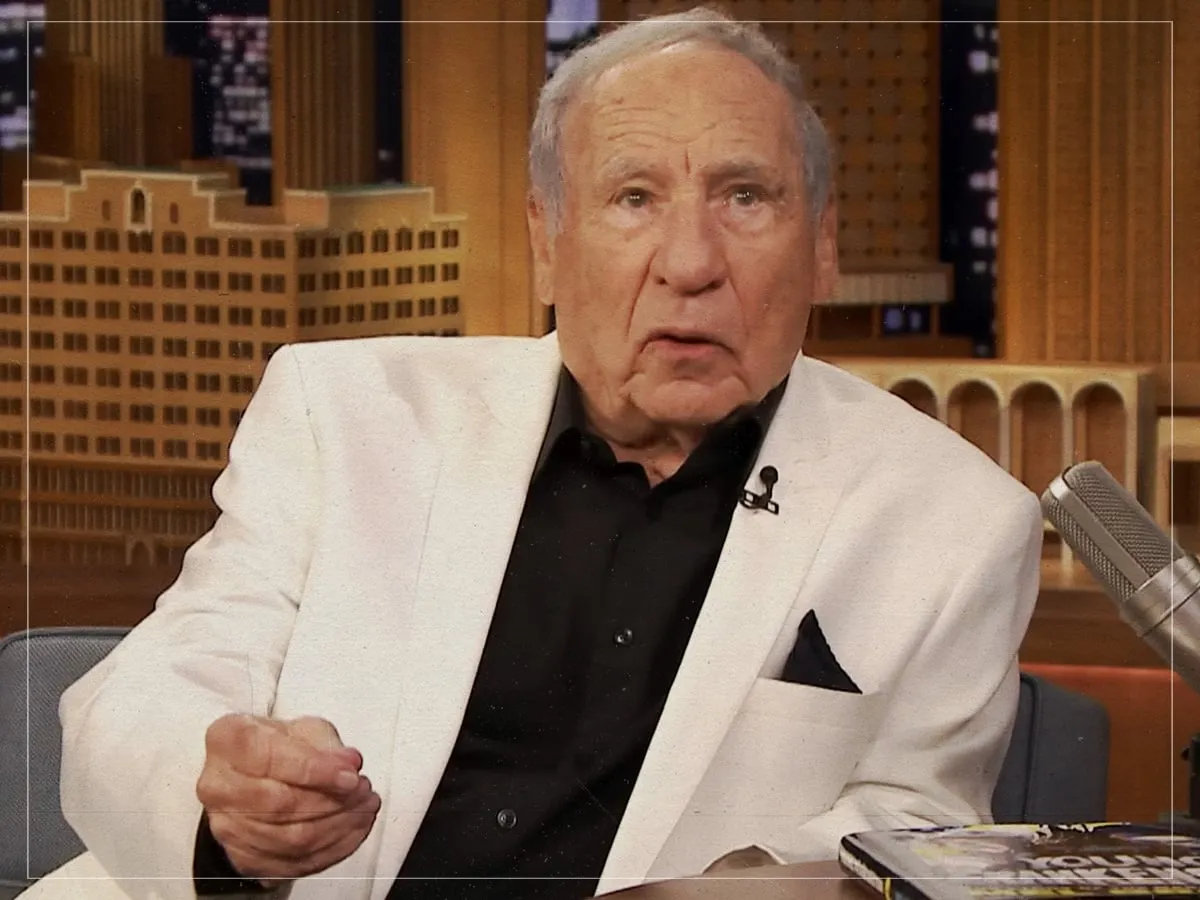
Mel Brooks, a master of comedy who has carved out an inimitable niche in the entertainment industry, often reserves his praise for the truly exceptional. While he rightly views himself as one of the sharpest comedic minds in history, his gaze frequently drifts beyond his immediate circle to identify talent operating on a level far exceeding his own.
When pressed to name the funniest movie ever made, Brooks immediately pointed to his own co-written and directed masterpiece, Blazing Saddles. Yet, when asked about the greatest actor to ever grace the screen, he named Anne Bancroft, a choice underscored by the fact that she shared a long and meaningful personal history with him.
This admiration for cinematic genius is perhaps most eloquently expressed in his reflection on Buster Keaton. Brooks noted that while many attribute the title of “genius” to Keaton, he felt the term was too reductive. He observed that while figures like Einstein were geniuses, Keaton was simply astonishing. Brooks noted that he had never encountered a human being capable of performing with such brilliant, graceful timing.
The contrast between the two comedic titans is fascinating. Brooks, the anarchic master of one-liners, puns, and sight gags, stood in sharp contrast to Keaton, who pushed the physical limits of performance. Where Brooks utilized verbal wit, Keaton employed an unparalleled physical dexterity, ensuring that every starring role was a masterclass in physical genius.
For Brooks, this appreciation extended beyond mere performance. He credited Keaton with a profound, almost philosophical influence, stating that the actor made him believe in the power of make-believe. This connection was deeper than professional respect; it was a recognition of a unique, almost supernatural ability to command an audience.
The legacy of Keaton echoes across generations. He has been name-checked by icons like Jackie Chan and Johnny Knoxville, and his death-defying DNA continues to inspire modern action cinema. This vast influence, spanning from the 1920s to today’s blockbusters, speaks to a unique kind of impact that transcends the world of comedy and filmmaking.
Ultimately, Brooks acknowledged the profound debt he owes to this singular figure. He argued that without the inspiration of Buster Keaton, there might not have been the Mel Brooks we know today, solidifying Keaton’s place not just as a great actor, but as a foundational force in the history of performance.
Buy on Amazon
Credit
