MCR sued for fake Dallas Cowboys Cheerleaders
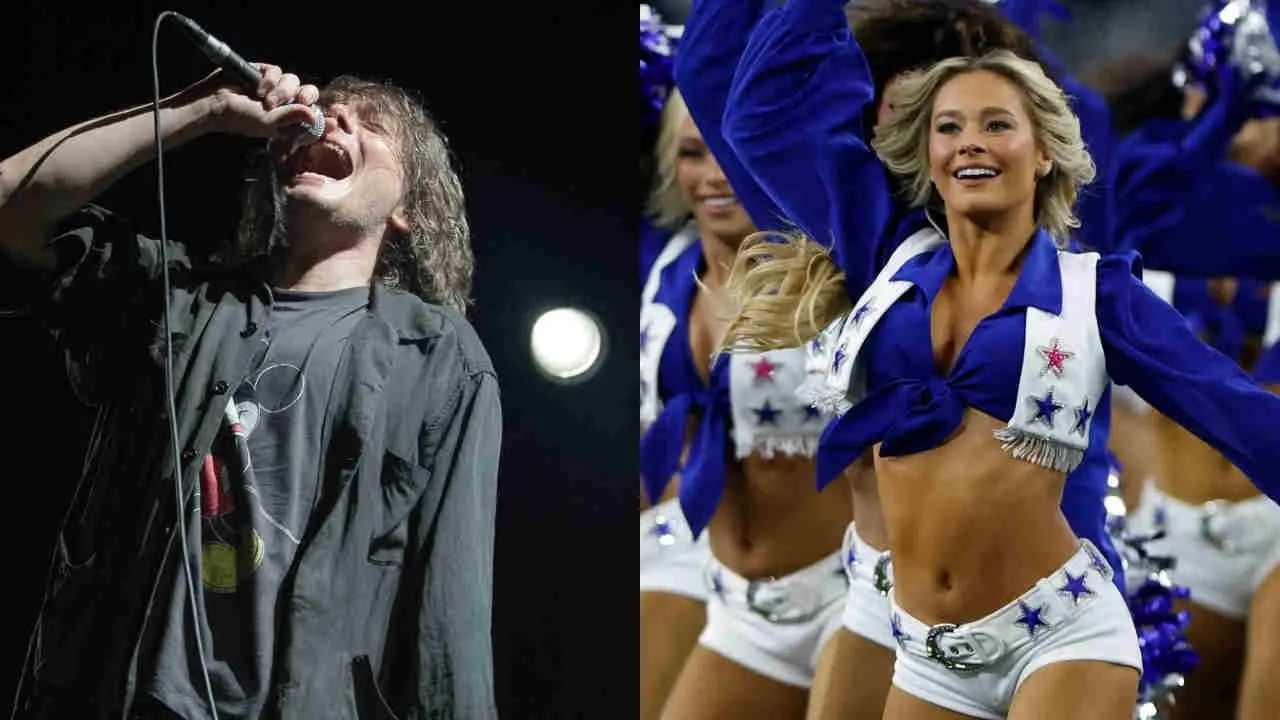
When a band takes the stage, they often seek to push boundaries. For My Chemical Romance (MCR), their five-night residency at the Hollywood Bowl was an exercise in theatrical excess, and it included a stunt that sparked a genuine legal firestorm: a troupe of dancers dressed as the Dallas Cowboys Cheerleaders engaged in a high-stakes, fictional rebellion.
Midway through the opening night of the residency, the performance shifted dramatically. Clad in the iconic blue and white of the Dallas Cowboys Cheerleaders (DCC), the dancers appeared onstage carrying cardboard rifles. This dramatic display was part of the show’s narrative, which centered on a fictional totalitarian regime, the Draag. The performance culminated in a dramatic rescue of the lead singer, Gerard Way, from masked figures, adding an element of absurdity and tension to the concert experience.
While the spectacle delighted some audience members and online commentators, it immediately drew the attention of a major brand owner. Silver Star Ltd., the company that owns the Dallas Cowboys Cheerleaders brand, swiftly moved to protect its intellectual property. The company filed a temporary restraining order and injunction against the band, raising trademark concerns over the use of their uniforms.
Silver Star Ltd. maintained that while they respect MCR’s artistic ambitions and message, the use of their brand imagery in the performance was problematic. Their position was clear: they asked only that the performers refrain from wearing the DCC uniform during the stunt, arguing that the world of alternative costume design is effectively unlimited.
Despite the legal action, the theatrical element continued. Reports indicate that the cheerleaders continued to appear at subsequent shows, maintaining their commitment to the performance and wearing the DCC uniform, seemingly unconcerned by the ongoing dispute.
My Chemical Romance has yet to issue a formal comment on the legal proceedings. The incident serves as a fascinating case study on the intersection of artistic freedom, commercial branding, and the often-complicated relationship between theatrical spectacle and corporate ownership.
Buy on Amazon
Credit
