Marvin Gaye’s question Sly Stone’s answer
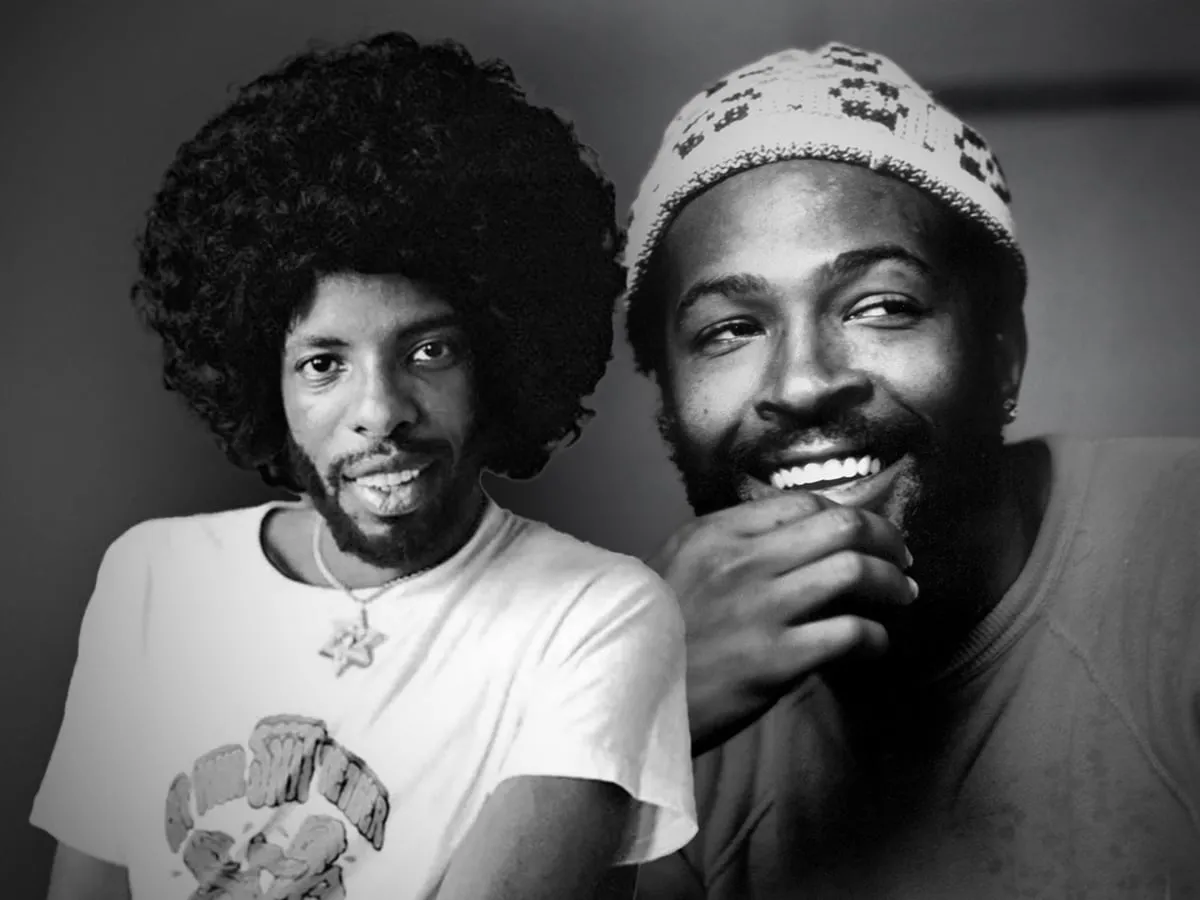
The Summer of Love, capped by the legendary Woodstock festival, remains a defining moment of the 1960s. It was a time when music didn’t just entertain; it became a powerful force that brought people together en masse, embodying an unprecedented sense of peace and unity.
Amidst the swirling idealism, the sound of the era reached a new, transcendent level. While many artists struggled with the technicalities of the massive gatherings, a few bands redefined what a live performance could be. Sly and the Family Stone emerged as a towering example, their infectious sound serving not only as a soundtrack but as a genuine representation of harmony, bridging racial divides and fostering a profound sense of community.
For the members of the group, the experience shifted their perspective. As one bassist reflected, the energy of Woodstock set a new standard, establishing a benchmark for what music could achieve. They realized that true connection lay not just in the performance, but in the shared experience of sound and movement.
Sly and the Family Stone’s success during this period was a powerful statement. In a society grappling with deep societal tensions, their music offered an undeniable vision of equality and connection. It was a vibrant expression of harmony, proving that art could transcend political and social boundaries.
As the idealistic spirit of the Summer of Love faded, the music and culture of the decade were left to confront the harsh realities of the world. This tension fueled artists to seek deeper, more personal ways to process the world around them.
Sly Stone, in particular, faced the pressure of this newfound success, leading him toward a more introspective and uncompromising artistic path. In 1971, he released There’s a Riot Goin’ On. Made largely in isolation and driven by raw feeling, the album became a visceral statement addressing the systemic issues of the time.
This record, steeped in the raw experience of personal struggle, is now celebrated as one of the greatest LPs of the 20th century. It provided a liberating voice, a document of both the chaos and the fragile hope that defined that era.
The quest for answers continued. Ten months after Stone’s statement, Marvin Gaye released his groundbreaking concept album What’s Going On. While Stone provided a powerful, defiant answer, Gaye offered a profound reflection, centering his work on the turmoil of the Vietnam War and the painful societal divides that existed.
Both albums, separated by time but connected by a shared pursuit of truth, remain monumental. They demonstrate how music can function as both a mirror to the world and a catalyst for change. Today, whether we look at the communal joy of Woodstock or the poignant commentary of these iconic records, the enduring message of connection and hope continues to resonate loudly.
Buy on Amazon
Credit