Lou Reed steals fantastic tuning for “I was kidding around”
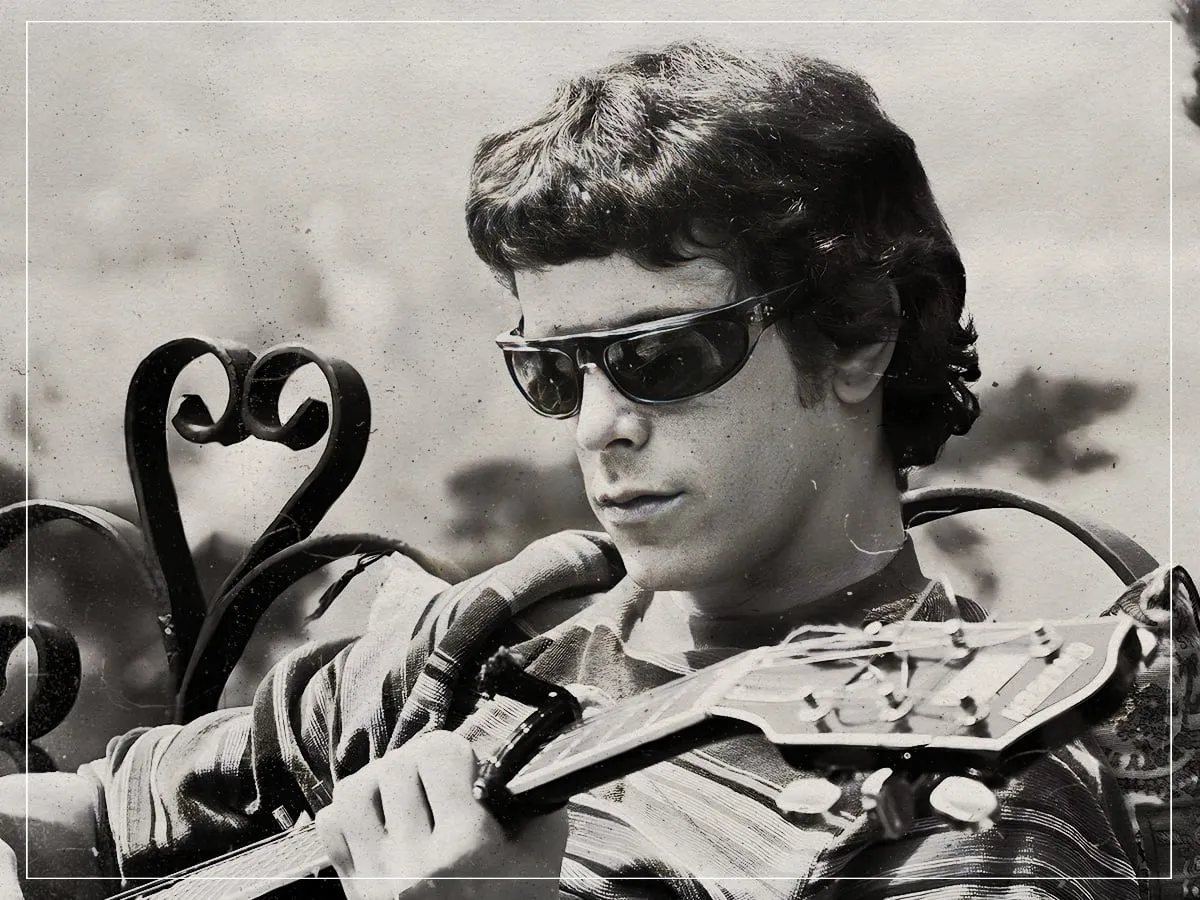
Is Lou Reed a revolutionary artist who simply pushed the boundaries of rock music, or was he more interested in wilfully creating things that deliberately irritated those who didn’t share his vision?
The answer lies in the volatile landscape of his career. While many point to The Velvet Underground as the genesis of this provocative mindset, their early work was so experimental and avant-garde that it alienated the mainstream. Their records sold poorly at the time, earning them a fiercely cultish reputation that often rubbed listeners the wrong way.
Yet, Reed possessed a fascinating pattern. After releasing a string of more accessible records in the early 1970s that garnered greater commercial and critical acclaim, he would inevitably return to his older tricks. This approach involved releasing some carefully palatable material only to follow it up with something truly monstrous. It became a deliberate cycle: providing a few friendly albums to gain public support, and then unleashing a truly abrasive masterpiece to separate the wheat from the chaff.
This tactic repeated itself throughout his career. Albums like Metal Machine Music in 1975, The Raven in 2002, and his collaborative work with Metallica in Lulu all demonstrate a commitment to deliberate alienation. Reed understood that friction was a powerful tool in his arsenal.
This “my way or no way” philosophy wasn’t just abstract theory; it manifested in some truly bizarre creative decisions. Back in 1964, while still with The Primitives, Reed penned the song The Ostrich, a deliberate parody of contemporary dance crazes like “The Twist.” The lyrics mocked popular choreography, and the idea was further enhanced by his choice of guitar tuning.
To make the tune uniquely Reedian, he decided to tune all six guitar strings to the exact same pitch class, resulting in what he later dubbed “ostrich tuning.” While this method served absolutely no practical purpose in terms of practical guitar playing, Reed ran with it. He acknowledged that the concept was daft, but exactly that ridiculousness was the point.
In an interview, Reed explained his rationale, referencing how the idea had been borrowed from his musical circle, noting that a peer had suggested the concept. He admitted that while it might sound nonsensical, it was exactly the kind of playful, absurd maneuvering that fueled his musical output.
Lou Reed’s genius wasn’t just in creating music, but in mastering the art of provocation—using the boundaries of style and sound to entertain, challenge, and ultimately, captivate his audience.
Buy on Amazon
Credit