Lizzie Borden’s Girlboss Story in a Monster Season Review

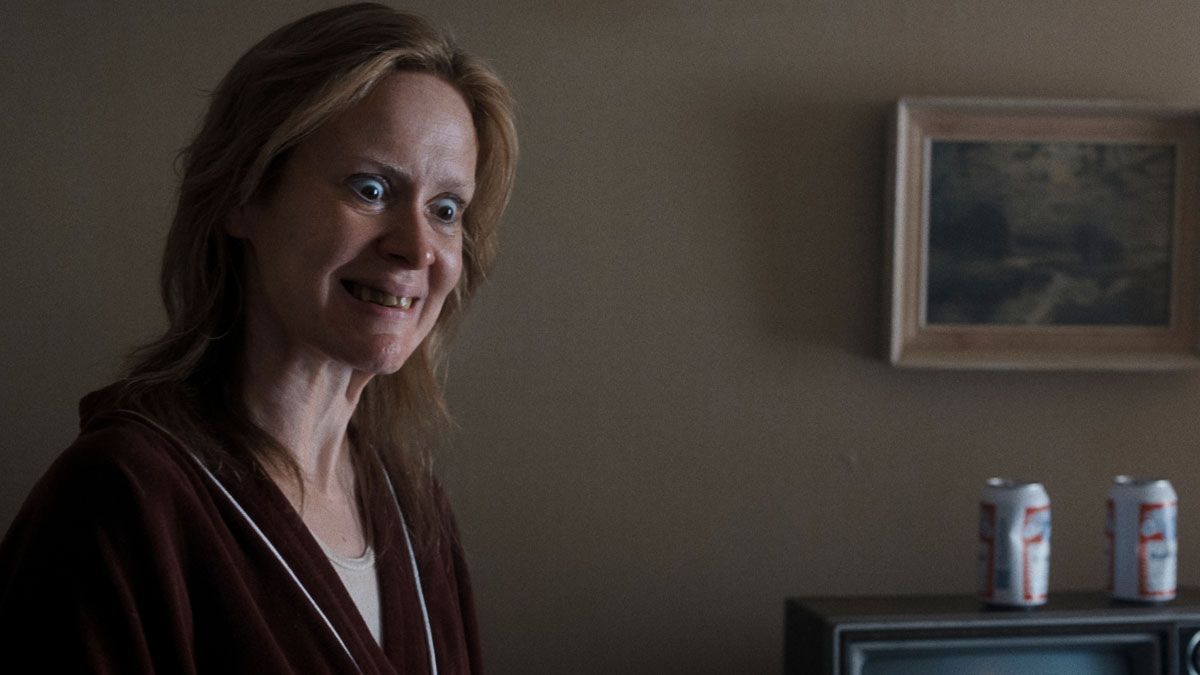
When you watch Ryan Murphy, you know a certain style. Subtlety is rarely the first word on the agenda; instead, he often unleashes his themes with the force of a tidal wave. This characteristic energy is powerfully on display in Monster: The Lizzie Borden Story, a recent entry in the anthology series that tackles weighty themes with unapologetic, almost brutal directness.
The series doesn’t just tell a story; it wields its central themes like an axe to the head. It’s a provocative choice, one that immediately shifts the narrative from mere historical drama into something far more visceral and comedic. This approach, while undeniably bold, forces the audience to confront the dark undercurrents of the story with an intensity rarely seen in mainstream television.
This thematic strategy is perhaps the most obvious and brilliant joke the series plays on its audience, especially when considering the subject matter at hand. The juxtaposition of historical tragedy with the inherent absurdity of the situation creates a tension that is both hilarious and deeply unsettling. It’s a masterclass in balancing the macabre with the mundane.
By embracing this kind of stark, uncompromising storytelling, the series manages to find a unique space between horror, comedy, and genuine human drama. It suggests that the deepest truths about society, madness, and violence are often found in the most unexpected, and sometimes the most exaggerated, human experiences.
It is this fearless exploration of the uncomfortable elements that makes Monster: The Lizzie Borden Story a compelling watch. It reminds us that the greatest stories don’t shy away from the sharp edges; they embrace them, turning the painful into something unforgettable.
Buy on Amazon
Credit