Lennon’s search for peace in India and the political anthem he brought
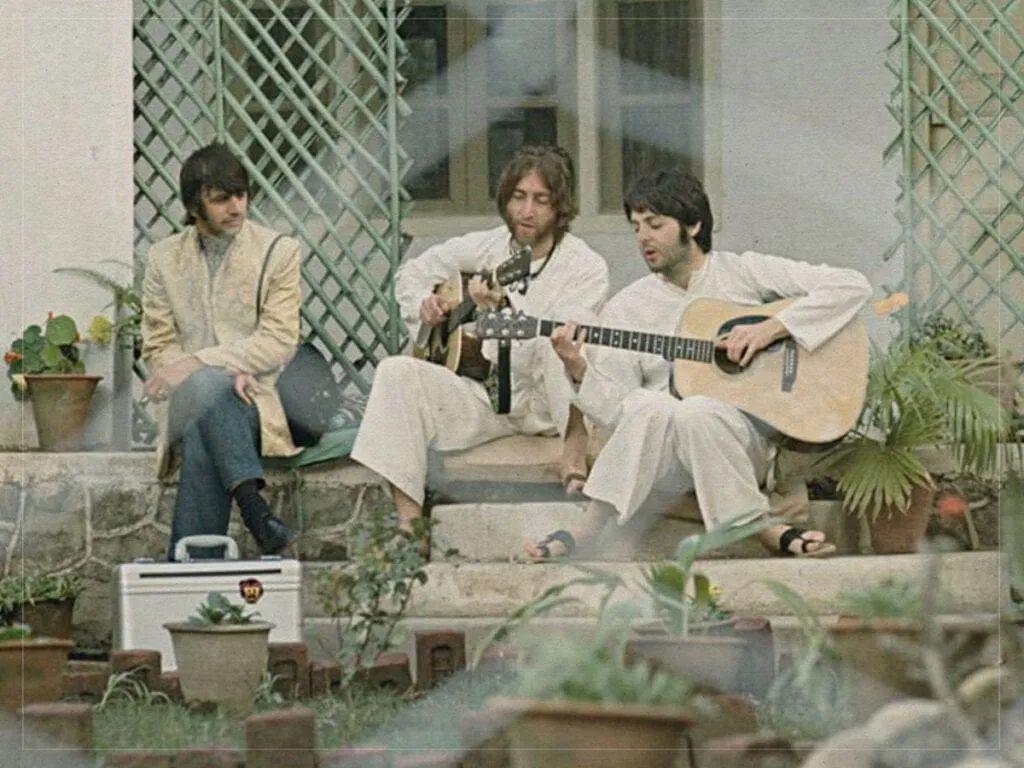
It is almost impossible to separate the art of John Lennon from the world of politics. As the leader of The Beatles, he was arguably one of the most famous and politically engaged musicians of all time, weaving his melodies into the fabric of global social resistance.
His journey wasn’t a simple, straight line from innocence to activism. It was a story of two distinct halves. In the dazzling, bright era of The Beatles, Lennon, like his bandmates, was primarily cast as a pop star, tasked with delivering musical hits devoid of political tension. Yet, beneath the surface of those catchy tunes, a deep commitment to social justice simmered.
The shift began when Lennon graduated from pure entertainment into the vital embrace of the world’s brutal realities. From the peak of his fame until his tragic death, he was deeply embroiled in bloody global conflicts that he felt compelled to criticize. He transformed from a carefree entertainer into a crucial voice in activism, penning songs that became anthems for social resistance.
Where did this powerful shift originate? The first major political domino to fall in his back catalogue was the 1968 track “Revolution”, taken from The Beatles’ iconic White Album. This moment marked Lennon’s realization that he could no longer remain silent about the world around him, rejecting the role of the blissfully ignorant pop star.
At this time, the Vietnam War was at its most devastating peak, and the aftermath of events like the Tet Offensive ignited furious anti-war protests across Western societies. Lennon sought an outlet, taking to his guitar to craft a response to the immense suffering he witnessed.
While seeking clarity, Lennon immersed himself in a spiritual journey. The song began to take shape while he was in India with the rest of the band, attending a transcendental meditation camp with the Maharishi Mahesh Yogi. This environment provided a space for introspection and a different perspective on conflict.
In an interview, Lennon reflected on this experience, noting that he sought to communicate his feelings about revolution. He expressed a desire to tell the world to communicate and say, “What do you say? This is what I say.”
Lennon’s approach to revolution was deeply philosophical. Rather than embracing destructive methods, he championed the idea of peaceful social change. As Yoko Ono later clarified, Lennon believed that seeking peace required evolution, not violence. He insisted that true revolution should not create new statues of oppression, but rather foster peace through peaceful means.
Ultimately, this period laid the foundation for a chapter of his career that became his most beloved and storied. Lennon used his music as a powerful vehicle for change, championing his signature view of peace over war. By seeking inner peace and channeling it into art, he found a profound way to engage with the world’s most pressing issues.
Buy on Amazon
Credit
