Kiedis admitted sex with 14-year-old Why was it overlooked
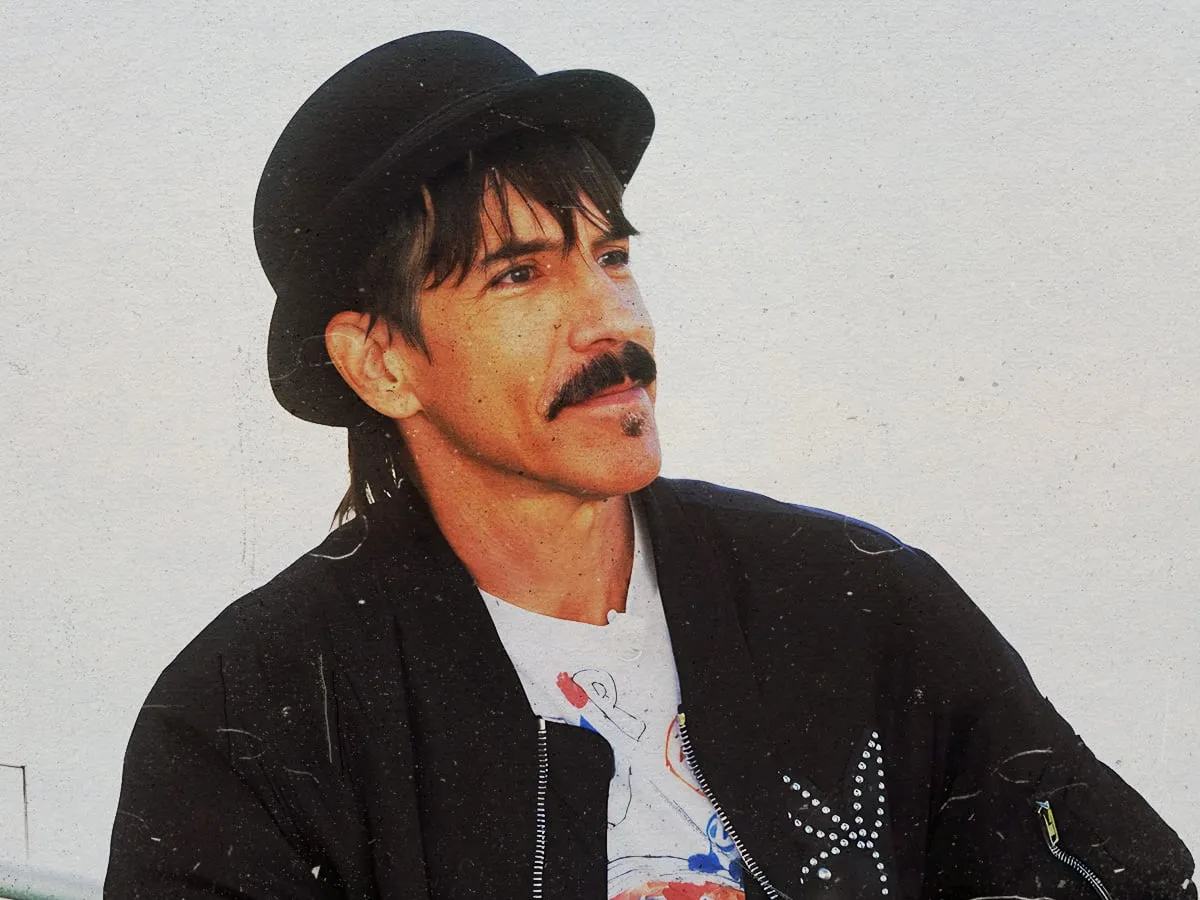
Anthony Kiedis is a figure woven into the fabric of rock history, celebrated as one of the most recognizable frontmen in music. His life story, steeped in the raw energy of rock ‘n’ roll, is often framed by tales of hedonism, survival, and artistic rebellion.
His 2004 autobiography, Scar Tissue, attempts to document this remarkable existence, chronicling experiences so intense they often defy conventional storytelling. However, beneath the surface of stories about fame and excess lie deeply troubling admissions about behavior that challenge the public perception of the celebrated artist.
While the Red Hot Chili Peppers defined an era with their infectious sound, Kiedis’s personal history reveals a far more complex and complicated narrative. The context of his upbringing—marked by instability and exposure to substances from a very young age—provides context for his life, but it does not excuse his actions.
The trajectory of Kiedis’s life has been fraught with hardship. Growing up, he experienced profound challenges, including interactions with drug use and difficult relationships, which shaped the chaotic environment he navigated.
In his autobiography, Kiedis also revealed more disturbing details about his personal life. He documented a relationship with a minor, which he later admitted to having with a 14-year-old girl. This admission, made decades after the events, raises profound questions about the standards applied to public figures and the way society chooses to interpret their past.
Kiedis’s account details a specific encounter where he admitted to having sex with a young woman, even after discovering her age. The circumstances of this revelation—choosing to share such a private and uncomfortable truth in a widely celebrated book—highlights the tension between personal history and public scrutiny.
These disclosures exist alongside other difficult aspects of his past, including accounts of sexual abuse and criminal charges that were faced during his earlier years. While Kiedis has previously downplayed some of these incidents, the full weight of his history invites a wider examination of the moral complexities surrounding rock stardom.
The public discourse surrounding rock music has often romanticized excess and rebellion. Yet, there is a fundamental distinction between celebrating artistic freedom and excusing conduct that harms others. Kiedis’s story forces a reflection on how audiences view the lives of their idols and the responsibility that accompanies fame.
Ultimately, the focus shifts to the audience. Admiration for an artist should not require indifference towards the actions that have shaped their life. The challenge lies in acknowledging the full picture of an artist’s life, understanding that the celebrated achievements do not erase the responsibility for the conduct that occurred.
Buy on Amazon
Credit