Johnny Cash sang to outsiders in 1958
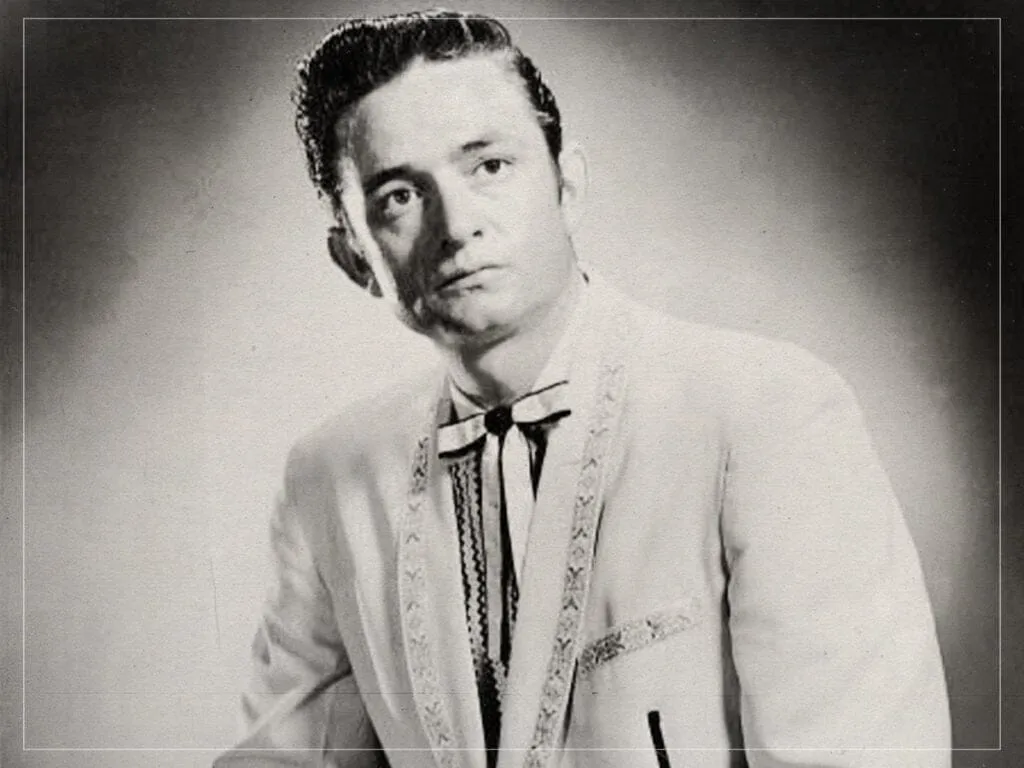
Everyone thinks of Johnny Cash as the ultimate outlaw—a man who defied the law. But the real story of Cash isn’t just about his music; it’s about the profound empathy he shared with those locked behind prison walls.
Cash expertly crafted a romantic yet gritty persona as a wanted man on the run. His songs weren’t mere entertainment; they were a raw, honest chronicle of jail cells, fists, and guns. He possessed a unique ability to humanize those who had made mistakes, singing with an authenticity and grit that resonated deeply with the men behind bars.
This commitment to connection led Cash to take on an extraordinary role in the late 1950s. He began performing free concerts for prison inmates, becoming known as the Man in Black. His inaugural prison performance took place on New Year’s Day, 1958, at San Quentin State Prison in California.
The impact of these performances was far from superficial. For young musicians like Merle Haggard, who was incarcerated at the time, Cash’s presence offered a powerful sense of validation. Haggard recalled the experience vividly, noting that Cash had the right attitude—chewing gum, flipping a bird to the guards—embodying a spirit that resonated with the prisoners.
For Haggard, the show set a powerful fire under him. He felt Cash’s presence granted a dignity that few others offered, showing that even those separated from society deserved respect. This shared experience was transformative, inspiring Haggard to forge his own path as a pioneering country artist.
Cash’s performances were marked by an incredible empathy. When he performed the song San Quentin, he didn’t just sing about suffering; he questioned the morality of imprisonment, recognizing the immense hardship faced by those confined. His voice, rumbling with power, offered the inmates a sense of understanding and wisdom.
It was this ability to build rapport—to interact with the crowd, joke about his guitar being out of tune, and offer genuine connection—that made Cash such a phenomenon among the inmates. He wasn’t just a singer; he was a friendly voice among those who felt misunderstood.
Though Cash may never have served time himself, for the men in prison, he was one of their own. He proved that even as an outlaw, Johnny Cash offered something invaluable: the undeniable feeling of being seen and understood.
Buy on Amazon
Credit