Johnny and Jackey’s failed single launched Motown
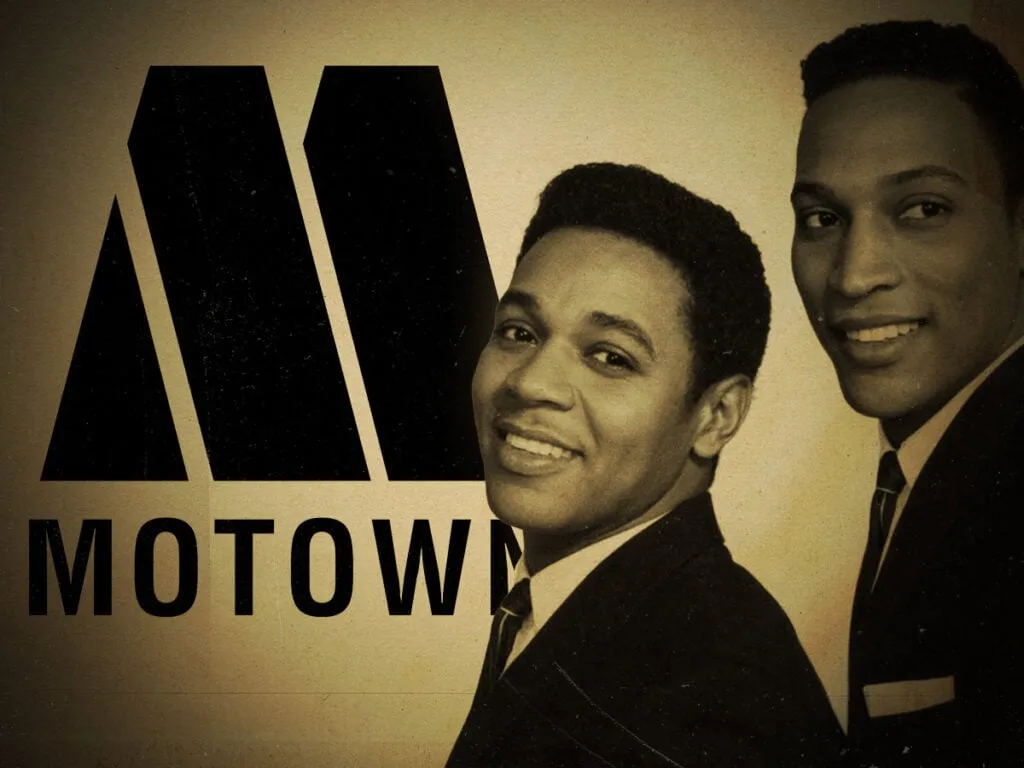
The world of Motown was less a gentle melody and more a high-octane pressure cooker. Berry Gordy’s label operated with the relentless energy of Detroit’s automotive industry, demanding speed and output. In this environment, second chances were rare, and the expectation for every young artist was simple: strike gold immediately, or risk being sidelined by the relentless pursuit of a hit.
While the machine churned out global pop dominance throughout the 1960s and 70s, the sheer volume of talent meant that many artists found themselves quietly fading into soul obscurity, overlooked by the label and the public alike. Yet, occasionally, a forgotten track would resurface, proving that true hits often arrive through unexpected channels.
One such tale involves Johnny Bristol and Jackey Beavers, a pair who, in 1961, recorded the self-penned track Someday We’ll Be Together for the Tri-Phi label. Without the colossal backing of the Motown machine, the single failed to make a significant splash. For a time, the song existed quietly in the shadows of the industry.
However, fate intervened. Years later, when the larger, increasingly monopolizing power of Berry Gordy finally claimed Tri-Phi, the song was unexpectedly reappraised. Gordy saw the potential, and the Motown empire decided to put it back on the map. The label sent the original artists, along with co-writer Harvey Fuqua, to re-record the track with the powerhouse group Junior Walker and the All-Stars.
Though Junior Walker was ultimately sidelined in favor of Motown’s flagship act, The Supremes, the song’s destiny was set. The focus shifted to Diana Ross, who was being groomed by Gordy to become the solo star. Someday We’ll Be Together was envisioned as her inaugural solo single, providing the necessary momentum to thrive outside the confines of her trio.
When the single finally hit the airwaves in October 1969, it was credited to Diana Ross and The Supremes. While no other members of The Supremes were on the recording alongside Ross, the track served as a spectacular finale to the Motown institution, and the group managed to continue their run without their once-enforced leader.
Despite its delayed entry into the public consciousness, the single proved to be an undeniable triumph. It soared to number one in the US singles chart and managed an impressive 13 spots in the UK. More than just a fleeting hit, it provided a massive boost for Diana Ross as she embarked on her solo career.
Buy on Amazon
Credit