Joe Perry’s quest: “I want those guys”
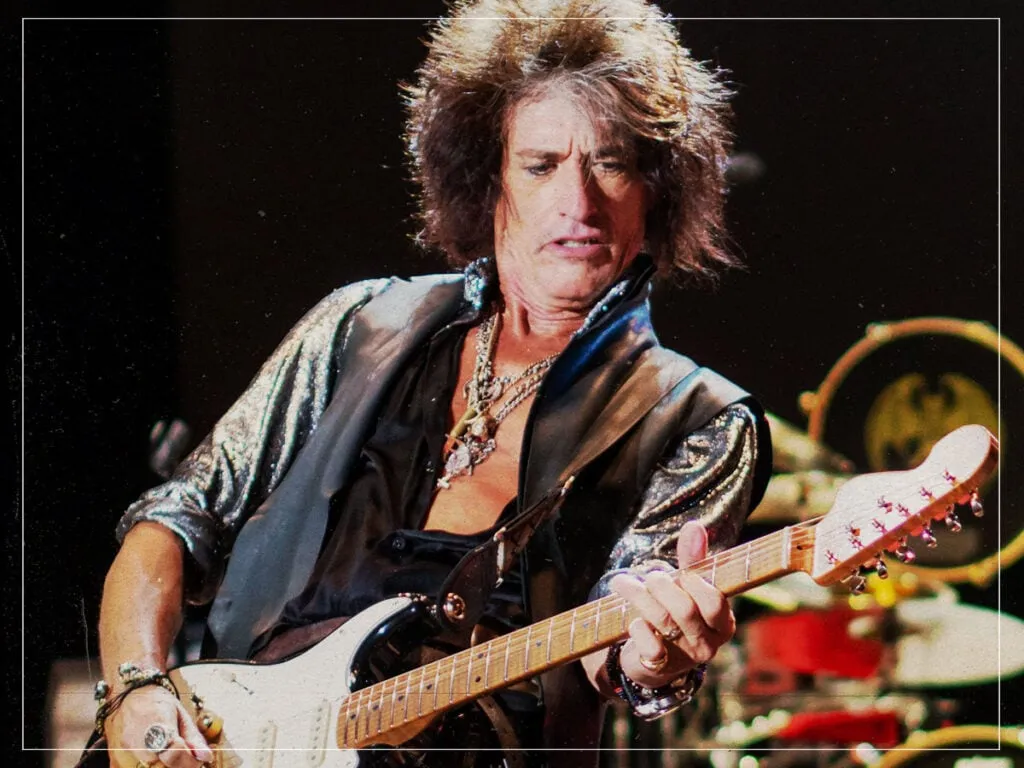
For a rock icon like Joe Perry, a career spanning over fifty years is less about chart positions and more about the seismic shifts that redefined his path. Looking back, the true milestones aren’t just the commercial triumphs, but the decisions that shaped his life and pushed the boundaries of music itself.
Perry honors a lineage of musical giants, drawing inspiration from foundational sounds stretching back to Muddy Waters and Bob Dylan, alongside the rebellious energy of The Yardbirds and The Kinks. But perhaps the most defining pivot of his journey was the choice to step away from the established machine and pursue a voice entirely his own with the 1980 debut, Let the Music Do the Talking.
This bold move was not taken lightly. By the late 1970s, the internal dynamic within Aerosmith had become intensely strained, characterized by friction and a crumbling collective. Perry decided that to truly unleash his creative potential, he needed to march to a beat dictated solely by himself, defying the expectations of those who saw the band primarily as an untouchable cash cow.
The resistance was palpable. While Columbia Records provided a budget and a producer, Perry faced quiet directives from executives who sought to suppress the solo project, determined to “starve him back to Aerosmith.” This clash between artistic ambition and corporate control fueled Perry’s frustration, pushing him to channel that raw emotion into something completely independent.
Instead of relying on industry heavyweights, Perry looked to the underground to fill his new sonic landscape. He sought out musicians whose talent preceded their fame, trusting instinct over reputation. He found his essential partners in bassist David Hull and powerhouse vocalist Ralph Morman.
Perry recalled the specific qualities he sought in these collaborators. He admired Hull’s raw feel, recalling how his talent shone brightly, and he was captivated by Morman’s vocal delivery, noting that his style possessed a unique power, reminiscent of both Paul Rodgers and Rod Stewart. These were not mainstream figures, but they possessed the authentic feel Perry craved.
The instinct to choose these underground talents over established names reflected a core philosophy: trust the feel and the initial spark of the music above the weight of a reputation. Perry had already mentally filed these talents years prior, and when the opportunity arose, he called upon them, assembling a unit built on visceral authenticity.
Let the Music Do the Talking faced significant uphill battles, including label resistance and a modest commercial reception. Yet, the album stands as a powerful testament to artistic independence. It captured Perry at a point of uncompromising creative freedom, transforming his hostility toward external pressures into searing, unforgettable tunes.
For Perry, the experience was more than just an album; it was a defining moment, a life changer that cemented his status not just as a rock legend, but as an uncompromising artist who successfully carved out his own destiny.
Buy on Amazon
Credit