Jim Steinman’s Top 5 Songs
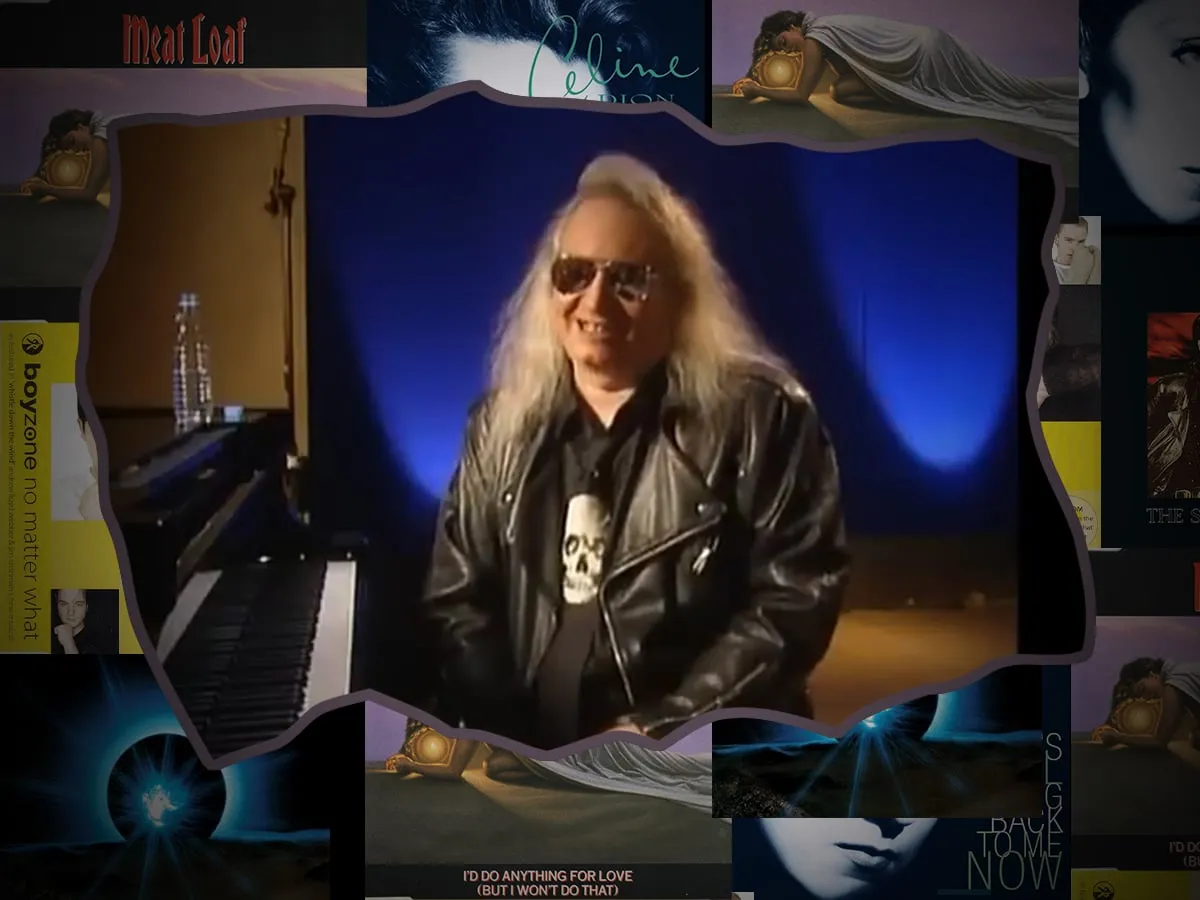
Before the arena rock titans and stadium anthems, there was the visionary producer, composer, and lyricist known as Jim Steinman. His creative foundation was not simply built on music; it was forged in the fantastical realm of Peter Pan, where his artistic imagination spun tales of a futuristic rock satire-dystopia titled The Dream Engine.
Born in New York, Steinman possessed a rare ability to see songs not as mere recordings, but as entire worlds waiting to be brought to monumental life. He approached music with a theatrical flair, treating every melody as a grand production ready for the stage.
This visionary approach meant that Steinman operated less like a studio technician and more like a master architect of sound, shaping the sonic landscape for some of the most iconic artists in music history. He was a multifaceted genius, simultaneously composing, writing lyrics, and producing projects that became cultural touchstones.
His defining philosophy was simple yet audacious: “I would do almost anything for what I create.” This commitment to the art form infused every project he touched with an unmatched intensity, blending theatrical ambition with raw rock energy.
Steinman’s production credits stand as a testament to this unique blend of rock sensibility and grand spectacle. His work with artists like Meat Loaf was legendary. He helped shepherd the creation of Bat Out of Hell, a masterpiece of hard-meets-progressive rock storytelling that remains one of the best-selling albums ever.
The influence extended far beyond stadium rock. Steinman’s work also touched pop sensations, notably in developing the soundscape for Boyzone’s hit No Matter What, which was conceived as a full musical rather than a standard single, showcasing his knack for reimagining narrative.
His collaborations continued across genres, touching the dramatic power of pop ballads. For Bonnie Tyler, Steinman provided the sonic vision for Total Eclipse of the Heart, crafting a sound that perfectly married rock power with emotional depth. Similarly, he helped shape the powerful vocal arrangements for Celine Dion’s rendition of It’s All Coming Back to Me Now, infusing the song with rock opera theatrics.
Even in the realm of darker, moodier music, Steinman’s production fingerprint was unmistakable. His work with The Sisters of Mercy on Floodland, particularly the track This Corrosion, perfectly exemplifies his skill in harnessing disco energy and gothic melodrama into a dynamic, pulsating experience.
Jim Steinman’s legacy is not just in the hits he helped produce, but in his ability to build worlds—whether on stage, in a studio, or through a song—proving that the greatest music is often the most magnificent theatre.
Buy on Amazon
Credit