Jim Morrison bangs on the door and screams at Linda Ronstadt
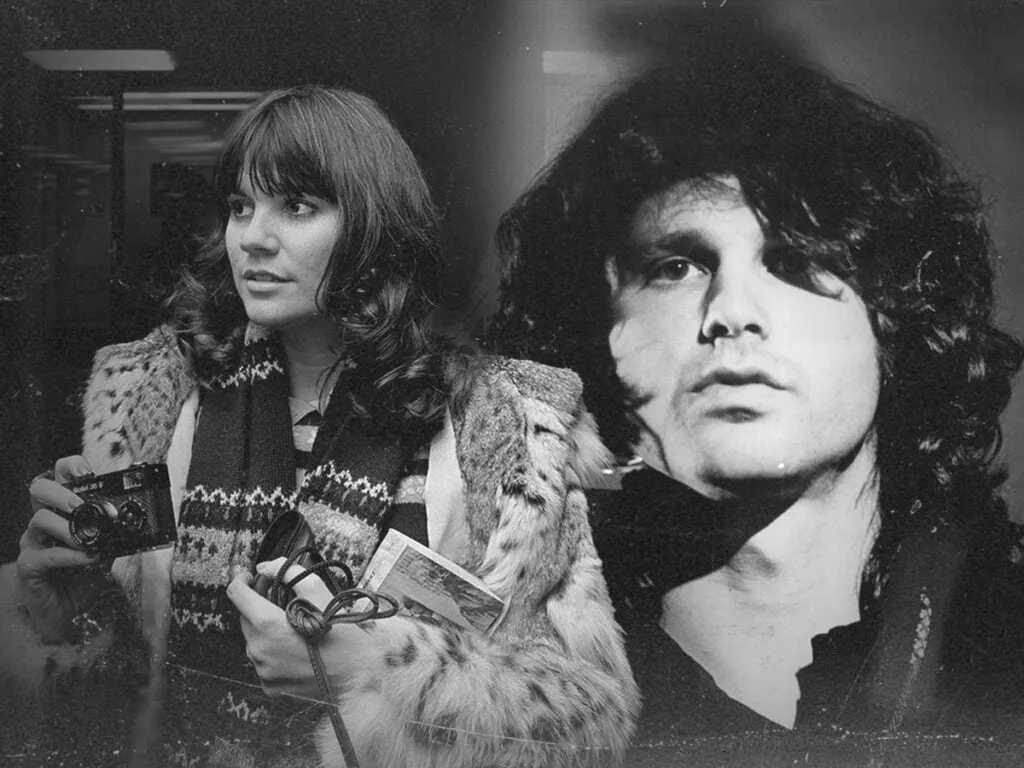
When Linda Ronstadt looked back on her career, she found that the roar of rock and roll didn’t define her. In her memoir, Simple Dreams, she reflected on the confrontational and aggressive attitude that often accompanied the music, noting a sense of unease about being considered the Queen of Rock during the seventies.
Ronstadt’s musical identity was far richer than the stereotypes of the era allowed. Raised in a household that celebrated a vast spectrum of sounds—from rock and rhythm and blues to opera, gospel, and mariachi—she carried a zest for diverse sonic palettes. This varied background informed her approach, allowing her to blend genres and influences into a sound that was both rooted in her time and uniquely her own.
This multifaceted approach led her to explore music outside the strict confines of mainstream rock. In the late 1960s, Ronstadt fronted the folk-rock band The Stone Poneys, a group conceptualized with her friend Bobby Kimmel in Tucson, Arizona. Seeking new musical ground, they moved to Los Angeles in 1964, embarking on a journey that would take them straight into the heart of the music industry.
The Stone Poneys began performing around the city, but their path intersected dramatically with the burgeoning rock scene. They were discovered by music industry executives at a rehearsal in Ocean Park, a location known for hosting legendary acts like The Doors. This exposure connected Ronstadt directly to the seismic shifts happening in American music.
Their connection deepened when The Stone Poneys toured with The Doors in 1968. While Ronstadt had been aware of the band previously, the experience of touring alongside them offered a stark contrast to the folk gigs she was accustomed to.
Ronstadt observed Jim Morrison’s bandmates—Robby Krieger, John Densmore, and Ray Manzarek—as excellent musicians, but she noted Morrison himself was moody and distant, with a noticeable tendency toward inebriation. The atmosphere of The Doors’ fandom, which Ronstadt found to be a kind of “needy, narcissistic frenzy,” was profoundly unsettling to her.
The tension between the two worlds became palpable during their stop in Boston. When Morrison asked Ronstadt to spend an evening together, their journey took them to Greenwich Village to see the Kweskin Jug Band. However, the night took a sharp turn when an encounter outside the venue escalated into a confrontation.
As they sought dinner, a man who had been drinking confronted Morrison, punching him in the face. Ronstadt and the road manager, Bob Neuwirth, were left embarrassed and determined to leave the situation unresolved. The resulting interaction highlighted the volatile energy that often surrounded the music world.
Back at their lodging, Morrison became belligerent, demanding entry. In a moment that underscored the discomfort of the situation, Ronstadt took action to protect herself, sliding the security bolt. This raw, volatile experience crystallized a challenging moment in her career, revealing the unpredictable and sometimes dangerous dynamics of fame and the music scene she was navigating.
Buy on Amazon
Credit