Jason Isbell sues Suno for AI using musician identities
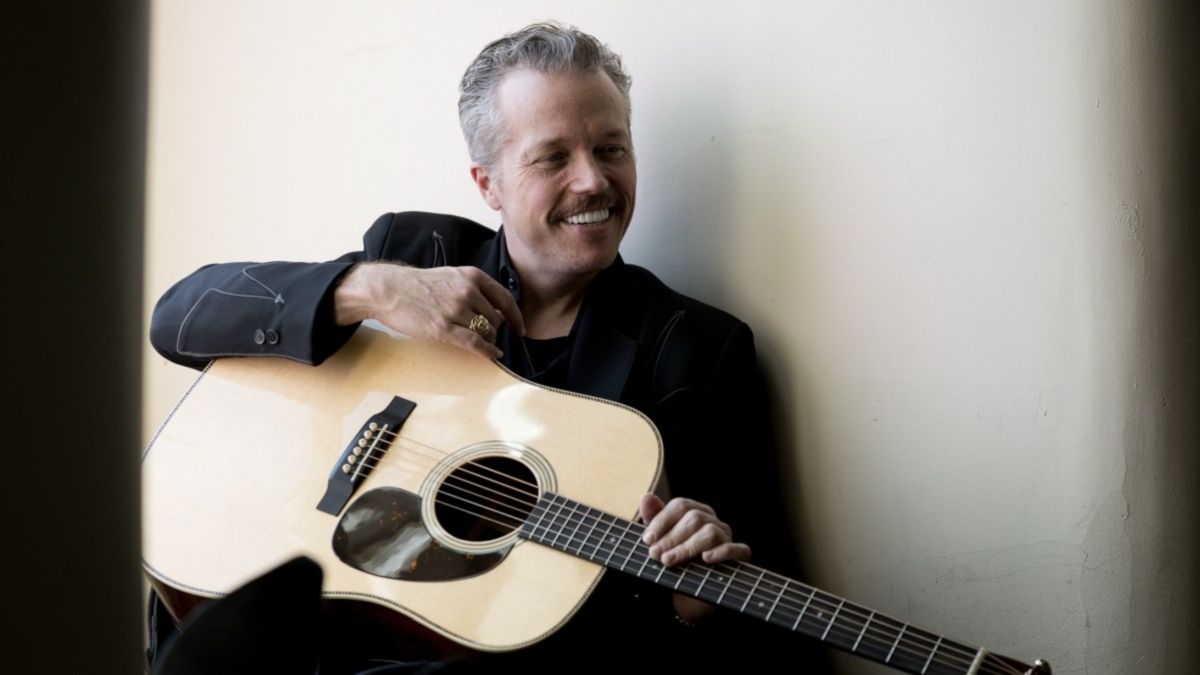
The digital age promised an explosion of creativity, and recently, that promise has collided head-on with the realities of intellectual property. A growing chorus of musicians is taking legal action against Suno, the popular AI music-creating software, alleging that the platform is leveraging their identities and unique artistic styles without consent to generate new music.
This class-action lawsuit brings into sharp focus the thorny legal and ethical questions surrounding artificial intelligence and artistic ownership. The core allegation is that Suno is essentially mining the creative output of established artists, using their recognizable sounds and stylistic fingerprints to train its algorithms, allowing it to produce music that mimics, and often directly copies, the work of these creators.
The legal challenge is not just about a few claims; it represents a systemic concern about how digital tools are built and how they interact with the livelihoods of human artists. Musicians argue that their life’s work, their unique sonic identities, should be protected, and that the commercialization of that identity by an algorithm without permission constitutes a serious infringement.
Leading the charge are prominent figures in the music world. Jason Isbell, among others, has brought this critical issue to the forefront, asserting that the use of their personal musical legacies in AI training poses an unacceptable threat.
The group of plaintiffs includes notable figures such as David Lowery, the blues guitarist and songwriter from Camper Van Beethoven, and Guy Forsyth, a respected figure in the jazz community. Their involvement underscores the widespread concern that the boundaries between human creativity and machine generation are rapidly dissolving in the digital space.
The dispute highlights a fundamental tension: innovation versus identity. While technology like Suno offers powerful new tools for creation, these lawsuits demand clarity on who owns the data used to train the AI and how artists are compensated when their distinctive creative voice becomes the raw material for commercial products.
The case serves as a critical litmus test for the future of generative AI. It forces a necessary conversation about copyright law, digital consent, and the fundamental rights of musicians in an increasingly automated creative landscape. The fight is not just for money, but for recognition that artistic identity, once built over a lifetime, deserves the same protection as any other property.
Buy on Amazon
Credit
