Jane Fonda’s worst moment: Pretending not to understand
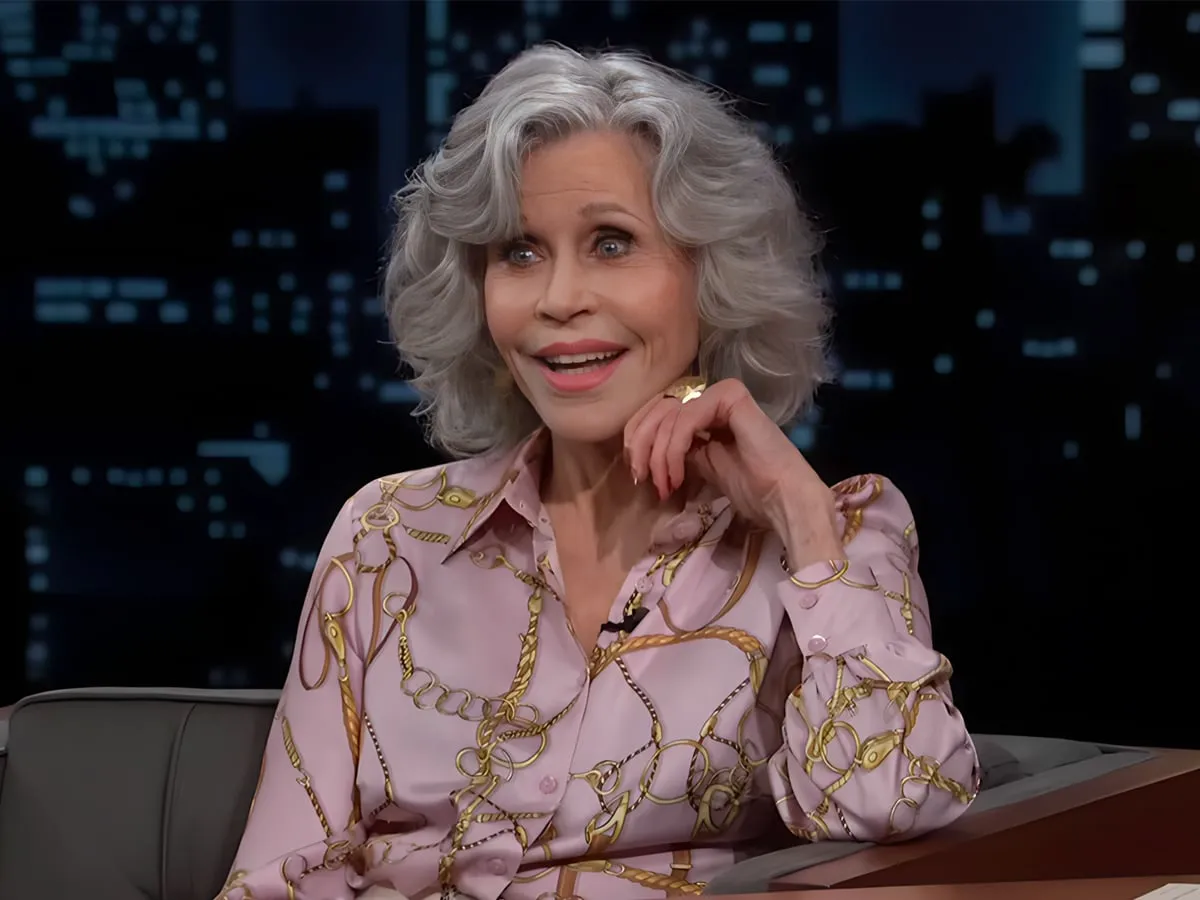
The 1960s were sold as a golden age of progress, a time when old societal structures were finally shedding their skins. But as we look back, was that promised progression truly a reflection of the era’s deeper values?
This decade was a crucible of cultural change. The sexual liberation movement fundamentally shifted the discourse, bringing female sexuality into the mainstream conversation. Second-wave feminism was gaining momentum, demanding recognition for women as individuals with complex wants and desires, rather than simply passive figures in domestic life. This cultural revolution found potent expression in cinema, where filmmakers began to challenge established norms.
Artists like Agnès Varda used the camera to hone in on the female experience, often critically examining the power dynamics and male audacity inherent in the visual narrative. This shift created an environment ripe for new storytelling, welcoming more women behind the camera and pushing boundaries in representation.
At the heart of this changing landscape was Jane Fonda. She became a leading voice in the sexual liberation movement, unafraid to embrace a more open image in her work, starring in iconic films like Barbarella, Circle of Love, and The Game Is Over.
Fonda sought freedom by embracing more lax attitudes, often opting for European productions that introduced more explicit depictions of female sexuality to American audiences. However, even amidst this artistic evolution, the film industry remained a complex and often tarnished place, holding onto its own forms of corruption.
Jane Fonda’s journey, however, provided a stark reminder that freedom often came with uncomfortable truths. She recounted an experience that stands as a memorable, if deeply unsettling, moment from her career.
While working on her first foray into European cinema, Fonda encountered a French director, René Clément, who would later direct the film Purple Noon. During discussions about a role, the dynamic became profoundly unprofessional. The director made comments that crossed a professional boundary, suggesting that the character required an orgasm in the movie, and he demanded to know what Fonda experienced during it.
Fonda found the situation utterly absurd and horrible. Although she spoke French fluently, she chose to pretend she did not understand his advances. She shared that this act of feigning ignorance was the most absurd and horrible thing she had experienced in her career.
This revelation spoke volumes about the gap between the progressive ideals of the 1960s and the lingering power imbalances within the entertainment world. Despite this deeply uncomfortable episode, Jane Fonda continued to dominate the era as one of its most iconic and enduring stars.
Buy on Amazon
Credit