J Balvin: Success Proves Artists Don’t Need an English Album
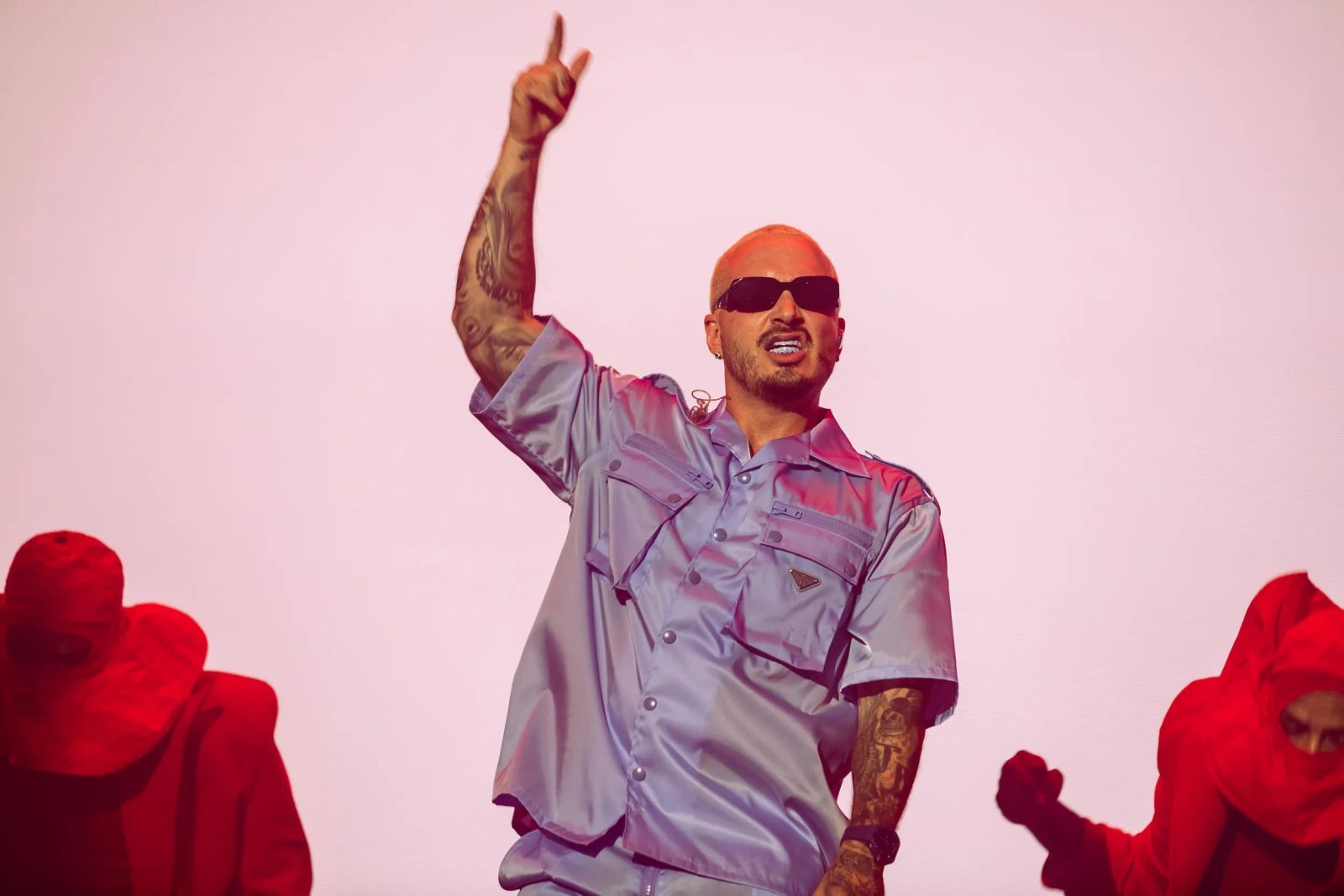
The Language Barrier: Why J Balvin is Staying in Spanish
In an era where music crosses borders effortlessly, the traditional notion of language as a barrier is increasingly obsolete. This perspective is powerfully reinforced by the global phenomenon of Spanish-language artists, a trend that has fundamentally shifted how music is consumed worldwide.
Pioneering this shift is J Balvin. The Colombian superstar has recently shared his perspective on his own artistic decisions, pointing to the undeniable success of artists like Karol G and Bad Bunny as proof that global reach no longer necessitates a linguistic pivot. When asked about the possibility of recording an album in English, Balvin delivered a firm response that champions the power of his native tongue.
“I don’t need to do it,” Balvin stated, asserting his commitment to staying rooted in Spanish. His comments underscore a growing realization among global artists: authentic connection and massive audience engagement do not depend on translating music, but on delivering genuine, culturally resonant art.
Balvin’s stance speaks volumes about the evolving landscape of global music. The success stories of Latin artists demonstrate that the emotional and rhythmic impact of Spanish music transcends language. Instead of viewing language as a limitation, these artists use it as a powerful tool to forge deep, transnational connections.
By refusing to translate his sound, Balvin is making a powerful statement about cultural authenticity. He is choosing to let the inherent beauty and complexity of Spanish flow directly to the world, proving that global success is achieved through pure musical talent and cultural identity, rather than linguistic compromise.
Credit