Iraq War vets and The Killers’ biggest hit
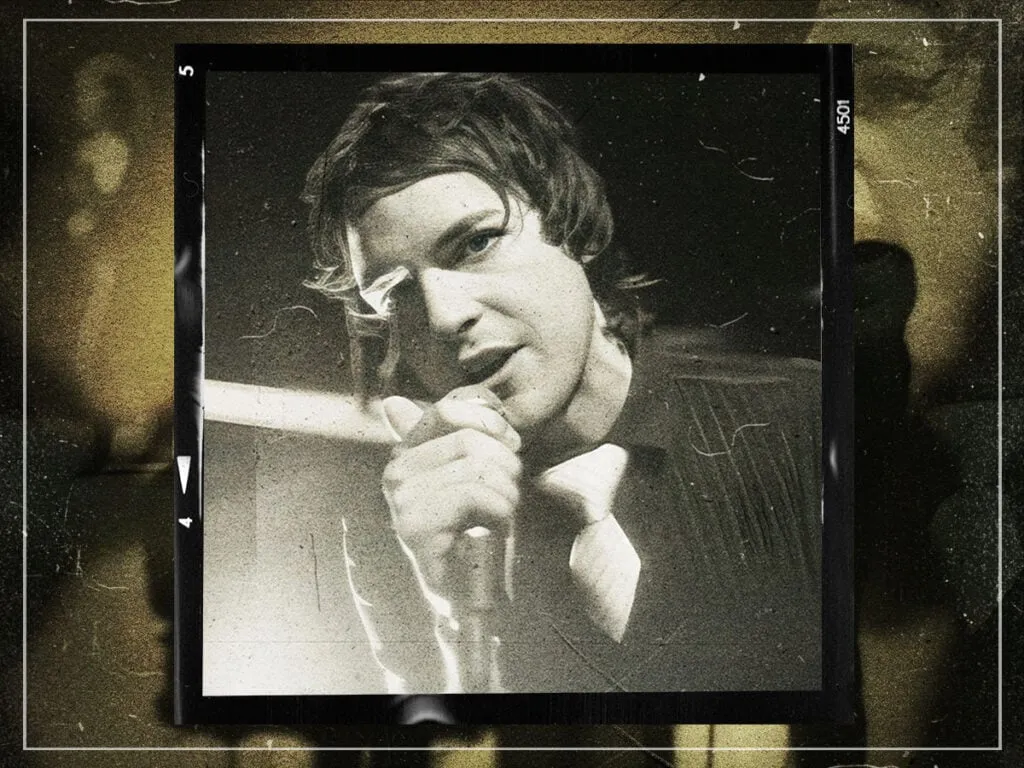
In the swirling, often messy landscape of indie rock, some albums manage to capture the zeitgeist with a raw, poignant melancholy that lingers long after the final note fades. The Killers’ debut record, Hot Fuss, stands as a prime example of this era-defining mood.
But the true emotional core of the band’s ascent often resides in their singles. Among them, the third single, ‘All These Things That I’ve Done’, didn’t just become a chart success; it evolved into a cultural touchstone, weaving together soaring melodies with a surprisingly profound narrative.
The genesis of the track is far more personal than a typical songwriting session. It began during a chance encounter that shifted Brandon Flowers’ perspective. He met Matt Pinfield, then the vice-president of A&R at Columbia Records, who was working on deeply meaningful projects. During this time, Pinfield was mentoring wounded soldiers returning from Iraq and navigating the complexities of a difficult divorce.
As Flowers drove him home that night, a personal conversation unfolded. Pinfield opened up about his work with veterans and the heavy emotional weight he carried. Moved by this shared vulnerability, Flowers immediately began writing. The resulting lyric, “I’ve got soul, but I’m not a soldier,” became a direct, raw tribute to the experiences of those who have served, a sentiment that resonated deeply despite occasionally baffling some listeners.
Flowers himself defended the line, noting that while others might dismiss it, the song makes perfect sense within its emotional context. Pinfield, deeply moved by the sentiment, later incorporated the song’s title into his memoir, All These Things That I’ve Done: My Insane, Improbable Rock Life, underscoring the depth of the connection.
Musically, the track is a masterful blend of influences. Flowers drew heavily from the cinematic grandeur of bands like U2, incorporating a full gospel choir featuring The Sweet Inspirations to elevate the chorus. The driving bass line borrowed from David Bowie’s ‘Slow Burn’, while the vocal delivery in the chorus was a playful nod to the iconic style of Lou Reed. This sonic tapestry allowed Flowers to process a complex inner life, balancing his Mormon faith against the chaotic energy of the global rock machine.
It became an exploration of human imperfection, illustrating the often uneasy yet fruitful relationship between religion and rock. This ability to blend serious introspection with stadium-ready rock is what cemented ‘All These Things That I’ve Done’s’ place in rock history.
Upon its release, the track’s potential was immediately recognized. Despite losing a Grammy Award for ‘Best Rock Performance by a Duo or Group with Vocal’ to U2 in 2006, the song left an indelible mark. It was lauded by critics, with publications listing it among the ‘100 Greatest Songs of All Time’ and ranking it highly within the band’s catalogue. From Noel Gallagher’s admiration backstage to massive singalongs at venues like Live 8 in London, the track has successfully transcended its origins to become an immortal piece of alt-rock history.
Buy on Amazon
Credit
