Iommi’s horrible solo now streams 1.7 billion times
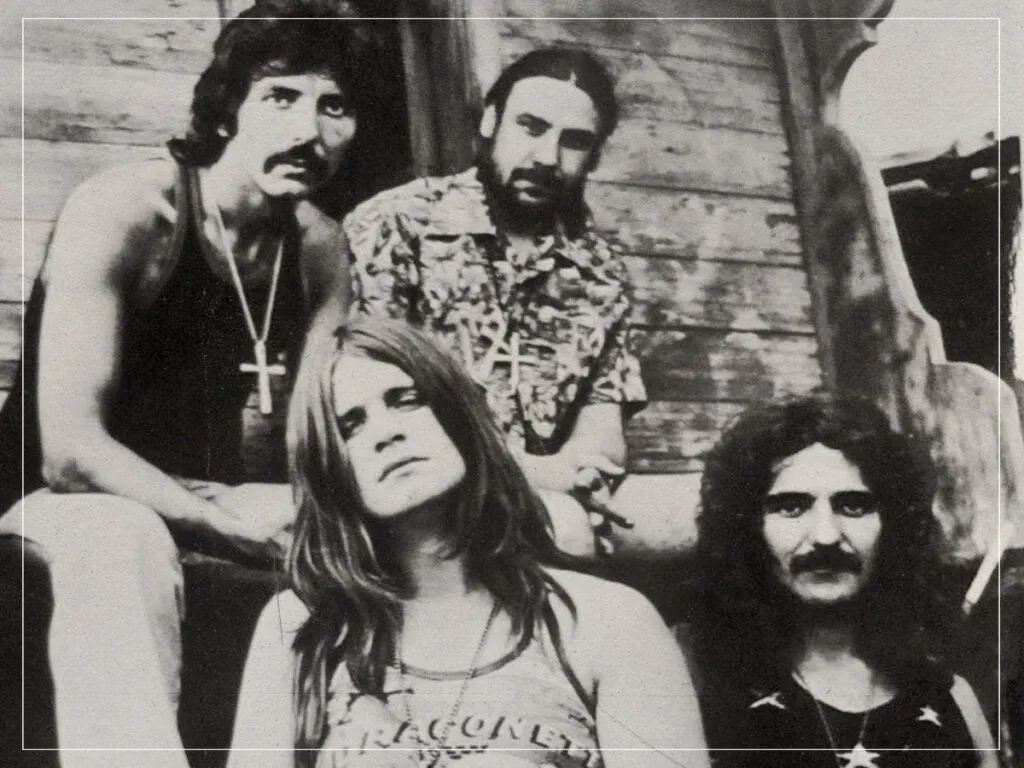
In 1970, a sound emerged from the gloom of Birmingham that would define heavy metal: Black Sabbath. This debut album didn’t just enter the music scene; it set an uncompromising standard, immediately rivaling giants like Led Zeppelin and Deep Purple. It was a raw, heavy rock sound that tore through the established norms, laying the foundation for a genre that would endure.
For a time, the band was unstoppable. A run of influential albums like Paranoid, Master of Reality, Vol. 4, and Sabbath Bloody Sabbath arrived between 1970 and 1973, shaking the foundations of rock ‘n’ roll. However, as the decade progressed, the momentum began to shift. Following the release of Sabbath Bloody Sabbath in 1973, the internal dynamics of the group started to fray, leading to a noticeable loss of coherence and quality.
The friction grew. Two years later, the release of Sabotage exposed growing internal conflict, compounded by spiralling issues with drugs and alcohol. This period of creative turmoil culminated in their final studio effort, Technical Ecstasy in 1976.
By the mid-seventies, the musical landscape was rapidly evolving. New sounds, such as the burgeoning punk scene and the polished soft rock of Fleetwood Mac and the Eagles, began to capture the mainstream spotlight. Although heavy metal continued to carve out its own subterranean niche through acts like Kiss, AC/DC, and Motörhead, the pressure of the changing times made it difficult for Sabbath to maintain their original trajectory.
Looking back, the experience was complex. Guitarist Tony Iommi has reflected on the journey, pinpointing Technical Ecstasy as a low point in the band’s evolution. He lamented that trying to become more technical didn’t work out, suggesting a period where the group struggled to reconcile artistic ambition with external demands.
Despite these personal reservations, the sheer power of their earlier work remains undeniable. The track Paranoid stands as a spectacular measure of how musicians and audiences can connect with a recording. By late 2026, the song had amassed over 1.76 billion Spotify streams, cementing its status as Black Sabbath’s most-played track on the platform.
The enduring appeal of the music lies in its raw, visceral impact. Even with reflections on studio choices and production—such as the controversial ring modulation applied to the solo in Paranoid—the finished recording has transcended the band’s internal struggles. Whatever reservations Iommi held, the sound has become an essential entry point into heavy music for audiences far beyond the original following.
The riff itself, perhaps the most famous element of the legacy, remains a powerful force. It’s a testament to how a seminal debut can evolve into a timeless, inescapable piece of musical history.
Buy on Amazon
Credit