Inspiration for Mike Oldfield’s Return To Ommadawn
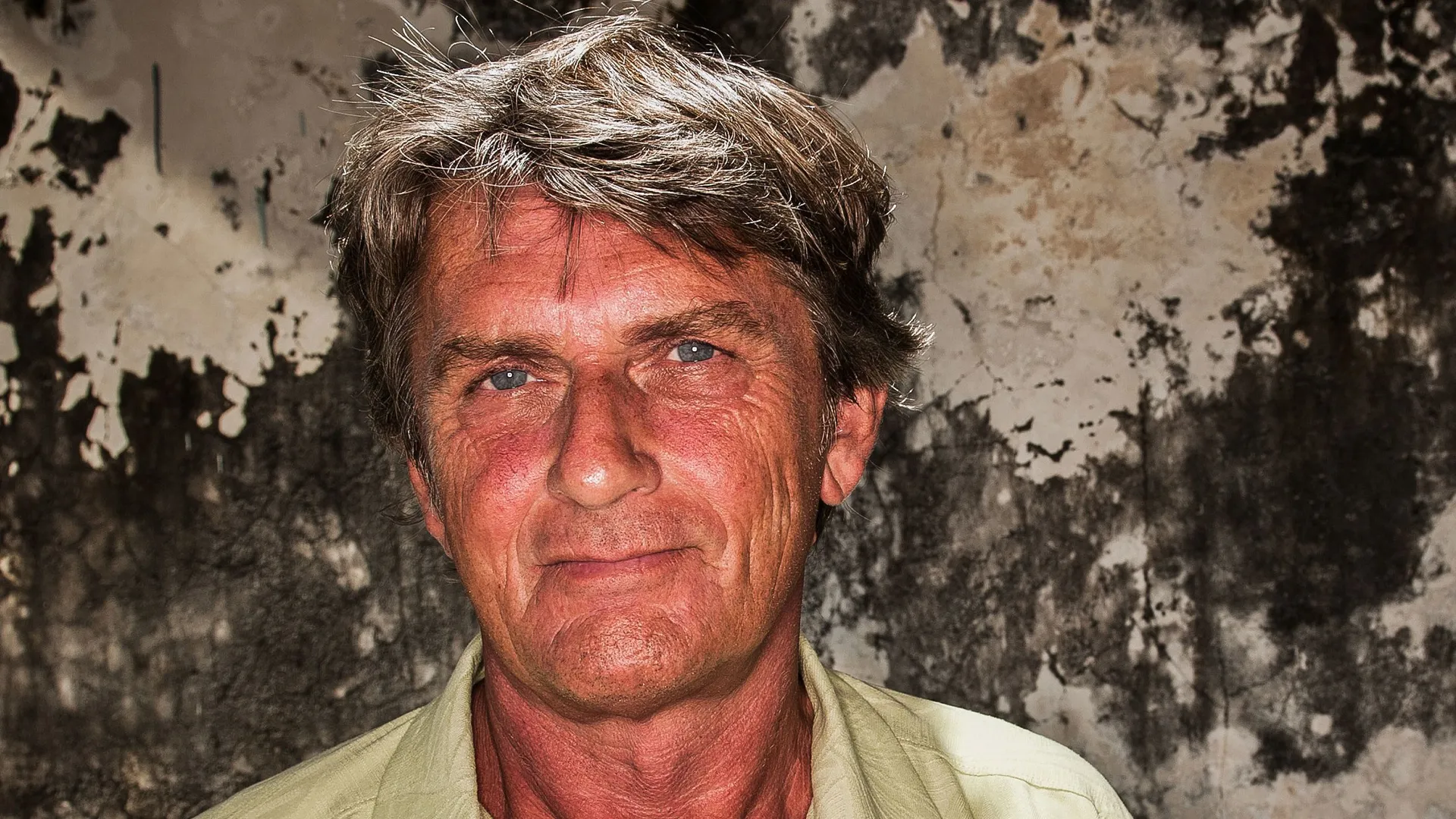
Mike Oldfield, a name synonymous with progressive rock and instrumental mastery, has announced a significant chapter in his musical journey. Six years after releasing his 26th album, Return To Ommadawn in 2017, the visionary artist has decided to retire from recording. Yet, before stepping away from the studio, Oldfield channeled a potent mix of fan requests and artistic curiosity into a project that promises to be a deeply personal and pure exploration of his craft.
The inspiration for this new endeavor wasn’t drawn from a label or a commercial mandate, but from the very community he cultivated. Oldfield began seeking input directly from his fans on social media, gauging what resonated most with them. The feedback pointed toward a return to the softer, acoustic sensibilities of his earlier work, with Ommadawn standing out as a favorite among listeners.
The decision to pursue this direction was further solidified by a conversation with fellow music pioneer Jean-Michel Jarre. When discussing his work, Jarre noted that while he deeply admired Oldfield’s music, he perceived him as too acoustic for his own style. This observation sparked an idea for Oldfield: if a respected peer considered him an acoustic musician, it highlighted the enduring importance of that facet of his career. This external validation provided the impetus to pursue a project rooted purely in his singular vision.
Oldfield is keen to emphasize that this new work is a pure solo effort. He is the sole musician involved, playing every instrument himself, ensuring the integrity of the sound remains entirely his own. This dedication to singular authorship is evident throughout the record, creating a powerful statement about the artist’s complete control over his creative landscape.
The physical realization of the album is as intentional as the music itself. Oldfield specifically designed the recording for vinyl, believing it brings listeners closer to the music. The album consists of just two tracks, Part I and Part II, each running approximately twenty minutes long. The cover art is elaborate, featuring photographs of the instruments used in the sessions, inviting listeners to explore the roles played by the various pieces of machinery.
Oldfield views the vinyl format as paramount, contrasting the experience of physical ownership with digital downloads. The intention behind the visual design is to offer an immersive experience, allowing listeners to spend hours identifying the instruments and understanding the sonic architecture of the recordings.
Despite the profound depth of the material, Oldfield acknowledges the logistical challenge of bringing the project to life in a live setting. He admits that performing Ommadawn and Return To Ommadawn live would be almost impossible to achieve authentically. To replicate the emotional connection and unique instrumental voicings would require finding musicians who could perfectly emulate his style, a feat he finds almost unattainable.
Ultimately, the project stands as a testament to an artist choosing authenticity over expectation. It is a deeply personal statement, crafted with meticulous detail, offering fans a unique sonic journey that is entirely Oldfield’s own, built from the very essence of his musical history.
Buy on Amazon
Credit