How Venom created Black Metal and changed metal
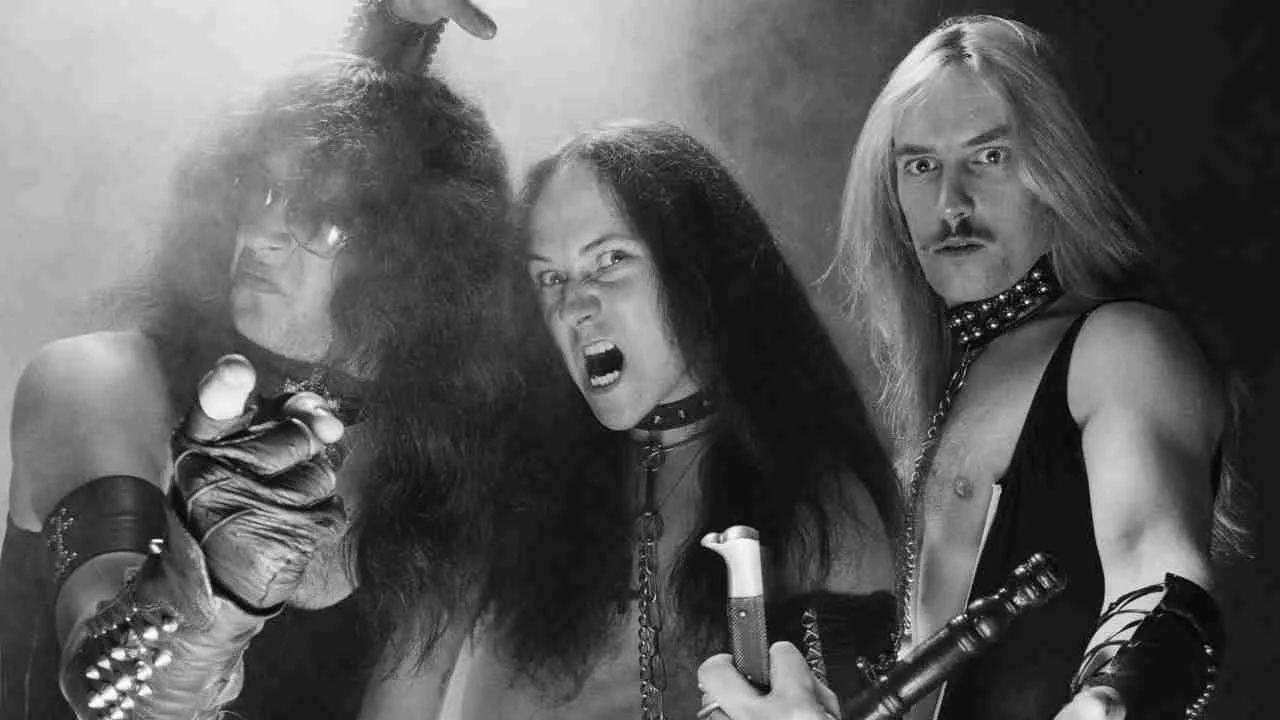
Some albums don’t just change the landscape of music; they ignite a wildfire that reshapes an entire genre. That is the undeniable power of Venom’s 1982 release, Black Metal. Even when mocked at the time, this record stands as one of the most influential documents in the history of thrash, death metal, and the burgeoning world of black metal itself.
The genesis of heavy metal might be imagined as a sudden, explosive event, but the reality of Black Sabbath’s emergence was far more protracted. It wasn’t a lightning strike; it was a slow, volatile process marked by arguments over brewing sessions and endless conversations about the perfect riff. Yet, the sheer intensity of that creation eventually laid the foundation for a sound that would challenge and redefine rock music.
To truly appreciate this foundational moment, one must look beyond the flash of fame and consider the environment from which it sprang. Venom formed in Newcastle in 1979, a city grappling with the harsh realities of industrial decline, high unemployment, and a profound sense of lost opportunity among its working-class inhabitants. This sense of frustration—that feeling of being unheard and unfulfilled—was a potent ingredient in the music.
For the early members, forming a band was a mission born from this environment. They weren’t chasing established templates like Iron Maiden; they were carving out their own identity. As one of the core figures, Cronos, remained candid about this journey: “We weren’t trying to be the next Iron Maiden or whatever else. We just wanted to do what we enjoyed. We were new. We were Venom.”
Their early practice sessions were anything but glamorous. The band’s first demos were recorded in humble settings, including a church, which led to some famously chaotic stories about ransacking places for makeshift recording spaces. This raw, unpolished approach was part of the philosophy. They were determined to capture the genuine noise of their experience, not a polished facade.
This commitment to authenticity intensified when they faced the pressures of the music industry. Initial recordings were viewed by their label as mere demos, leading to immense frustration when they struggled to secure the time and resources needed for a proper, high-quality release. It was this struggle—the fight to ensure their vision was heard—that ultimately forged the strength of Black Metal.
Cronos insisted that the final album was the true statement of their intent, a necessity born of that struggle: “Welcome To Hell were just demos. Black Metal is our first proper album, because we had to nail it.”
The resulting sound was a deliberate assault. The album opened not with a smooth groove, but with an immediate, visceral shock—a screeching sonic scream that felt like metal grinding directly into the listener. This abrasive quality, rooted in the industrial decay of their surroundings, perfectly captured the feeling of nihilism and raw energy.
This raw approach proved incredibly effective. It became the blueprint for many of the extreme metal subgenres that followed, establishing a legacy based on intensity and conviction. The influence of Venom extended far beyond the UK, inspiring acts globally, and establishing a tradition where raw, uncompromising noise speaks louder than technical perfection. The lasting impact of Black Metal lies in its ability to embody the visceral sound of genuine rebellion.
Buy on Amazon
Credit