How Satyricon created black metal’s answer to Back In Black
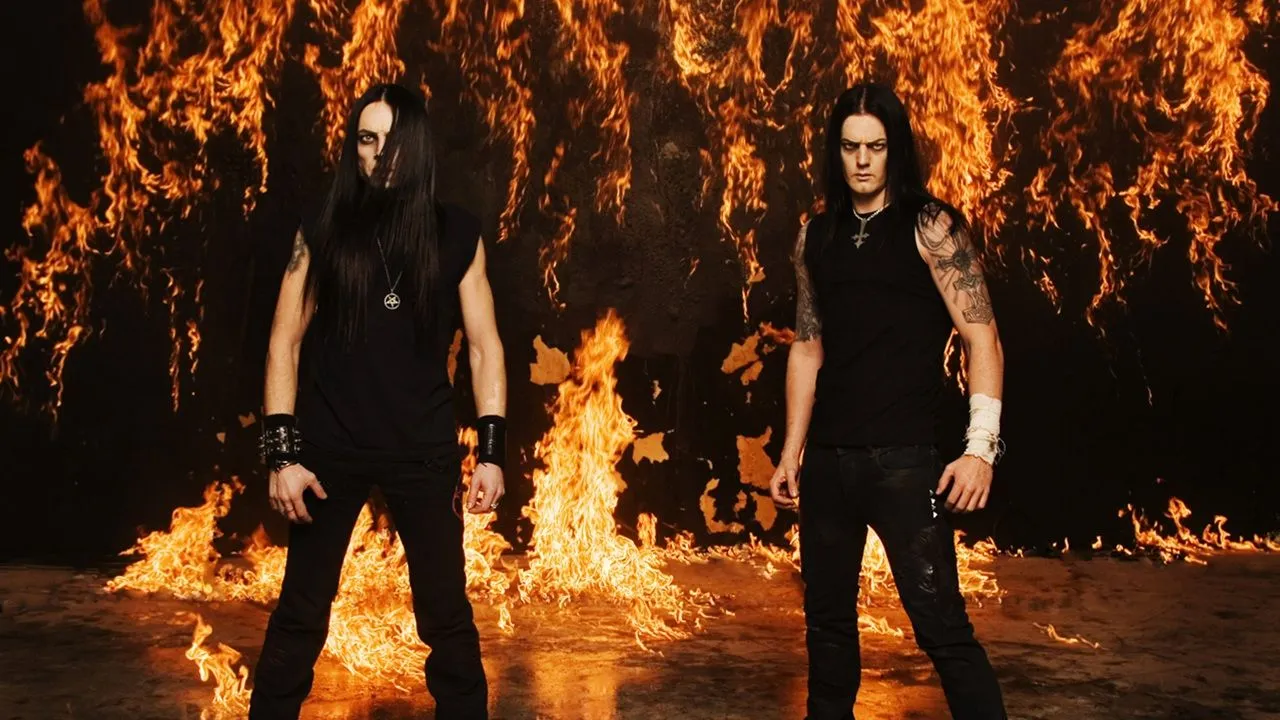
In 2011, the intersection of extreme music and high fashion became a surreal spectacle. At the Nordic World Ski Championships in Oslo, a massive gramophone sat center stage, bathed in neon light, while dancers in fluorescent wiring twisted amidst runway models clad in otherworldly garments. This bizarre fusion was brought to life by the venomous sound of black metal band Satyricon, delivering their hymn K.I.N.G.
Frontman Satyr recalled the moment as utterly bizarre, noting that the production was handled by NRK, Norway’s equivalent to the BBC, which meant they controlled the narrative. It highlighted a fascinating tension: how to blend deeply rooted Norwegian sporting culture with something uniquely their own, showcasing it to the wider world. This was an accidental collision of traditions and aesthetics.
To fully appreciate the sound of K.I.N.G., one has to look back at the band’s evolution. For much of their early existence, Satyricon was a chameleonic innovator in the Norwegian scene. Their early work, spanning from the medieval influences of Dark Medieval Times to the apocalyptic visions of Nemesis Divina, established a radical reputation within the metal world.
However, a significant shift occurred with the Pantera tour in 2000. For Satyr, this was a turning point. He felt that prior to that moment, black metal was often dismissed as something extreme, associated with violence and burning churches. The experience of appearing on a major tour, and seeing the media treat them as legitimate musicians rather than just chaotic figures, allowed them to seize control of their rebellious image.
Satyricon used this momentum to refine their sound. While peers like Cradle Of Filth and Dimmu Borgir embraced symphonic bombast and studio gloss, Satyricon opted for a dramatic stripping back. They focused on a rock-solid rhythmic backbone and dry production, reconnecting with the outlaw rock’n’roll roots from which black metal originated.
This pursuit of fundamentals led to a remarkable sonic shift. The band realized that powerful music doesn’t require added theatrics; it requires impeccable structure. The focus moved away from overly dominant keyboards toward riff-driven intensity. They drew inspiration from foundational rock anthems, understanding that the power of a signature riff—like those found in Iron Man or Let There Be Rock—can carry an entire song. This philosophy defined their work on Rebel Extravaganza.
K.I.N.G. stands as Satyricon’s ultimate exercise in this mastery of fundamentals. Frost provided an immutably disciplined backbeat, while the central riff acted as the song’s carrier, pounding with a greasy, AC/DC-like insistence. This was a rare example of genuine black metal floor-filler, malevolent yet instantly accessible. The track even benefited from the touch of longtime AC/DC engineer Mike Fraser in the mixing process, cementing its raw power.
Satyr’s vocals, delivered with a black metal growl but punchily enunciating the physical characteristics of this demonic monarch, provided the perfect contrast. It delivered an answer to the primal rock archetypes of Big Fish Little Fish and Cardboard Box.
The album carried a rich layer of esoteric influence. During the creation of the record, the band was deeply fascinated by secret societies, occult lodges, and the esoteric world. This fascination shaped both the lyrics and the visual design, reflecting the belief that real power transcends national or cultural barriers.
While the aesthetic of the K.I.N.G. music video, which depicted the band in a demonic, drug-fueled party, felt somewhat pretentious to Satyr, the visual was a vivid time capsule of a moment where extreme metal could rub shoulders with the mainstream. Despite aesthetic mismatches, this exposure was defining. It culminated in a monumental moment when the band performed on the main stage at the Download festival, sharing the platform with titans like Metallica. In that moment, Satyricon proved their stance: they weren’t just there to start the day; they were there to own the stage.
Buy on Amazon
Credit
