How Arjen Lucassen chose his Ayreon guests
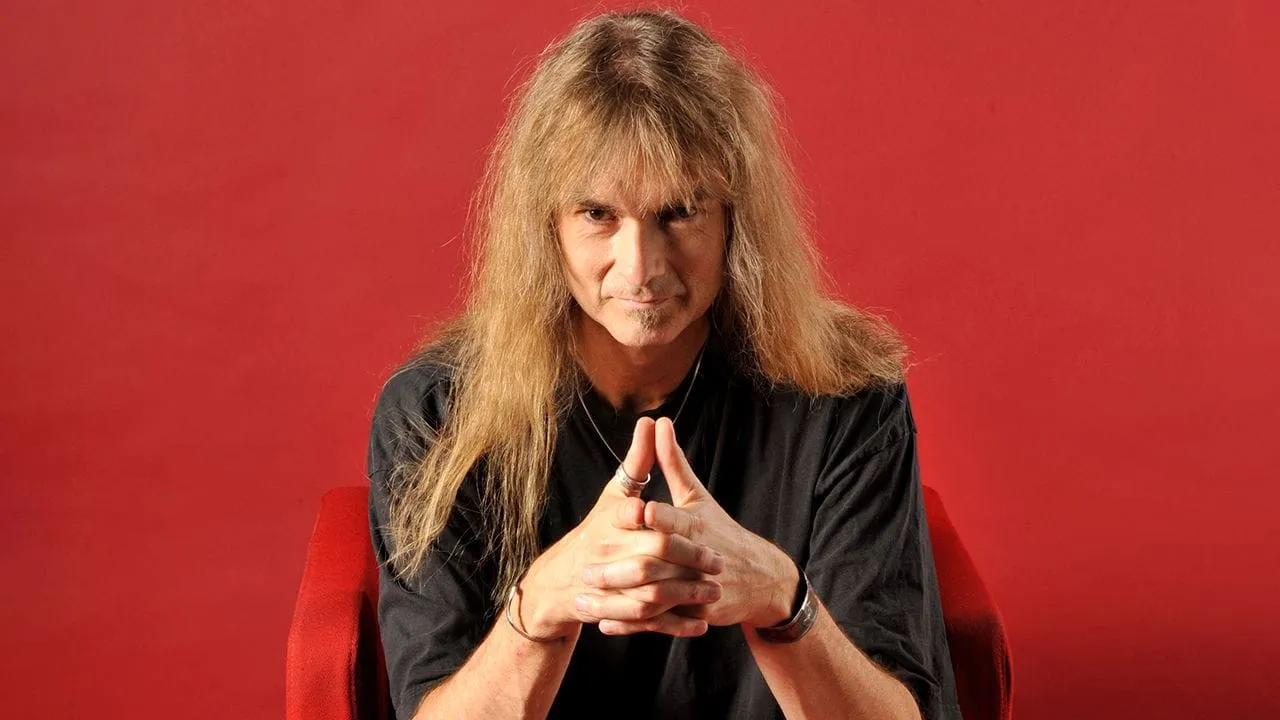
When you look at the landscape of progressive rock, some albums are simply milestones, and others are spectacular collisions of genius. Arjen Lucassen’s latest offering, The Theory Of Everything, firmly lands in that category, delivering a truly epic journey fueled by a constellation of legendary musicians and audacious soundscapes.
This project marks an evolution, building upon the massive success of his earlier, highly collaborative work. The album is a true showcase of Lucassen’s ability to assemble an incredible sonic tapestry, featuring a heart-stopping cast of talent—including the pillars of progressive rock like Rick Wakeman, Keith Emerson, and John Wetton, alongside innovators such as Steve Hackett, Jordan Rudess, and members of Dream Theater, Lacuna Coil, and Nightwish.
The sheer scale of the collaboration is staggering. Lucassen has amassed a roster of guests that reflect a deep appreciation for musical history, weaving intricate narratives across the tracks. It’s a testament to his vision that he managed to bring together this group to tell such a complex, mind-expanding story.
Behind the curtain, the process itself is as fascinating as the final product. Lucassen approaches songwriting with a unique, almost playful philosophy. When discussing his high-profile acquisitions, he describes the process as somewhat mystical, referring to the experience as Jedi mind tricks. He has sought out legendary figures like Emerson and Wakeman for years, demonstrating a relentless pursuit of musical synergy.
Yet, this pursuit is tempered by a desire for genuine artistic novelty. Lucassen insists that he doesn’t want to repeat himself. He actively seeks fresh voices, recognizing that the most impactful music comes from surprising new perspectives rather than simply fulfilling audience expectations. This philosophy guides his selection of artists, prioritizing talent and originality above mere celebrity status.
On this record, that ethos shines through with fresh contributions, allowing artists like Marco Hietala to deliver deeply emotional ballads and Cristina Scabbia to explore expansive musical styles, proving they can do far more than their established roles. It is a masterclass in harnessing established names to deliver entirely new emotional textures.
Lucassen’s sound on The Theory Of Everything is overtly progressive, characterized by multi-layered musicianship and brilliantly cinematic soundscapes. While the vocal performances belt out dramatic lines reminiscent of a West End stage, the instrumentation weaves together elements like Uilleann pipes and Irish bouzouki, creating an opulent sonic tale.
Perhaps the most intriguing aspect is the album’s thematic turn. Moving beyond the typical epic sci-fi realms of previous works, this time Lucassen explores themes closer to home. The narrative shifts from theoretical physics to the very nature of human emotion within a speculative setting—a realization that is both personal and deeply moving.
This new story touches upon a fascinating premise: a scientist discovering that his introverted son is actually a prodigy capable of solving the universe’s greatest mysteries, forcing him down a perilous path. The album uses this framework not just for spectacle, but to explore the complex, often paradoxical relationship between genius, emotion, and the unknown.
Despite the grand scale of the project, the creative environment remains intensely personal. Lucassen operates from a self-confessed, solitary studio, where he crafts his music with meticulous detail. This focused approach, coupled with his relationship with his collaborator Lori, allows for a level of deep, unfiltered expression that results in music that feels both incredibly grand and intimately human.
Buy on Amazon
Credit