Hope Sandoval joins Opal: Start something new
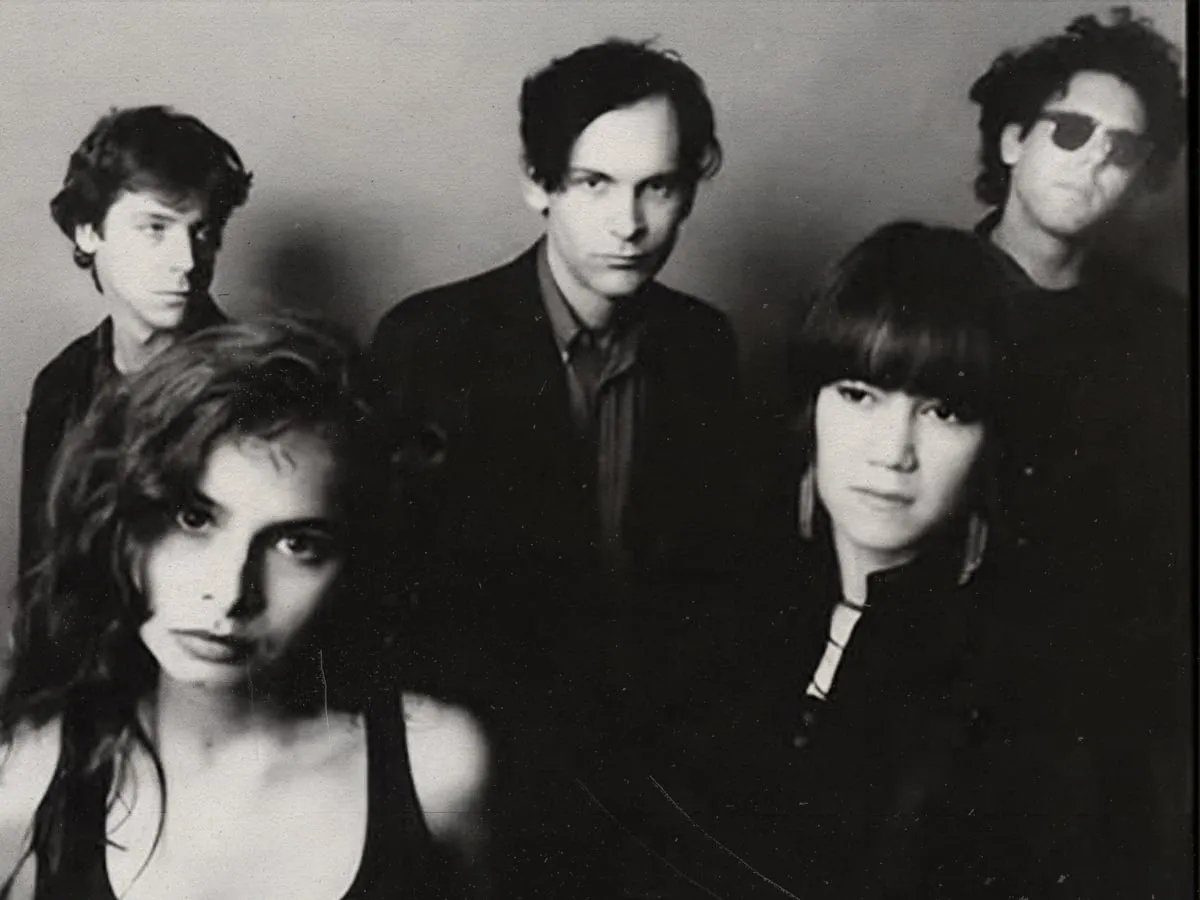
In 1983, the air in the Los Angeles Paisley Underground was thick with possibility. Amidst the constant exchange of demos, a pivotal moment occurred when a teenager named Sylvia Gomez pressed a tape into the hand of guitarist Mazzy Star’s David Roback. This simple act set the stage for a musical journey that would redefine one of the most enduring sounds of the decade.
The demo belonged to Going Home, a folk duo Gomez had formed with a friend, Hope Sandoval. When Roback put the tape on, he heard a voice—a half-asleep murmur that transcended mere music. Intrigued, Roback offered to produce their unreleased recordings, setting off a chain of events that pulled the music in a completely new direction.
For the next four years, Roback was deeply involved in his own projects, notably Opal, a duo he formed with bassist Kendra Smith. Their debut, Happy Nightmare Baby, emerged from the darker, atmospheric side of LA’s psychedelic revival, prioritizing mood over melody. While critically appreciated for creating an immersive atmosphere, some listeners found the tracks to be more of an “improvised, hallucinogenic noodling.”
The trajectory of Opal took a sudden, dramatic turn when Kendra Smith left the band. Although the circumstances of her departure remain unclear, her exit proved to be the most important catalyst for the music’s future. With Smith gone, a crucial void opened up, and Roback knew exactly whose voice was needed to fill it.
Hope Sandoval, then just twenty-two, stepped in, taking over vocals on the road. For two years, she anchored the band as they worked on a second album, Ghost Highway. However, the material was rooted in Roback and Smith’s existing dynamic, which did not suit Sandoval’s desire to “start something completely new.”
This creative friction led the duo to Hyde Street Studios in San Francisco. There, Roback and Sandoval crafted a fresh batch of songs, finally retiring the name Opal and ushering in a seismic shift.
What replaced Opal was the formation of Mazzy Star. The difference was not in genre or volume, but in emphasis. Where Opal was built on basslines, fuzz pedals, and guitar textures, Mazzy Star centered the sound around Sandoval’s wistful, haunting vocals. It became a more intimate, deeply atmospheric psychedelia that possessed a unique resonance and longevity.
This evolution led to immediate success. The first major hit, She Hangs Brightly, propelled the band forward, culminating in the platinum-selling album Fade into You in 1993. While Opal may now serve as an interesting footnote in the band’s sprawling success, it perfectly illustrates the creative fracture that allowed Mazzy Star to achieve its legendary status.
Buy on Amazon
Credit
