Herbie Hancock: Wayne is like Yoda
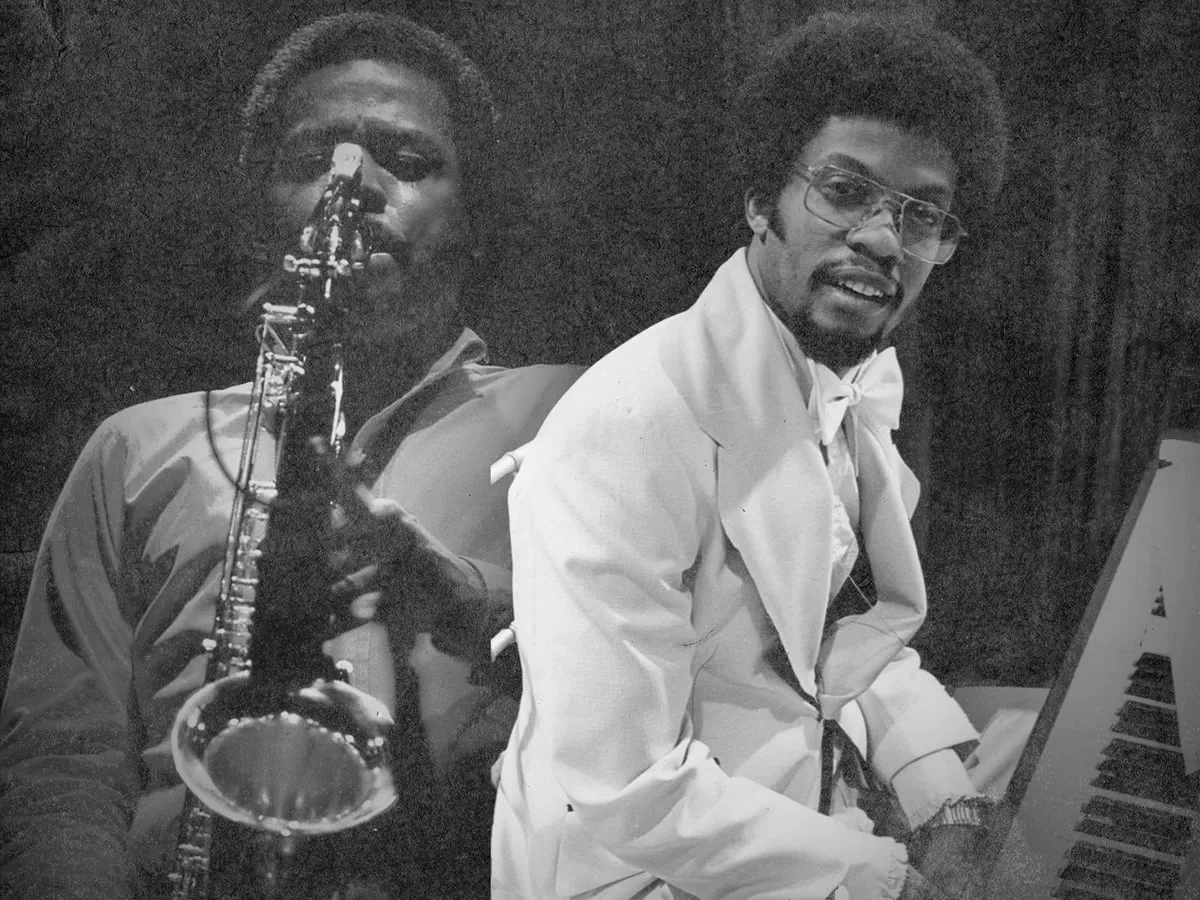
Some musicians spend a lifetime mastering their craft, but for Herbie Hancock, the journey is defined not by settling into a final form, but by an endless pursuit of new knowledge. Even as one of the greatest figures in jazz history, Hancock remains the student, perpetually doing his homework.
His passion for music wasn’t a recent development; it was woven into the fabric of his early life. Born to Winnie Belle and Wayman Edward Hancock, his musical education began early, with his first piano lessons at age seven. This foundation was later supplemented by formal education, as he graduated from Grinnell College in Iowa in 1960 with degrees in both electrical engineering and music—a pairing that perfectly reflected his innate desire to explore the intersection of mathematics and melody.
When Hancock arrived in Chicago, he dove headfirst into the vibrant music scene. He quickly found kinship with Donald Byrd’s band, which led him to New York. It was during a recording session with Byrd that he encountered Wayne Shorter, a saxophonist whose influence would become indelible throughout Hancock’s career.
The musical mentorship Hancock received was rich and challenging. Miles Davis, a towering figure in jazz, was the first mentor. Their collaboration was marked by a unique, interactive dynamic. Hancock recalled a moment when he made a spectacularly wrong chord during a solo on ‘So What’, only for Davis to pause and play the exact notes that corrected the mistake. Davis didn’t correct the error, he transformed it into an event, teaching Hancock that slip-ups were not failures but new inventions.
While Davis was a formidable teacher, it was Wayne Shorter who offered a different kind of guidance. Hancock spoke glowingly of the deep, immediate connection he shared with his friend. Shorter, living just a short distance away, taught Hancock new musical tricks daily, mirroring a shared perspective on the world and the essence of jazz.
This relationship evolved into a profound, almost telepathic understanding. Hancock often described Shorter as being like Yoda, a brilliant mind whose insights demanded attention. He admitted that while he might not always agree with every assessment Shorter made, the sheer brilliance of Shorter’s perspective commanded respect and trust. Hancock wasn’t just flattering a friend; he was acknowledging a peer whose mind he trusted because it offered a path beyond mere reflection.
Ultimately, the lessons learned from his quartet—from the spontaneous freedom demonstrated by Davis to the endless potential revealed by Shorter—helped Hancock discover his own scope. He learned that life, much like music, is not about finding limitations, but about finding infinity. Through these powerful relationships, Hancock discovered that the greatest discoveries are found in the continuous pursuit of musical and intellectual infinity.
Buy on Amazon
Credit
