Harmony Row Jack Bruce pure progressive rock
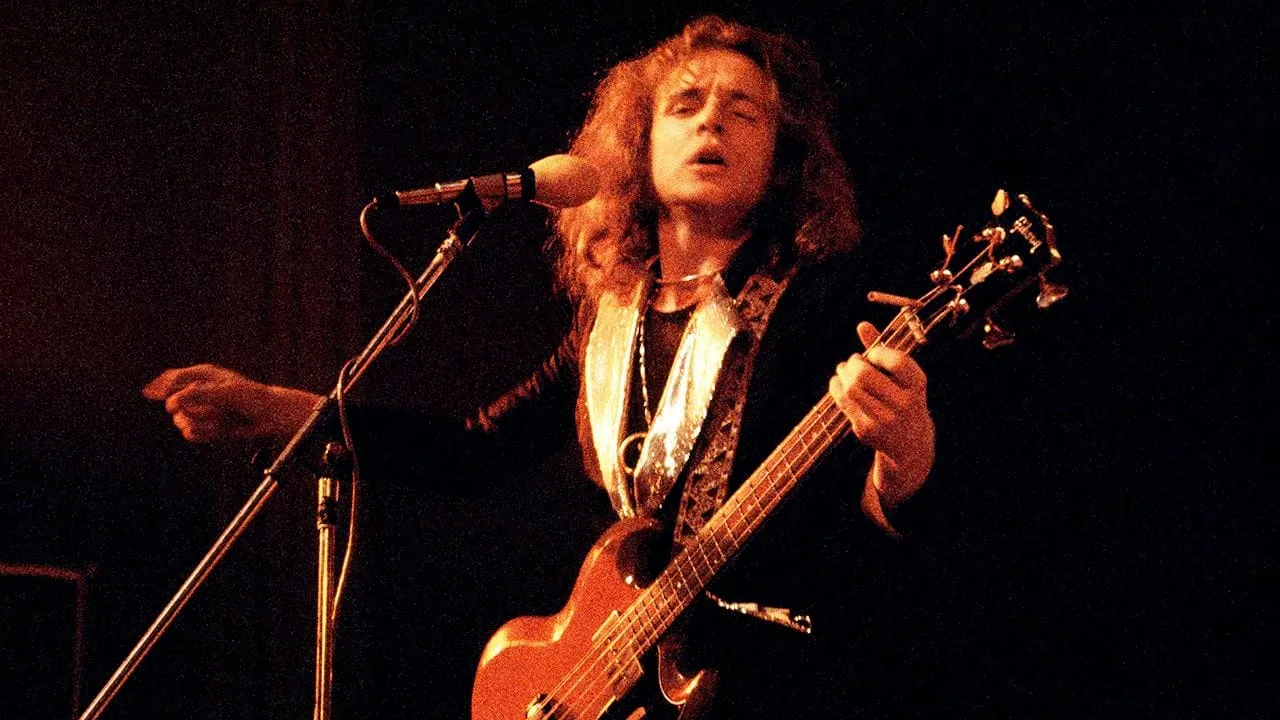
In 2014, a deep dive into the career of bassist Jack Bruce revealed a fascinating artistic pivot, centered around his third solo album, 1971’s Harmony Row. This record wasn’t just a collection of songs; it was a journey—a meticulously crafted concept album that dramatically pulled Bruce away from the familiar blues-rock landscape he was famous for.
Bruce described the creation process as almost spontaneous. Sitting at his Blüthner piano, the songs appeared almost fully formed one inspirational afternoon, tumbling out in a sequence that felt cohesive and intentional. This shift signaled a move toward greater complexity, exploring sounds far beyond the traditional boundaries of his blues heritage.
While his earlier work, like Songs For A Tailor, had absorbed material from Cream, Harmony Row wiped the slate clean. It introduced a sophisticated musical language, weaving jazz-rock undertows and employing unorthodox chords that leaned more toward classical avant-garde composers like Olivier Messiaen than the blues-based rock he was known for.
To realize this ambitious vision, Bruce sought collaborators who could flesh out the poetic vignettes he was composing. He teamed up with guitarists like Chris Spedding and drummers such as John Marshall, drawing on the energy of British jazz-rock pioneers to shape the album’s unique texture.
The album’s themes were equally rich. The title itself referenced a tenement block in Bruce’s native Glasgow, referencing themes of drifters, grinding poverty, yearning love, and the dramatic possibility of rebirth—all bathed in the shifting light of sunset.
Harmony Row possesses a cinematic quality, utilizing stark contrasts that shift between reflective preludes and wide-open vistas. The music shifts abruptly, moving from close-up contemplation to fast-paced energy, utilizing quick-fire time signatures and layers of processed guitar glistening with spectral reverb.
The experimentation extended to vocal arrangements on tracks like Folk Song, where Bruce layered his voice into an ethereal choir. This stunning texture was achieved through the innovative vision of engineer Andy Johns, who famously coined the term The Jackettes for the vocal effect.
This willingness to challenge expectations highlights Bruce’s deep interest in musical experimentation and his contrarian disposition. It demonstrates a sensitive, sophisticated composer who mastered the art of knowing precisely when to hold back and when to deliver a powerful, honest statement.
For Bruce, the album remains a source of immense pride. He reflected that while his earlier solo efforts served as musical diaries of his evolving state, Harmony Row stands powerfully as a testament to his ability to innovate and find profound beauty in the unexpected corners of music.
Buy on Amazon
Credit
