Halloween without Myers becomes a horror anthology
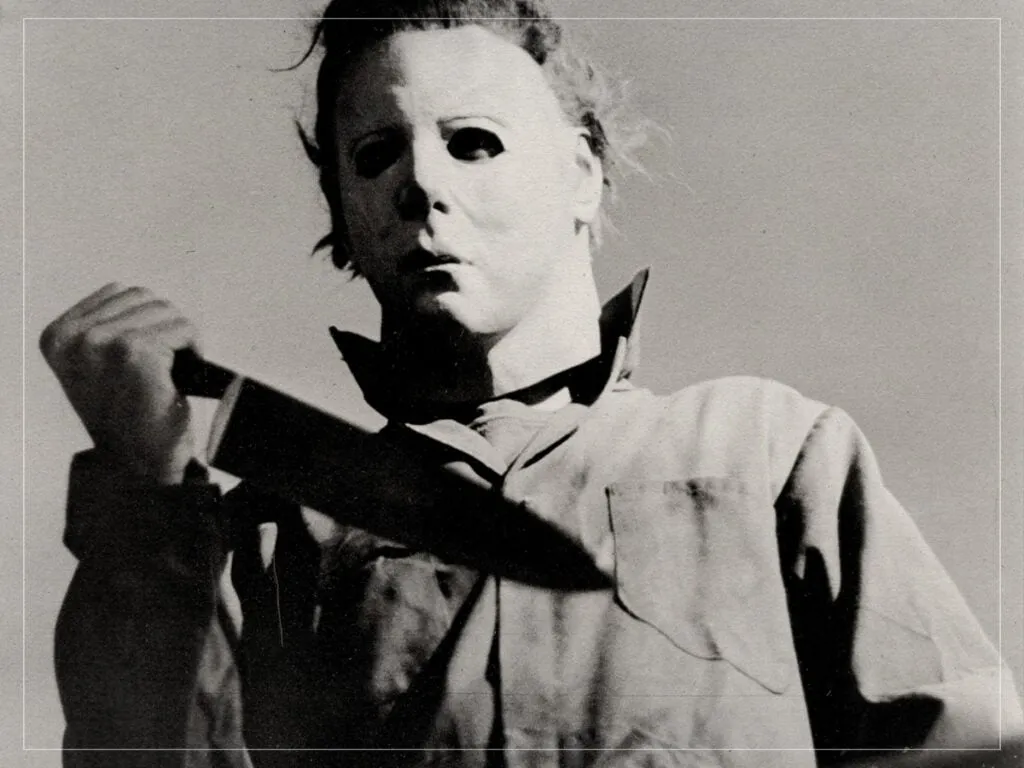
In 1978, John Carpenter delivered more than just a film; he redefined the landscape of modern horror with his atmospheric masterpiece, Halloween. It was a moment that fundamentally altered how audiences viewed fear, laying the groundwork for a genre that would define cinematic suspense for decades to come.
At the heart of the film is the relentless figure of Michael Myers, a killer whose stalking became the blueprint for the entire subgenre of the slasher movie. Carpenter masterfully demonstrated that true fright often stems not from overt gore or cheap jump scares, but from the intense anticipation and psychological tension woven into the narrative.
Carpenter’s vision for the franchise went deeper than just creating killer monsters. He sought to use horror as a mirror, focusing on the darker aspects of the human condition rather than simply delivering shock value. In an interview, he explained that his goal was to create a movie that genuinely scared the audience by updating old haunted house techniques and playing with expectations.
He intended the series to evolve, perhaps setting the stage for an anthology format, much like The Twilight Zone. Carpenter sought a framework that allowed for endless storytelling, moving beyond the spotlight of Michael Myers to explore various narratives centered around the concept of Halloween.
However, the journey of the sequels and remakes often proved more complicated than the original intention. While attempts were made to breathe new life into the iconic vision, many followed paths that felt like half-baked versions of a solid concept, failing to capture the original film’s unique blend of charm and magic.
The franchise faced the difficult task of balancing nostalgia with innovation. As the narrative continued through installments like Halloween II, which introduced significant twists, the focus shifted, yet the inherent spark that made the first film so potent began to fade.
Ultimately, the enduring power of the Halloween story lies in its initial premise. Despite the subsequent attempts to reinvention and reinvention, the moment the credits roll on Carpenter’s 1978 classic, the true magic of that foundational fear remains undiminished.
Buy on Amazon
Credit