Gilmour’s Attack on Waters and Regret
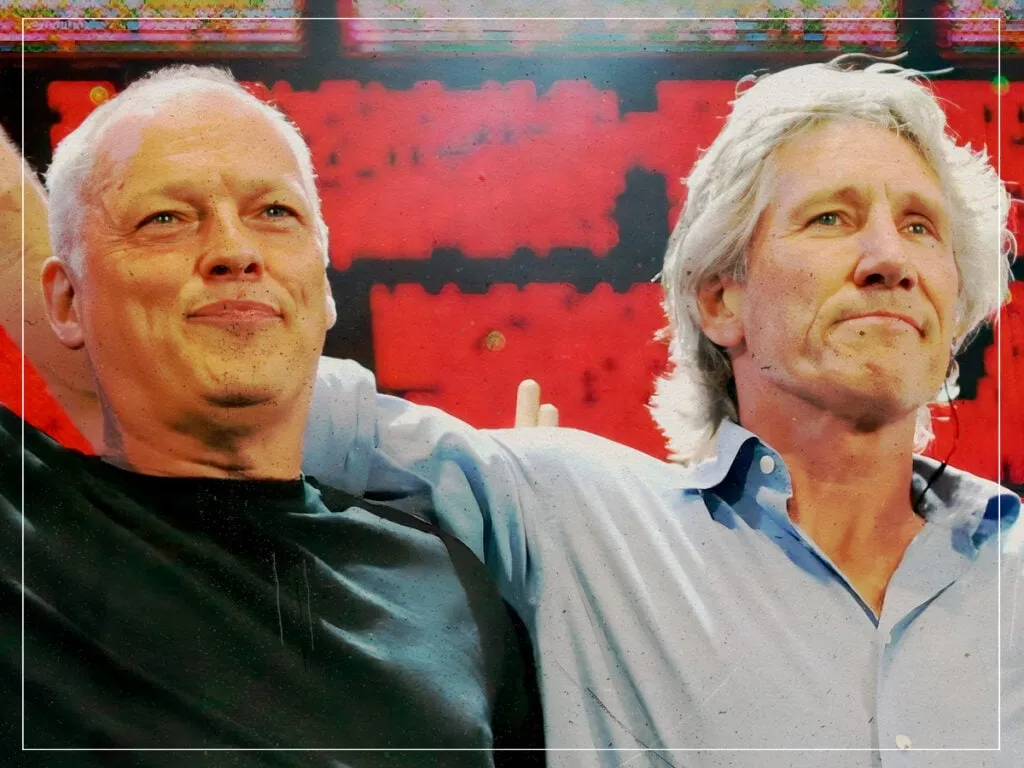
The legacy of Pink Floyd, a monumental achievement in rock history, is often viewed through the lens of its internal turmoil. From the very beginning, the band was defined less by harmonious sound and more by simmering arguments, musical disagreements, and intense ego battles.
These conflicts didn’t just simmer; they actively stifled the band’s potential. The most tragic casualty was the creative spark of Syd Barrett, whose departure, prompted by these tensions, profoundly limited the band’s later output. Decades later, the friction between the remaining members, particularly David Gilmour and Roger Waters, remains palpable.
At the heart of the rift lay a fundamental disagreement: a perceived lack of respect between Gilmour and Waters regarding songwriting. This tension reached a critical point during the creation of the 1983 album The Final Cut. In a move that proved deeply divisive, Waters flat-out refused to allow Gilmour to contribute tracks to the final mix, a decision that contributed to the record’s disappointing commercial performance.
Despite the bitterness, the creative tension seeped into Gilmour’s own work. When he pursued his solo album About Face in 1984, the strain between him and Waters was at its peak. Yet, Gilmour channeled these complex feelings into his music, demonstrating his ability to thrive outside the confines of the group. He co-produced the album with Bob Ezrin and assembled a stellar team, bringing in talent like drummer Jeff Porcaro and bassist Pino Palladino.
Gilmour’s creative independence allowed him to explore themes that reflected his complicated relationship. While he often directed his frustration toward Waters, the lyrics of his solo work subtly reflected the shared emotional landscape of the band. The track ‘You Know I’m Right’, for instance, captured the agonizing uncertainty of the relationship, questioning where the fault lay and advocating for understanding.
Even when the band faced external challenges, the core bond remained. The 2005 reunion for Live 8 demonstrated that the familiar synergy of Gilmour, Waters, Richard Wright, and Nick Mason still worked, delivering an unforgettable performance that reminded fans of the foundation they had endured.
Despite the enduring tension, the friction never truly dissipated. Years later, the animosity resurfaced, exemplified by Waters’ public criticism of Pink Floyd’s anti-war efforts in 2022, which Gilmour viewed as another instance of Waters attempting to diminish the band’s humanity.
Buy on Amazon
Credit
