Gilmour dismisses Pink Floyd’s Donkey Kong album as dross
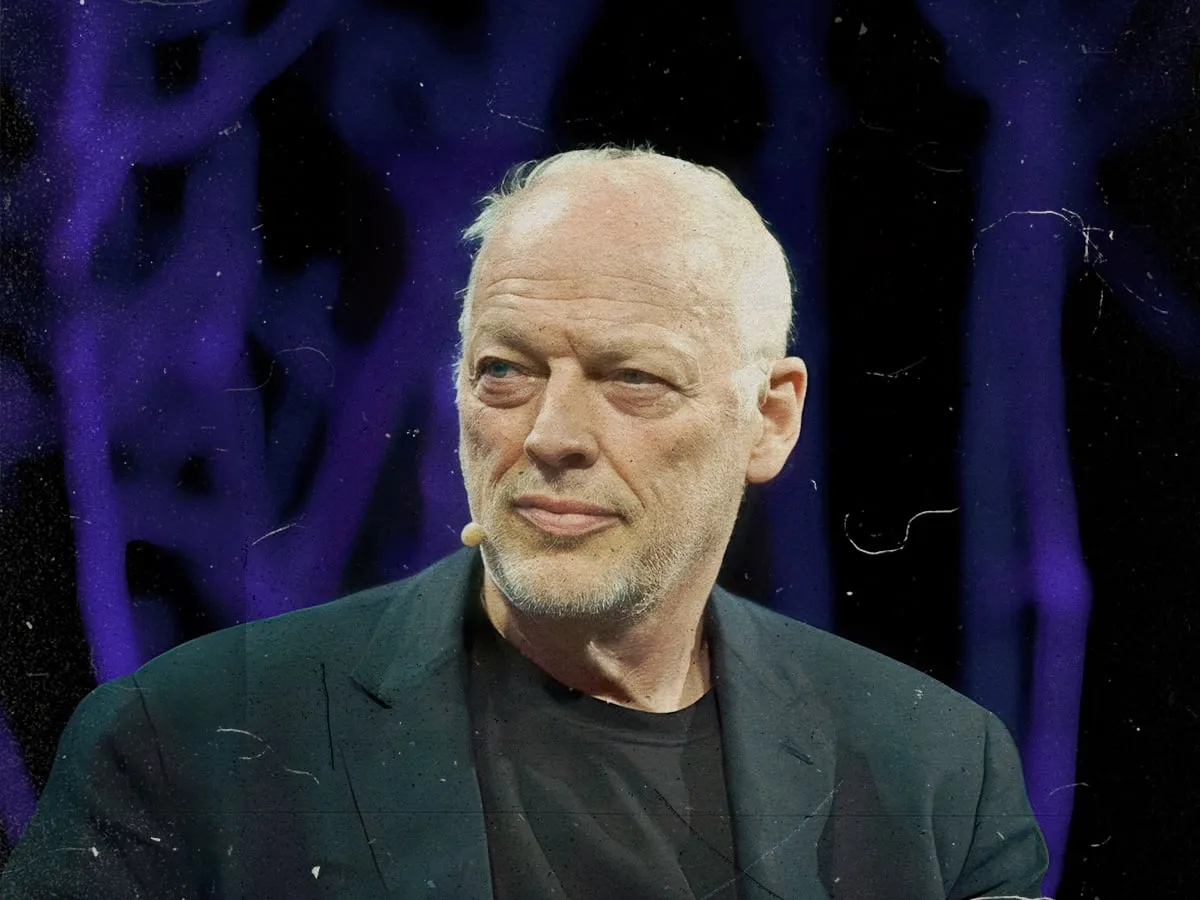
The creation of some of music’s most enduring masterpieces often involves more than just talent; it involves navigating a minefield of ego, ambition, and creative friction. For Pink Floyd, the journey to achieving legendary status on albums like The Wall and Dark Side of the Moon was marked by incredible artistic output, but behind the fanfare lay an immense internal struggle.
As the band reached the zenith of their fame, the collaborative process itself became increasingly unsustainable. The friction between members grew almost unbearable, signaling that something fundamental needed to shift. The once-tight musical marriage, particularly between Roger Waters and David Gilmour, was nearing its end, and the 1980s would ultimately serve as the backdrop for a spectacular, yet painful, dissolution.
The end of an era is often signposted by the dramatic changes within the group. Despite having delivered world-changing records, the band found themselves facing the stark reality that they were nearing the end of their fabled run in each other’s arms.
This tension became most visible during the making of The Final Cut. As Waters began to assert greater creative control, the dynamic shifted dramatically. Waters took the lead, essentially steering the ship in a direction that caused considerable frustration for his collaborator, Gilmour. While working together previously allowed for a certain freedom, this period saw Waters dismiss advice and pursue a more solo creative path.
The resulting creative split led to a significant divergence in perspective. While Waters was content with the final product, he often pointed the dissatisfaction toward Gilmour for making the experience unenjoyable. In a reflective interview, Waters recalled the tension, noting that the process was difficult, especially when dealing with conflicting visions.
This dynamic was further highlighted by the differing views on the final album. Gilmour, for instance, famously found himself dissatisfied with the outcome of the collaboration, expressing a strong opinion that the record was filled with “dross.” This feeling of artistic misalignment was profound, suggesting that even monumental achievements could be tainted by personal conflict.
The bitterness of this creative separation is captured in the retrospective view of the record. While The Final Cut remains a landmark, its reception among some members reflected the internal chaos that surrounded its creation. Ultimately, the story of Pink Floyd’s later years is a powerful testament to the fact that even the most celebrated creative partnerships can fracture under the weight of personal ambition and evolving creative directions.
Buy on Amazon
Credit