Gaspar Noé’s shocking casting choice
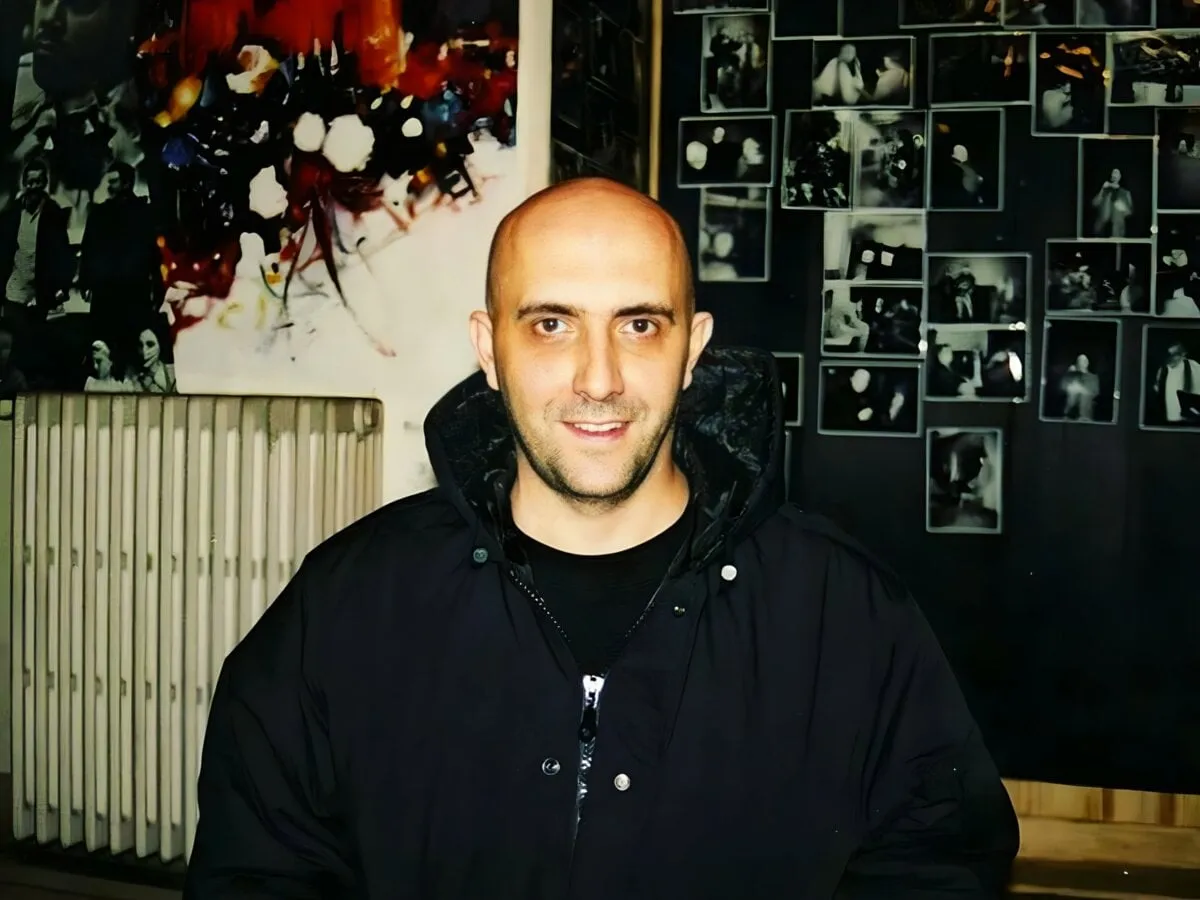
When filmmaker Gaspar Noé steps behind the camera, he doesn’t just make films; he invades the conversation. Rather than flirting with controversy, he exists squarely within it, using his visual language to push the boundaries of what cinema deems acceptable.
From his debut feature, I Stand Alone, Noé immediately established a reputation for unflinching boldness. It tackled deeply taboo subjects, such as incestuous abuse, displaying a raw courage that few directors would dare to attempt, setting a tone for the provocative vision that would define his career.
Noé masterfully employs his signature aesthetic—painfully long takes, reversed sequences, and split-screen compositions—not merely as style, but as an active storytelling mechanism. His visual choices constantly converse with the intense themes he explores, whether dealing with brutal violence or the complex nature of aging.
This willingness to shock extended to his critically divisive work, such as Irreversible. The film’s infamous ten-minute rape scene continues to divide audiences twenty-five years later, underscoring Noé’s commitment to challenging viewers with visceral, unforgettable experiences.
Following the impact of Irreversible, Noé took a seven-year hiatus before returning in 2009 with another formally unconventional masterpiece: Enter the Void. This psychedelic journey follows a drug dealer who experiences life from an out-of-body perspective, a concept that only Noé could conjure, requiring the camera to often float above the action and film the events from behind the protagonist’s head.
To realize this radically unique vision, Noé made a profound choice about casting. He sought an actor who possessed no desire to act, ensuring that the performance was purely observational rather than self-indulgent. He cast Nathaniel Brown, a choice that ultimately became one of the few acting credits in Noé’s filmography.
When discussing this unconventional choice, Noé revealed his intent: he wanted someone free from the narcissistic drive that often fuels the industry. He needed a charismatic presence, not a star, and this pursuit led him to a unique collaboration that saw Brown transition from acting into directing music videos and later, working closely with figures like Kanye West. The result was a cinematic experience where the focus remained firmly on the revolutionary vision, rather than the performer.
Buy on Amazon
Credit
