Gary Oldman calls this the masterful 90s British gem
The cultural footprint of the British Isles stretches far beyond the geography, radiating from its musical heritage into the realm of cinema. This powerful creative energy has continually opened doors for global talent, shaping stories and defining performances that resonate across continents.
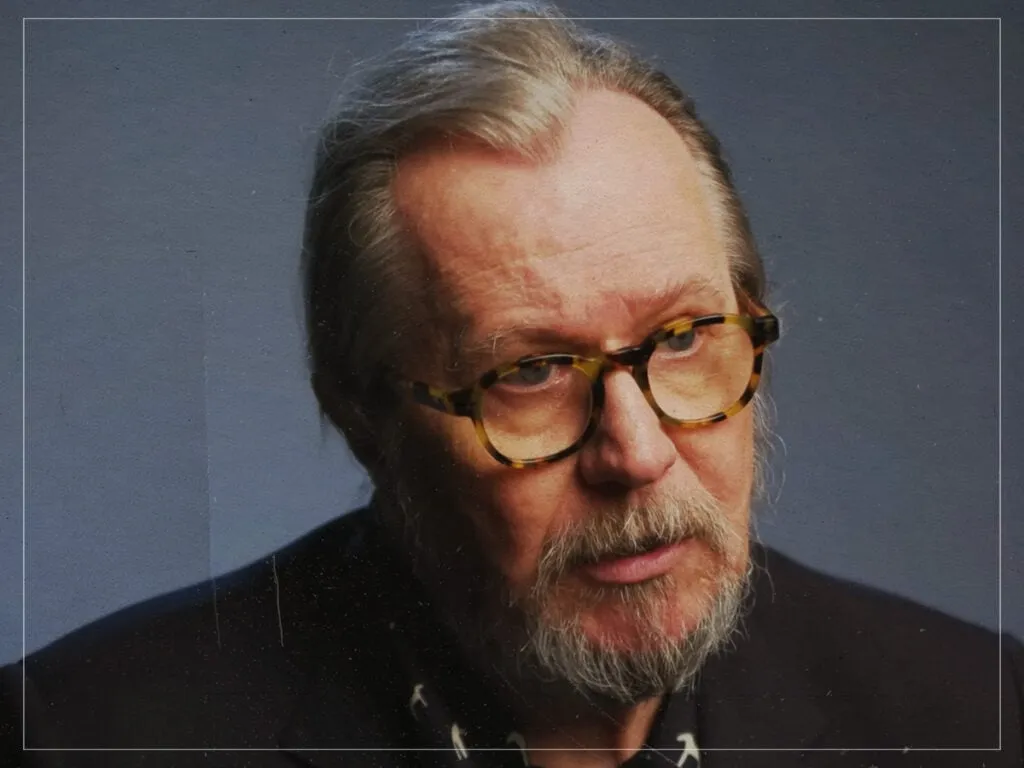
At the heart of this cinematic legacy is an actor who embodies transformative versatility: Gary Oldman. With an uncanny ability to shift his physical appearance and psychological mannerisms to inhabit any character, Oldman has established himself as one of the greatest figures in British cinema. He has shared the screen with an astonishing cast of industry giants, including Daniel Day-Lewis, Tilda Swinton, Anthony Hopkins, Michael Caine, and Olivia Colman, cementing his status as a true cinematic icon.
From his television debut in Meantime, Oldman quickly established himself as a favourite of some of cinema’s most impressive filmmakers. He has graced iconic works spanning from Stephen Frears’ Prick Up Your Ears and Oliver Stone’s JFK to Francis Ford Coppola’s 1992 Dracula. This journey provided the powerful backing needed to transition from a rising talent to a bona fide movie star, marking a career punctuated by increasingly significant achievements.
Oldman’s trajectory into mainstream acclaim was gradual, culminating in highly celebrated roles. His first Academy Award nomination arrived for his performance in the spy thriller Tinker Tailor Soldier Spy in 2012, and six years later, he won the Oscar for his powerful turn as Winston Churchill in the biopic Darkest Hour in 2018. It is a remarkable arc—from esteemed supporting player to national figurehead, culminating in the role of the country’s greatest-ever Prime Minister.
When asked about his favourite cinematic contribution from his home country, Oldman pointed not to a sprawling epic, but to a smaller, intensely focused piece of filmmaking: Lynne Ramsay’s Ratcatcher. He declared it a masterful piece of filmmaking, a choice that reveals a deep appreciation for the nuances of storytelling.
The story of Ratcatcher is a haunting exploration of childhood and hidden sorrow. It follows a young boy navigating the squalid streets of 1973 Glasgow, grappling with guilt and the weight of a family’s struggle for survival. Ramsay masterfully weaves the public crisis of the neighbourhood’s decay with the intensely private, unexpressed wounds of her protagonist. The film captures that exquisitely painful human experience of feeling something profound but lacking the language to articulate it.
Oldman’s taste extends beyond Ramsay’s modern sensibilities. He also reveres classics like Terrence Malick’s Badlands, appreciating its raw, interior storytelling. He savors the nuanced relationship presented through Sissy Spacek’s character in Badlands, finding the delicacy of the narrative exquisite—a masterclass in telling multiple stories simultaneously.
Ultimately, Gary Oldman’s cinematic choices underscore a deep appreciation for storytelling that is both deeply personal and universally resonant, proving that the greatest films often reside in the quiet moments of human experience.
Buy on Amazon
Credit