Freddie Mercury wished his singing was effortless
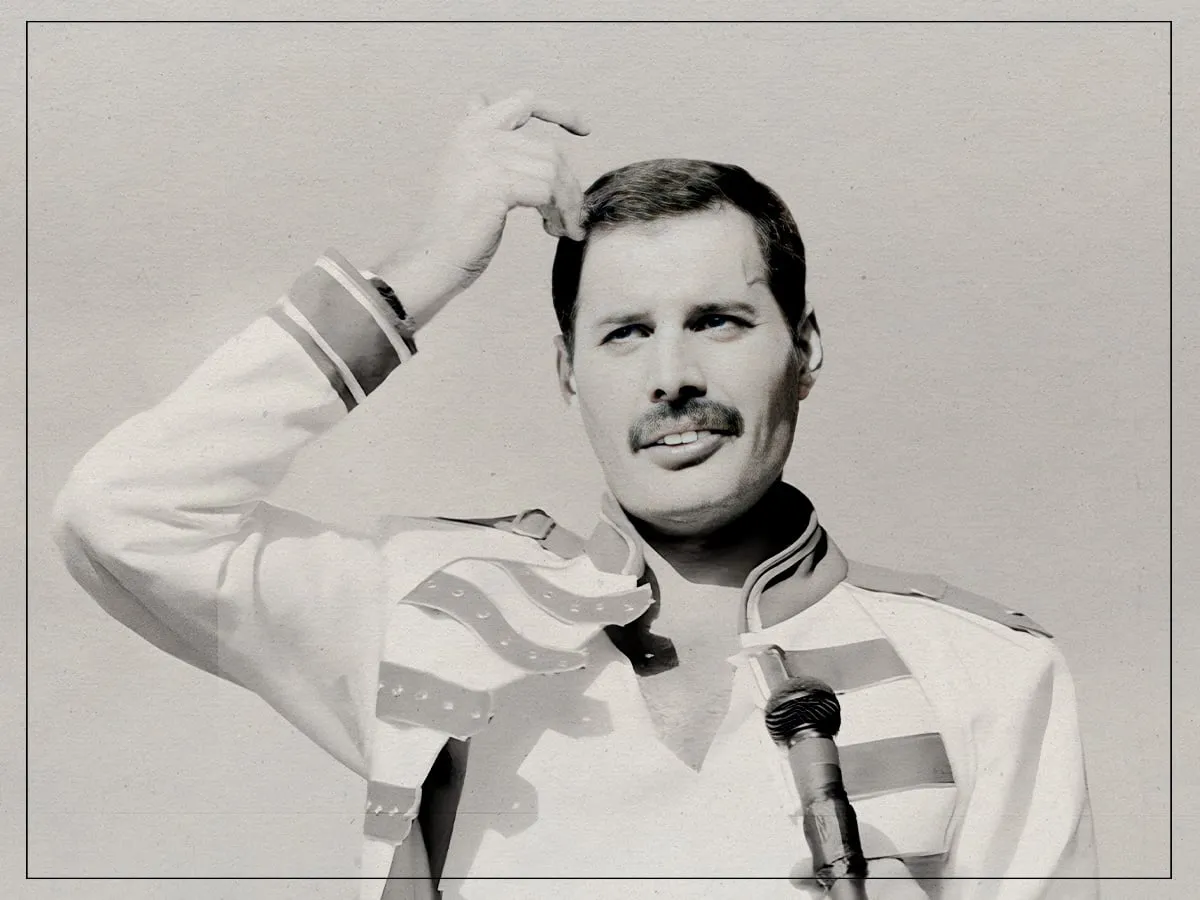
When you look at the legendary vocal prowess of Freddie Mercury, it’s impossible not to marvel at the sheer force of his talent. Yet, even for a titan of music, there are moments where he admits to struggling with the simple act of singing—a subtle admission that adds a wonderfully human layer to the myth.
Compared to the sheer, unbridled power of others, Mercury possessed a gift that allowed him to hold audiences captive effortlessly. He navigated the complexities of opera and stadium rock with equal dexterity, turning every performance into a masterclass. But when considering the titans of vocalists, one comparison always surfaces: the electrifying force of Aretha Franklin.
The contrast between the two is fascinating. Franklin’s voice possessed a raw, visceral power that seemed to bypass mere technique; when she delivered a song like “You Make Me Feel Like a Natural Woman”, it felt less like singing and more like an elemental declaration. It was a force that demanded attention.
Mercury, while undeniably brilliant, operated in a different realm. He utilized his voice across a breathtaking spectrum, from guttural lows to stratospheric high notes, mastering a range that redefined pop and rock. He wasn’t just singing; he was constructing sonic worlds, effortlessly shifting between the emotional textures of a pop ballad like “You’re My Best Friend” and the explosive aggression of “Fat Bottomed Girls”.
This versatility was the hallmark of a true musical genius. Mercury proved that the voice was not bound by genre; it was an instrument capable of being molded to fit the narrative of the song. He wasn’t just hitting notes; he was orchestrating an emotional conversation.
The magic of Queen’s sound lay not just in Mercury’s solo voice, but in his ability to layer and layer the sound. Brian May recalled that Mercury arrived with vocal parts already intricately worked out, allowing the band to create the feeling of a massive gospel choir. This arrangement gave the music depth, turning moments like “Somebody to Love” into a profound, multi-layered experience, where a chorus of voices surrounded him, making his presence even more compelling.
Despite his unparalleled ability to shape sound, Mercury openly admitted his deep admiration for Franklin’s effortless phrasing. He expressed a wistful desire for that ease, wishing he could sing with that natural grace: “Aretha Franklin’s phrasing is just wonderful. I wish I could sing like her. It’s just so effortless. She just sings like a dream; she doesn’t really have to think about it…I can tell just by listening to her records that she goes in there, and it’s just effortless.”
Ultimately, while Franklin may have set a benchmark for raw vocal power, Mercury’s genius lay in his ability to channel his music into anything he desired. He demonstrated that true vocal mastery is not about matching a single standard, but about the infinite freedom to take your voice wherever the song needs to go.
Buy on Amazon
Credit