Fogerty wrote his life story in a song
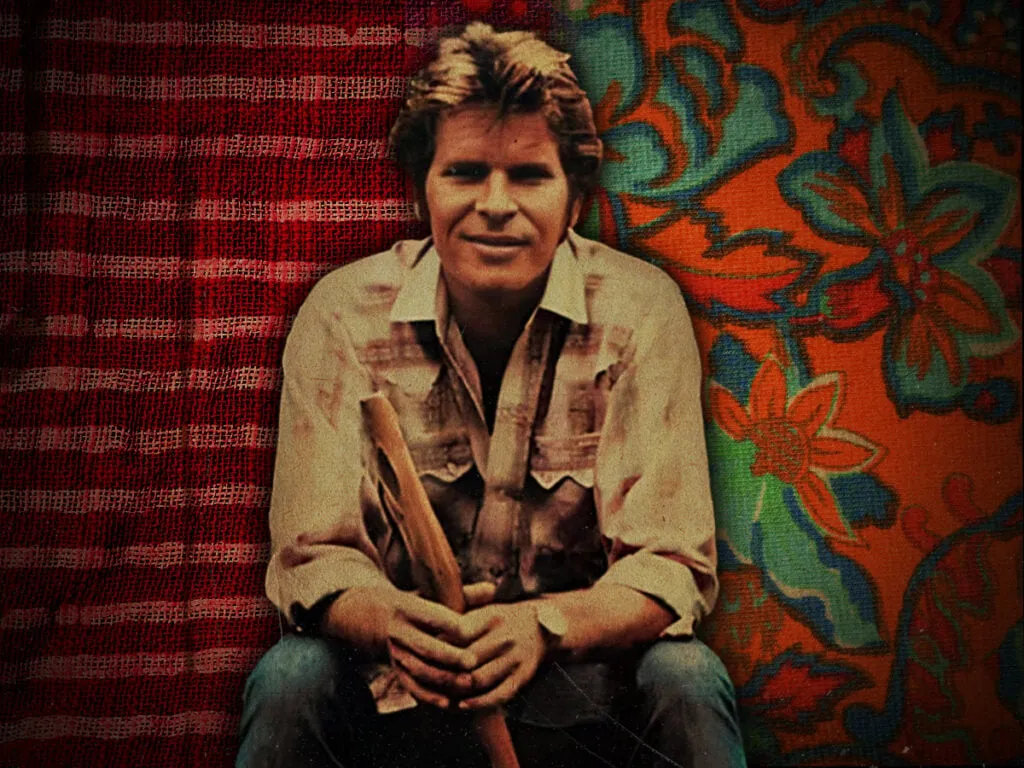
When you listen to the iconic voice of John Fogerty, you often find yourself lost in a world of unforgettable melodies. Yet, few songs manage to capture that feeling of simultaneous comfort and challenge. Fogerty’s music, much like the classic track “Have You Ever Seen the Rain,” lands with the gentle force of a warm bath, offering profound reflections wrapped in catchy hooks.
This particular song, which arrived in 1971, operates on a fascinating level. It’s not just a catchy tune; it’s a perfect barometer for the shifting mood of the decade. While Creedence Clearwater Revival was achieving massive success, seemingly poised to inherit the mantle of the Fab Four, the cultural landscape was undergoing a dramatic transformation. The bright optimism of the Summer of Love was giving way to the heavier reality of the Winter of Discontent.
Fogerty captured this tension perfectly. The lyric itself—the metaphor of seeing rain fall on a clear, sunny day—became a poignant reflection of the era. It spoke to a broader yearning for calm amidst chaos, a soothing counterpoint to the turbulent times unfolding around them. It was a call to pause and find balance when the world felt increasingly unpredictable.
Interestingly, this piece of music mirrored Fogerty’s own journey. The song was born from the experience of personal change and introspection. As the years passed and life presented its challenges, the song evolved from a simple observation about the weather into a deeply personal anthem. It became more than just a retrospective look at the 1970s; it became a living reflection of his own lived experience.
In the years following, as legal battles played out and personal life shifted, the song found its true resonance. It was no longer just about the external weather; it became about internal peace. Fogerty eventually saw the song not as a record of a sad past, but as a powerful reminder that one can choose to refuse sadness and embrace a new outlook. It mirrored the cycle of life, much like the seasons themselves.
This transformation was perhaps cemented by the arrival of his daughter, Kelsy. She represented the sunshine that returned, the warmth that followed the storm. Fogerty began to view the song as a reflection of this beautiful cycle, recognizing it as a mantra for life’s ongoing journey. It became a way to honor the complexity of existence, embracing both the shadow and the light.
Years later, when Fogerty shared his perspective, he admitted that the song became his defining anthem. It was a beautiful realization that his musical creation had become an extension of his personal philosophy—a reminder that even when the skies are cloudy, there is always a rainbow waiting to be seen.
Credit