Five unreal Fontaines DC collaborations
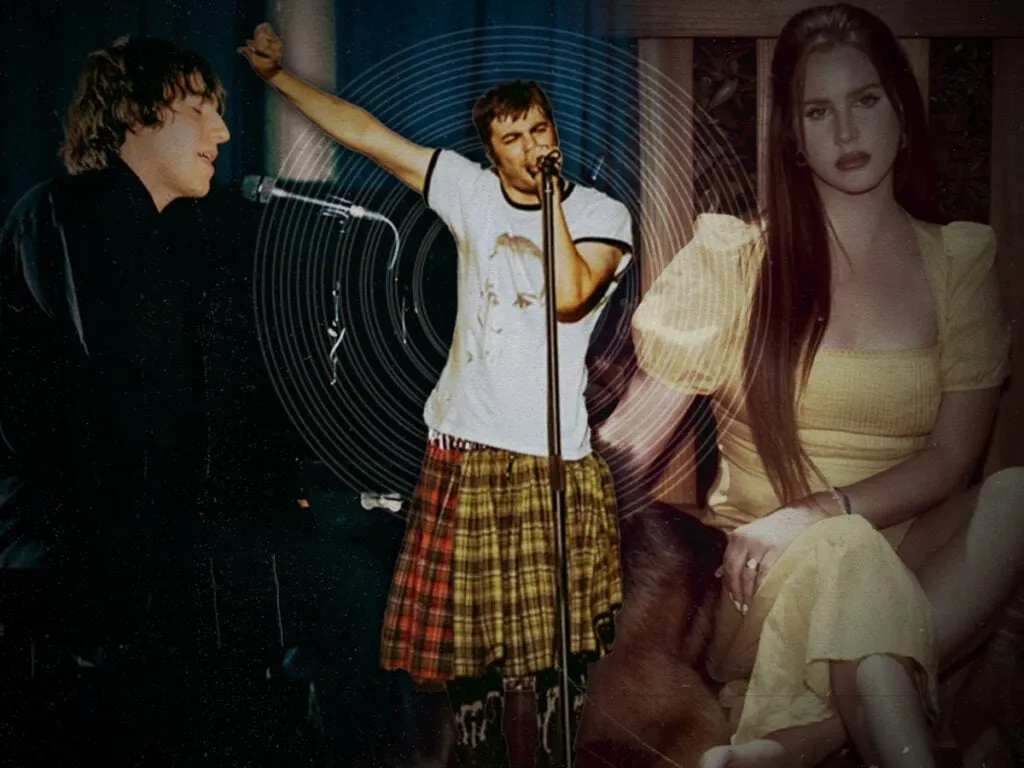
Most music fans indulge in the delightful fantasy of a dream collaboration list, imagining who they would invite into the studio with their favorite artists. It’s the role of an ambitious band manager, speculating on which sounds might merge to create something truly unique.
This thought process has been particularly vivid for me when considering the sonic landscape of Fontaines DC. As their music has evolved into something deeply cinematic and atmospheric, I found myself compiling a list of artists who inhabit a similar, beautifully melancholic musical world, artists who might offer a brief, intriguing stopover into that space.
The journey began with Grian Chatten’s own musings, particularly his admiration for Lana Del Rey. Chatten once expressed a desire to write songs with her, citing the cinematic quality and the potent storytelling woven into her songwriting. This connection is not just a casual note; it suggests a potential resonance. When Fontaines’ sound ventures into territory reminiscent of Del Rey’s aesthetic, the possibility of a collaboration feels less like a pipe dream and more like an inevitable artistic pursuit.
The pull towards cinematic sound is further evidenced by the group’s journey. If their work on tracks like In the Modern World feels like it could comfortably exist within Del Rey’s catalogue, then that potential collaboration moves from improbable to intriguing.
Beyond the cinematic romance, the group’s fascination with alternative rock titans suggests other potent pairings. Consider the dynamic between Fontaines DC and The Strokes. When young musicians absorb the energy of bands that pulled them out of obscurity, it’s natural that the influence of The Strokes—with their wiry, distinctive guitar melodies—would resonate with Fontaines’ increasingly experimental approach. The interplay between Casablancas’ distinctive vocals and Chatten’s imposing delivery promises a potent collision of angular rock and atmospheric grit.
A deeper, perhaps more nostalgic connection exists with The Cure. Chatten has shared that his earliest musical memories were shaped by the aesthetic of The Cure, a memory triggered by a formative experience spent dancing to their music. This shared appreciation for beauty in melancholy suggests a collaboration that could tap into a profound sense of longing and nostalgia. Imagine the emotional depth that could emerge from blending Fontaines’ sound with Smith’s masterful sense of atmosphere.
Further complicating the list is the undeniable bond between Chatten and Sam Fender. As friends who share an interest in deep storytelling—whether about ordinary people or the environments that shape their lives—their creative synergy feels less like a forced pairing and more like a natural alignment. While their musical styles diverge, their shared capacity for narrative depth suggests a collaborative spirit rooted in mutual understanding.
Finally, to capture the future trajectory of alternative music, I look to Cameron Winter, the frontman of Geese. Winter possesses an astonishing range, moving from a near-whisper to a desperate howl, and his songwriting operates according to rules only he seems to fully understand. Pairing this unpredictable, boundary-pushing voice with Chatten’s own willingness to embrace the strange and uncomfortable could yield something utterly fascinating—a truly messy, brilliant, and unforgettable musical outcome.
These potential collaborations aren’t just about merging sounds; they are about exploring the fertile, often uncomfortable space where melancholy, cinematic scope, and raw rock energy intersect. They represent the chance to see what happens when artistic ambition meets shared vision.
Buy on Amazon
Credit