Eddie Murphy’s Motown dream and sudden vanishing
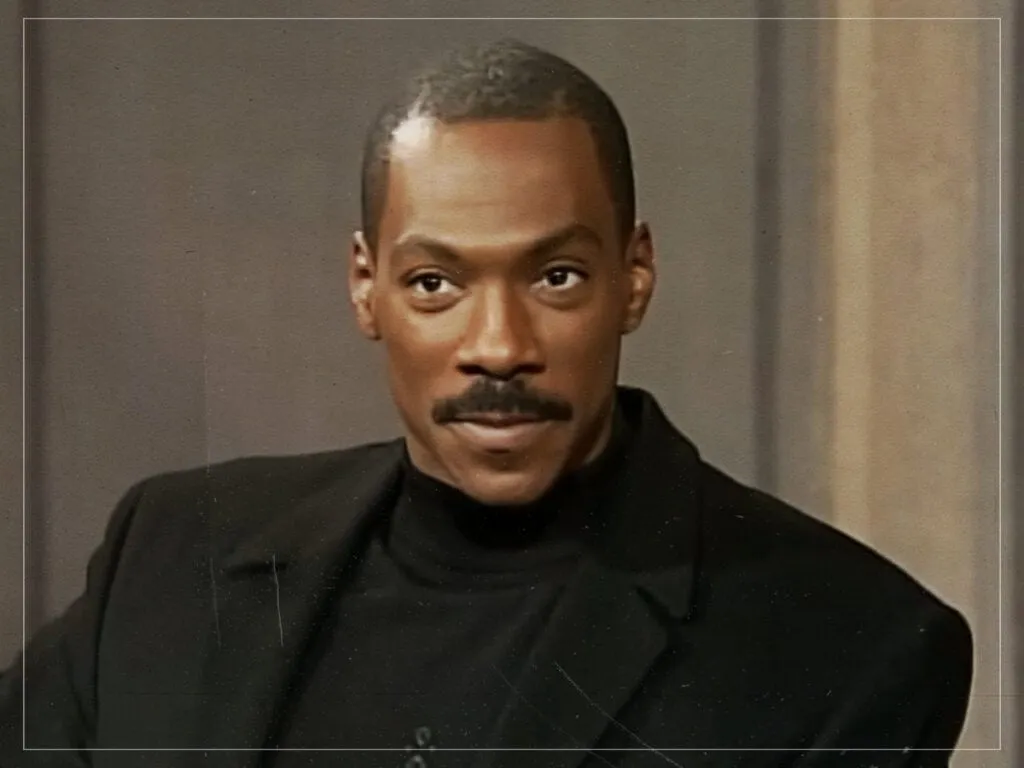
By the mid-1980s, Eddie Murphy had firmly established himself as a cinematic powerhouse, a true movie star whose face was synonymous with blockbuster hits. But for Murphy, the desire for fame didn’t stop at the silver screen; he looked for another arena to conquer: music.
Fueled by a lifelong passion for singing and a healthy dose of ego, Murphy decided to take the plunge into the music industry. This ambition was partly driven by a high-stakes bet—a $100,000 gamble made with Ricard Pryor—that paved the way for his debut album, How Could It Be. Despite selling over half a million copies in the United States, the album failed to leave a lasting footprint on the charts.
His musical journey continued, with a sophomore effort, So Happy, which managed to reach number 70 on the charts. While these early attempts offered brief glimpses of a musical talent, the path to stardom proved anything but easy.
When the opportunity arose to become a Motown artist—a brand steeped in cultural cachet and iconography—Murphy couldn’t resist. The allure of association with such a legendary label was too strong to ignore, even if the results were uncertain.
In 1992, Murphy made the move, signing with Motown. The subsequent release, Love’s Alright, offered a chance for a major comeback. It featured a standout track, Whatzupwitu, which received significant exposure thanks to Michael Jackson’s involvement. However, this release proved to be a significant disappointment, receiving mixed reviews and failing to resonate with paying customers.
The association with Motown proved to be short-lived. Critics were divided, and the commercial performance was lackluster. Murphy ultimately walked away, attributing his departure to poor marketing rather than the quality of the music itself. He felt that the promotional machine failed to support the talent, a sentiment that underscored the gap between artistic aspiration and commercial reality.
It was the culmination of a long-held dream that ultimately dissolved with one disappointing release, illustrating the often-tricky balance between artistic vision and the brutal demands of the music business.
Buy on Amazon
Credit
