Ebert hated this 1975 John Wayne movie
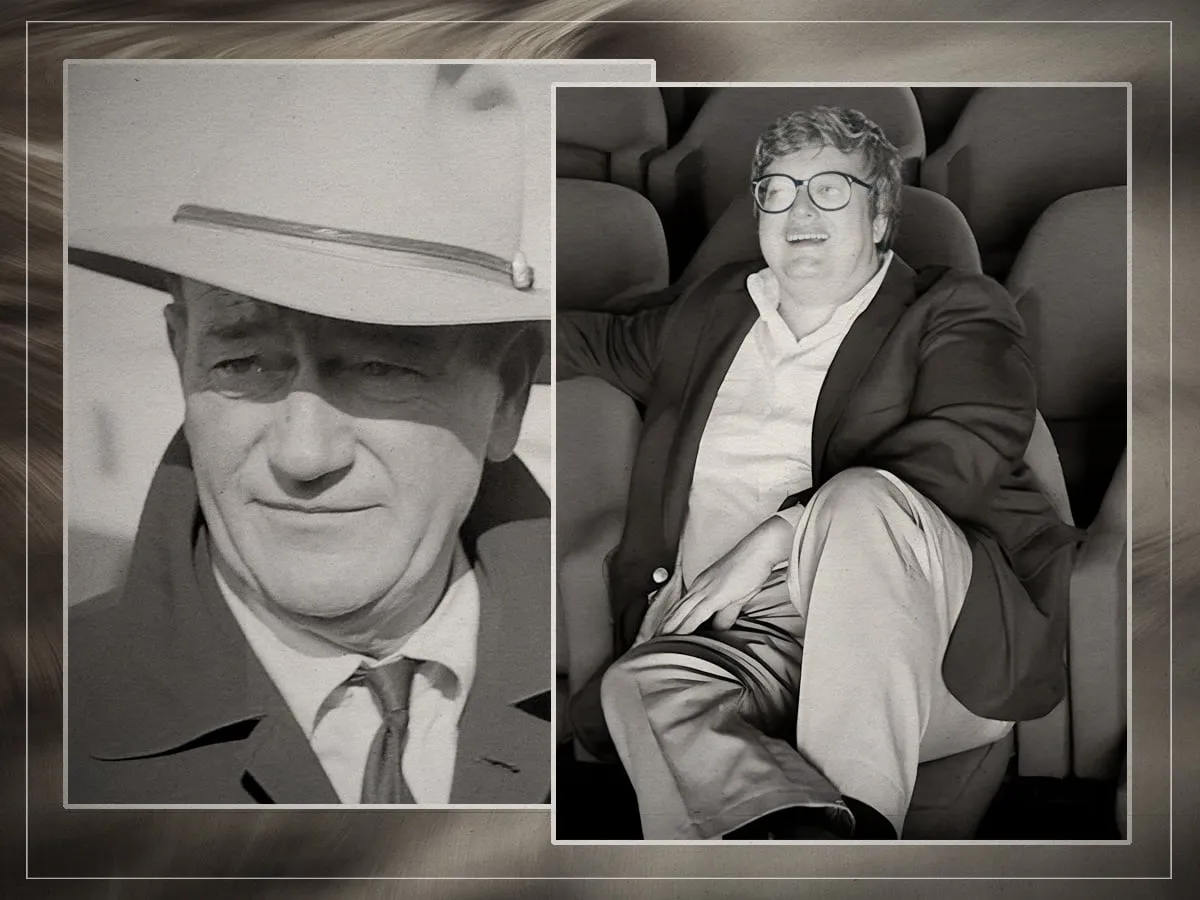
Even the biggest stars don’t always deliver the best movies. This is a sentiment held by many, but for film critic Roger Ebert, the dynamic between Hollywood titans John Wayne and Katharine Hepburn often brought a uniquely complex set of opinions.
Ebert enjoyed the classics, awarding the full four stars to masterpieces like Red River, Stagecoach, and The Searchers. When John Wayne was at his peak in the ‘Golden Age’ Western, Ebert reveled in watching the swagger of the genre. However, he drew a clear line when aging stars began leaning on past glories.
This critical sensibility was evident even in his less favorite choices. For instance, he openly despised The Green Berets, finding the film an exercise in jingoism and patriotic propaganda that rang false to him.
True Grit, which earned Wayne an Academy Award for his role as Rooster Cogburn, was another film that garnered Ebert a four-star rating. While the movie itself didn’t promise franchise potential, the buzz surrounding the sequel—especially with Katharine Hepburn joining the cast—was undeniable.
The pairing of Wayne and Hepburn, however, carried a familiar dynamic. Hepburn had previously enjoyed a successful adventure opposite Humphrey Bogart in The African Queen, where her strong convictions contrasted sharply with Bogart’s rough demeanor. This history of conflicting but ultimately affectionate personalities created an appealing formula when the two legends were placed side by side.
When Wayne and Hepburn teamed up, the attraction was obvious: two stubborn personalities determined to straighten the other out. Yet, this shared energy also invited an awkward comparison. Audiences weren’t just witnessing a new partnership; they were reminded of a previous, equally successful dynamic, making every bickering moment feel laden with history.
In the case of Rooster Cogburn, the star power was enough to draw an audience, making the film a box office success. But Ebert’s critical assessment was far less forgiving. He found the sequel to be overly self-aware and deeply disappointing.
Ebert argued that the film allowed the leads to simply “conspire in a ripoff of some of their finest moments.” He felt the dialogue was so consciously arch, filled with subtle reminders of the actors’ past achievements, that the story itself became irrelevant. In his review, he summed up the feeling of the audience perfectly: “We just get depressed.”
Ultimately, Ebert felt that such monumental talent should not be used merely as a vehicle for nostalgia. He concluded that when two icons finally joined forces, the result felt like a misdirection, stating simply that “talent shouldn’t be thrown around like this.”
Buy on Amazon
Credit